A wood fence typically lasts 15–25 years, though your results depend on three critical factors: wood type, maintenance, and climate.
Cedar fences reach 20–30 years with proper care, while pressure-treated pine averages 15–20 years.
The real lifespan killer? Moisture. Ground contact, poor drainage, and wet climates accelerate rot.
Sealing every 2–4 years and installing posts correctly—with concrete footings 2–3 feet deep—extends longevity.
Understanding what shortens your fence’s life reveals how to maximize it.
Average Wood Fence Lifespan: 15–25 Years (But It Depends)
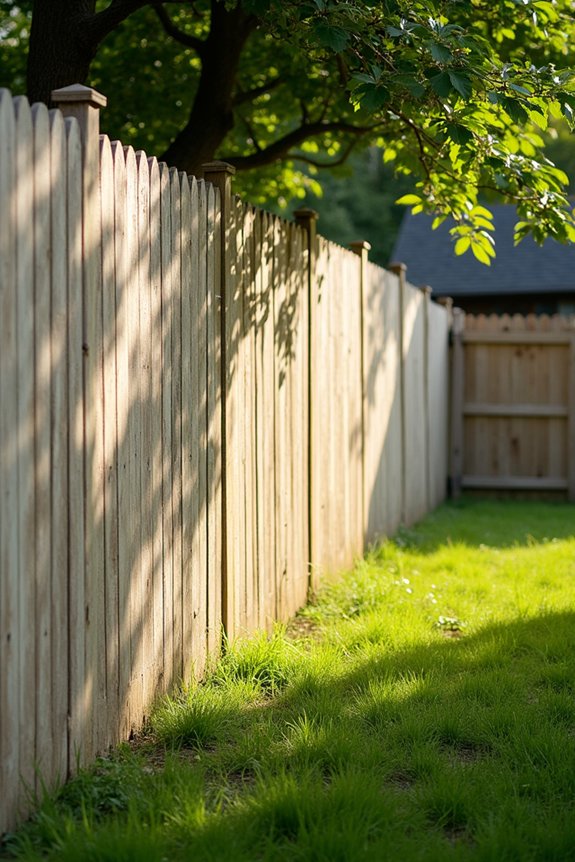
How long will your wood fence actually stand? Most wood fences last 15 to 25 years, though your results depend on several factors working together.
Your wood type matters considerably. Cedar fences typically reach 20–30 years with proper care, while pressure-treated pine averages 15–20 years. Climate plays an equally important role—harsh weather accelerates wood deterioration faster than mild conditions.
Here’s what really extends your wood fence lifespan: maintenance. Sealing or staining every 2–4 years protects wood from moisture and UV damage. Installation quality counts too; poor drainage around posts invites rot.
Think of maintenance as an investment in longevity. You’re not just preserving a fence—you’re protecting your property’s appearance and boundary for decades. The effort you invest today directly determines whether your fence performs well or fails prematurely.
What Kills a Wood Fence: Moisture, Pests, and Poor Installation
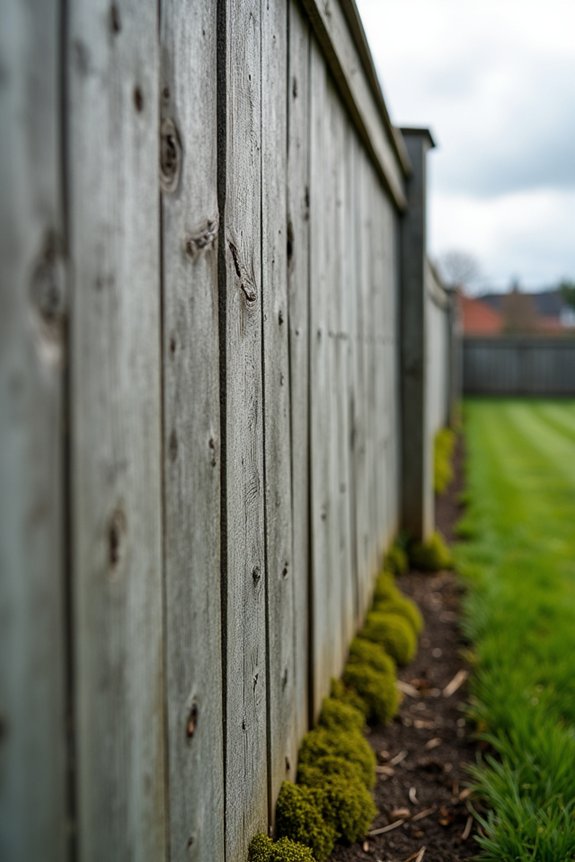
Why do some wood fences crumble after a decade while others stand strong for 25 years? The difference comes down to three critical factors: moisture, pests, and installation quality.
Moisture is your fence’s worst enemy. Ground contact panels and pickets lose up to three years of life, while posts sitting in wet soil accelerate rot. Keep wood elevated and ensure proper drainage around your fence line.
Ground contact drains your fence’s lifespan. Elevate wood and ensure proper drainage to prevent rot and moisture damage.
Pests like carpenter ants and termites exploit unsealed wood, shortening your fence’s lifespan. Inadequate installation—shallow post depths and failure to separate wood from soil—compounds these problems.
Regular maintenance matters. Seal or stain every 2–4 years, catch repairs early, and protect posts properly. These steps shield your investment from UV damage and weather exposure, helping your fence reach its full potential lifespan.
Cedar Fences Last 20–30 Years With Proper Care
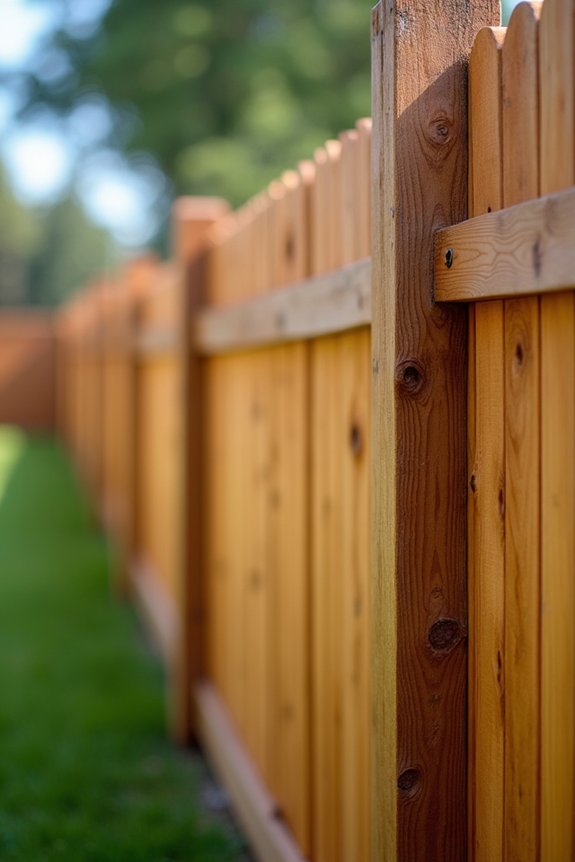
If you’re considering cedar for your next fence project, you’re looking at one of the better softwood options available—one that can reach 20–30 years with the right care. What makes cedar fence lifespan impressive is its natural resistance to rot and insects compared to other softwoods.
Here’s what you’ll need to do: seal or stain your cedar fence every 2–4 years to protect against moisture and UV damage. Your climate matters—if you live in a wet region with heavy rainfall and humidity, maintenance becomes even more critical.
Installation depth also matters. Set posts deep in the ground, establish good drainage, and keep the fence off the soil. These steps form your foundation for success, helping your cedar investment last decades.
Pressure-Treated Pine: 15–20 Years of Reliable Service
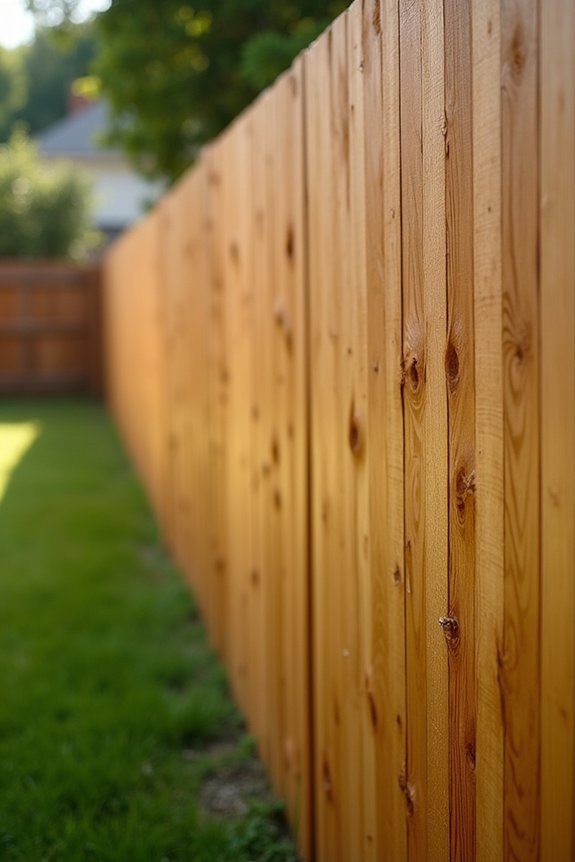
When you want a fence that balances affordability with decent durability, pressure-treated pine delivers solid performance for 15–20 years. The chemical treatment gives this wood impressive decay resistance, protecting against insects and rot better than untreated alternatives.
Your installation quality matters tremendously. Setting posts deep in concrete and ensuring proper drainage reduces ground moisture exposure—a key factor in extending your fence’s lifespan. In harsh climates with high humidity, you’ll likely see results closer to 15 years.
Maintenance keeps your investment strong. Seal or stain your pressure-treated wood every 2 to 4 years to shield it from UV damage and cracking. This routine protects your fence and maximizes its service life. With proper installation and consistent upkeep, you’ll enjoy reliable performance throughout the years.
Redwood and Cypress: The 25–30+ Year Option
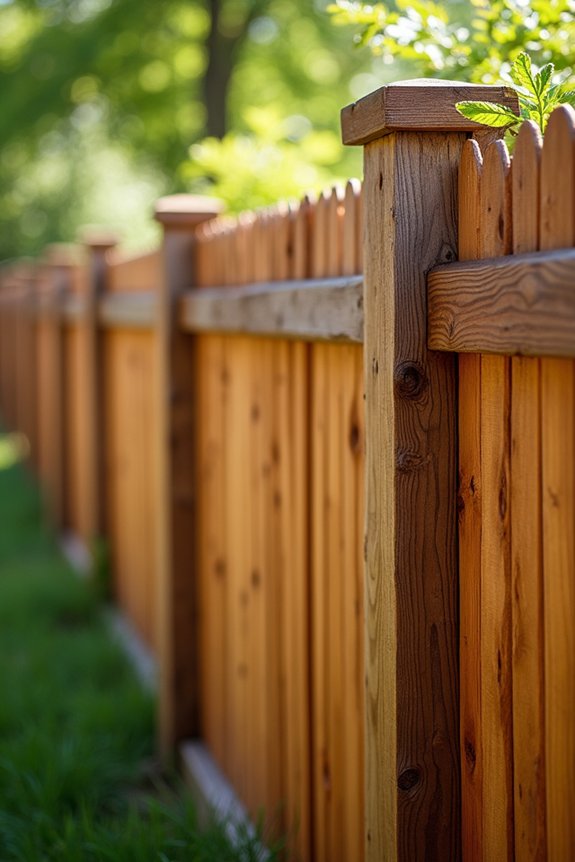
Looking to invest in a fence that’ll outlast most of your home’s other outdoor features?
Redwood and cypress fences deliver exactly that. These hardwoods boast a 25–30+ year lifespan thanks to their natural moisture resistance and durability. You’re joining a community of homeowners who’ve chosen longevity over shortcuts.
Redwood and cypress fences deliver 25–30+ years of durability through natural moisture resistance, joining homeowners who chose longevity.
Here’s what makes them work: their dense composition naturally resists rot and insects, setting them apart from standard pressure-treated options. To reach that extended lifespan, you’ll need consistent maintenance. Seal or stain your fence every 2–4 years to preserve both appearance and protection.
Installation matters too. Deep posts and proper drainage prevent water damage at the foundation—critical for maximizing durability. When you pair quality materials with thoughtful upkeep, your redwood or cypress fence becomes an investment that lasts decades.
Exotic Hardwoods Outlast Everything Else at 40–75 Years
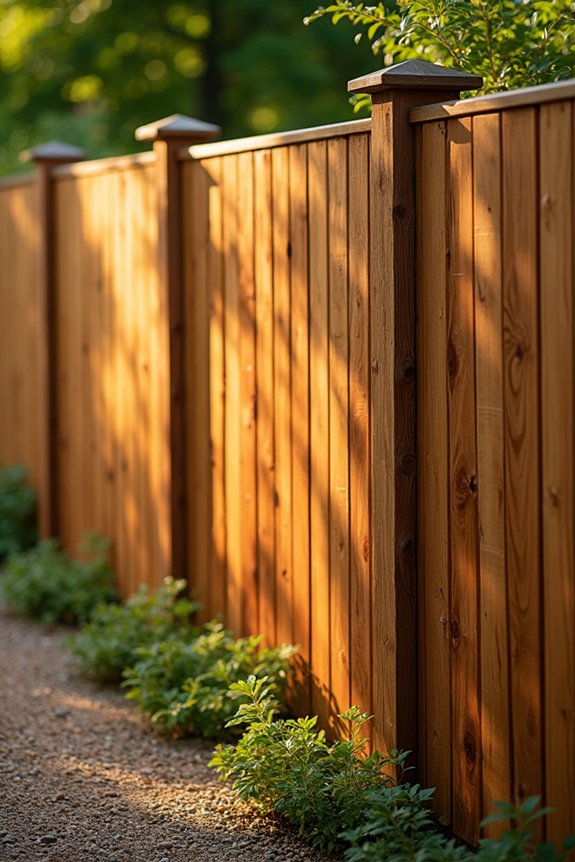
Why do some fences seem practically indestructible? When you choose exotic hardwoods like ipe or mahogany, you’re investing in materials built to last decades. These dense woods outperform softwoods significantly because they resist rot, termites, and moisture naturally.
What sets them apart: a 40–75 year lifespan beats cedar or pressure-treated pine considerably. You’ll want proper maintenance—sealing and staining when needed—to keep your fence within that range.
Installation quality matters. Deep-set posts, adequate drainage, and regular inspections are key to realizing that full lifespan. When you combine durable exotic hardwood with smart installation practices, you’re creating a fence that will protect your property for generations.
Why Softwoods Like Spruce Fail Within 5–10 Years?
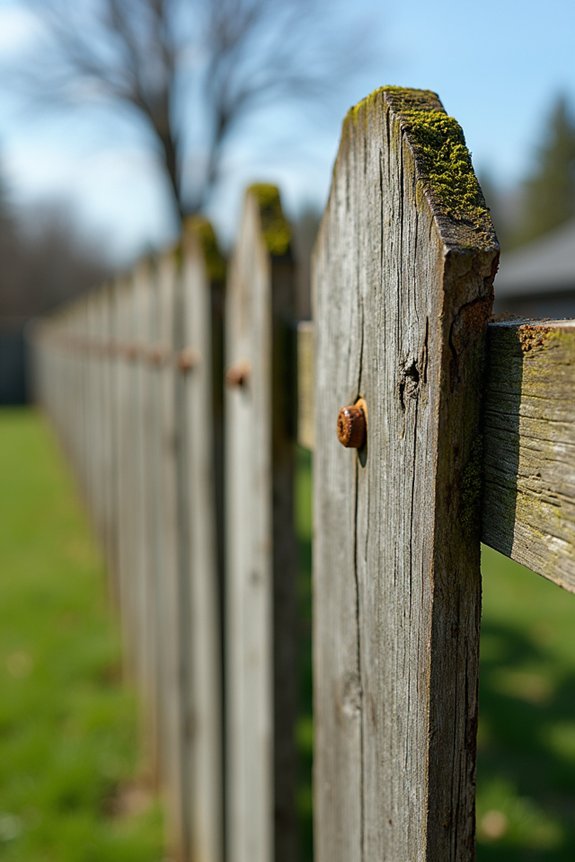
Exotic hardwoods like ipe command impressive 40–75 year lifespans because they’re inherently dense and resistant to rot, but most homeowners don’t choose them—they pick softwoods like spruce for their lower cost and easier workability. Here’s the trade-off: spruce typically lasts only 5–10 years without serious intervention. Spruce’s poor decay resistance makes it vulnerable to moisture, sun damage, and insect attacks much faster than cedar or treated alternatives. Without sealing and staining, your fence deteriorates rapidly in wet climates. You’ll need consistent maintenance—resealing every 2–3 years and managing moisture exposure—to extend its lifespan. Even with dedication, spruce still underperforms compared to naturally durable woods. Understanding this reality helps you make informed decisions about whether spruce suits your long-term fencing needs.
Seal or Stain Every 2–4 Years to Prevent Rot
The single most effective defense against wood fence deterioration is resealing or staining regularly—ideally every 2–4 years, depending on your climate. You create a water-repellent barrier that prevents moisture from penetrating the wood’s surface, which stops rot before it starts.
| Climate Type | Sun Exposure | Resealing Frequency | Priority Level |
|---|---|---|---|
| Mild | Low | Every 4 years | Standard |
| Moderate | Medium | Every 3 years | Important |
| Harsh | High | Every 2 years | Critical |
| Wet/Humid | Any | Every 2 years | Critical |
| Arid | High | Every 3 years | Important |
Your maintenance schedule directly impacts your fence’s lifespan. Skip resealing, and you’ll accelerate moisture ingress and surface degradation significantly. After applying sealant, let it fully dry before rain exposure—this ensures proper adhesion and maximum protection. You’re extending years of durability to your wood.
Clean Annually and Repair Damage Immediately
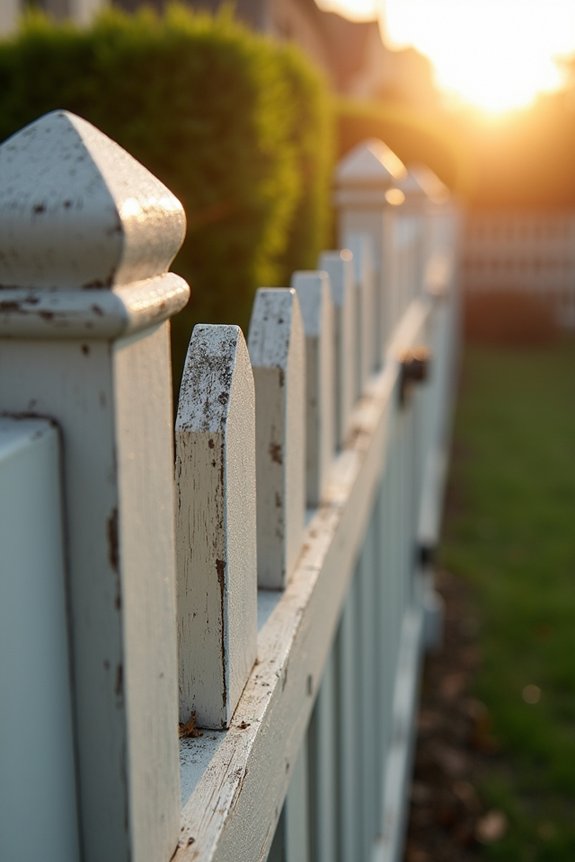
I’ve found that you can’t underestimate how much annual cleaning does for your fence’s lifespan—it’s where prevention pays off. When you catch damage early and fix it right away, you stop small problems from spreading into costly repairs that compromise your entire fence structure. By combining routine cleaning with prompt repairs and sticking to a consistent maintenance schedule, you add years to your wood fence’s life.
Annual Cleaning Prevents Deterioration
How often do you think about what’s happening on your fence’s surface?
Annual cleaning is where fence maintenance truly begins. When you wash away dirt, moss, and mildew, you protect your wood fence lifespan by removing moisture traps that accelerate decay. Regular cleaning reduces surface dampness and prevents rot from extended water exposure.
Here’s what happens during annual maintenance:
| Condition | Problem | Solution |
|---|---|---|
| Dirty surface | Moisture retention | Power wash annually |
| Mildew growth | Fungal damage | Apply cleaner, scrub |
| Wet wood | Accelerated decay | Ensure proper drainage |
| Worn finish | UV damage | Reapply staining seals |
After cleaning, you’re ready for staining seals within a year. This consistent approach extends your fence’s life by several years. Proper upkeep protects your investment through straightforward maintenance.
Quick Repairs Stop Spread
When you spot that first crack or notice a board starting to warp, you’re facing a critical choice: address it now or watch the damage spread.
I’ve learned that prompt repairs directly impact your wood fence lifespan. Small issues become expensive problems fast. A single damaged board allows moisture to penetrate deeper, compromising adjacent posts and panels. You’ll extend your installation durability significantly by tackling problems immediately.
Here’s what I recommend for maintenance: inspect quarterly, focusing on moisture-prone areas. Replace warped or cracked panels before they weaken neighboring sections. Repair damaged boards promptly—don’t delay. This quick action prevents structural failure and protects your fence investment.
Think of it this way: preventative maintenance stops damage spread, keeping your fence strong for years longer.
Maintenance Schedule Extends Life
You’d be surprised how much difference a yearly cleaning makes in protecting your wood fence investment. I’ve found that gentle scrubbing or light power washing removes dirt, mildew, and moisture that accelerate deterioration. This simple step prepares your fence for sealing or staining every 2–4 years, which shields wood from UV exposure and water damage.
I also prioritize immediate repairs of damaged boards, posts, or fasteners. Catching rot early stops it from spreading and prevents costly structural failure. Beyond cleaning and repairs, I keep ground moisture away from posts and check regularly for pests. These maintenance habits—combined with consistent sealing—extend your fence’s lifespan significantly. You’re investing in protection, and this schedule keeps that investment strong for years.
Poor Installation Cuts Lifespan in Half
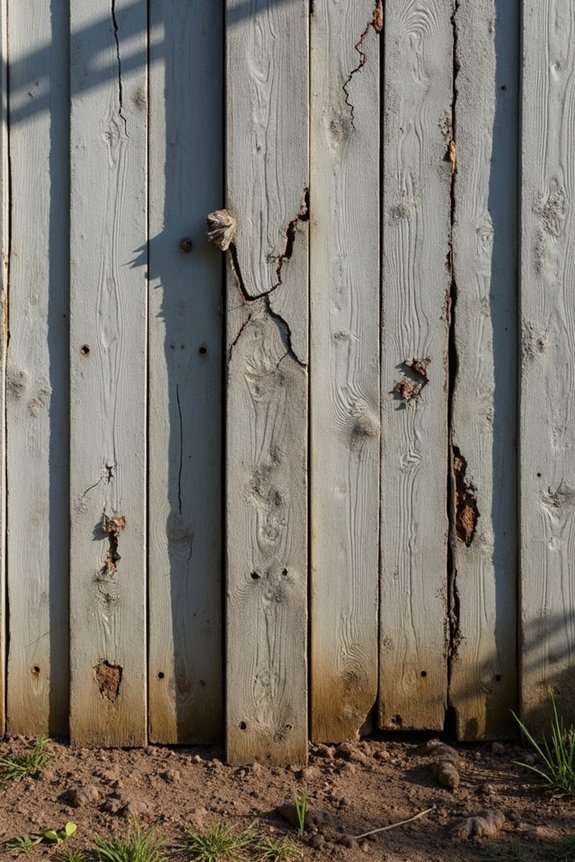
You’ll find that even the best wood species won’t reach their full lifespan if you skip the fundamentals—and that starts with how you set your fence in the ground. Your concrete foundation and drainage system are essential elements that either protect your posts from rot or leave them susceptible to moisture damage that spreads rapidly. Get these two elements right, and your fence will have a reasonable chance of lasting.
Concrete Foundation Matters
How much does installation quality impact your fence’s durability? It matters significantly. I’ve seen fences fail within years because builders skipped the concrete foundation step. Here’s why it’s important: proper post depth—typically 2-3 feet—combined with concrete footings creates the drainage and stability your fence needs.
Without concrete, ground moisture seeps directly into buried posts, accelerating rot and structural failure. Water pools at the base, increasing contact between wood and soil. You’re allowing decay to occur.
A correctly installed concrete foundation performs critical functions. It elevates posts away from standing water, manages drainage effectively, and provides the moisture control that extends your fence’s life significantly. You’re not just building a fence; you’re investing in years of reliable performance. That foundation is fundamental to success.
Drainage System Importance
A solid concrete foundation sets the stage, but it’s only part of the equation. Here’s what I’ve learned: poor installation that skips proper drainage can reduce your fence’s lifespan by half.
Ground moisture damages wood. That’s why post drainage matters. I always install a gravel layer at the base of post holes—it directs water away from the wood, preventing rot before it starts.
Don’t forget ground grading either. Slope soil away from your fence line so water doesn’t pool around posts. Then, elevate panels a few inches above ground. This step promotes air circulation underneath, reducing moisture-related decay.
These drainage and ventilation techniques work together, protecting your investment for decades to come.
How Climate and Weather Shorten Your Fence’s Life
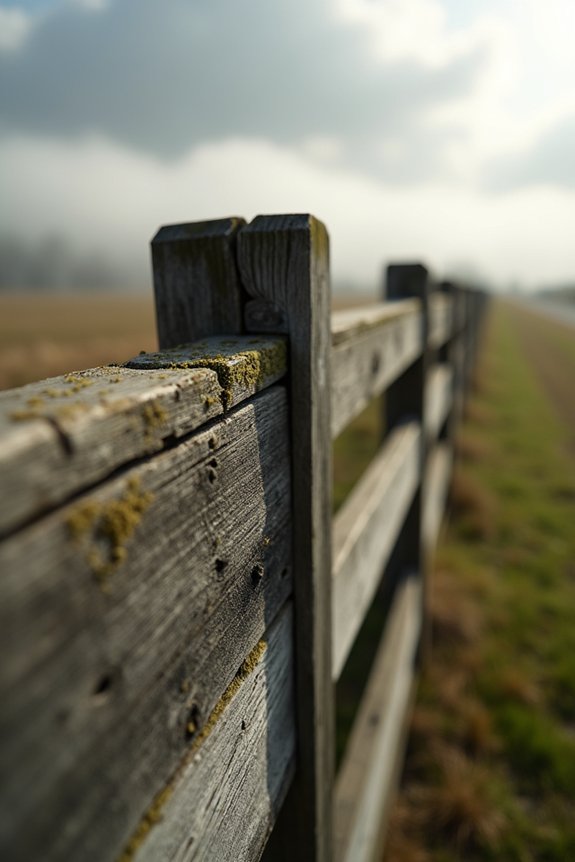
Where you live matters far more than most fence owners realize—your climate’s temperature swings, moisture levels, and sun exposure directly determine whether your fence lasts for 15 years or 30+.
Your climate’s temperature swings, moisture levels, and sun exposure directly determine whether your fence lasts 15 years or 30+.
I’ve seen how climate factors damage unprepared fences. Your wood fence lifespan depends heavily on what weather conditions affect it:
- Heavy rainfall and high humidity accelerate rot and decay in vulnerable wood
- Freezing-thaw cycles crack boards and weaken structural integrity over seasons
- Strong UV exposure causes warping, splintering, and color fading
- Moisture exposure near ground contact can reduce your fence’s life by 3 years
- Rapid temperature changes stress wood joints and connections
You can’t change your climate, but understanding these challenges helps you protect your fence. Smart maintenance—sealing every 2–4 years, annual cleaning, prompt repairs—directly counters these weather threats and keeps your investment standing strong.
Wood Fences vs. Vinyl, Aluminum, and Chain Link: Lifespan Comparison
When you’re deciding between materials for your next fence project, lifespan matters—but it’s only part of the equation. Wood fence lifespan typically ranges from 15–30+ years, while vinyl and aluminum often last 20–40 years with minimal upkeep. Here’s the trade-off: wood requires consistent maintenance—sealing every 2–4 years and repainting every 4–5 years—to combat rot and warping. Vinyl comparison reveals less maintenance but less natural character. Climate impact heavily influences your choice. In wet regions, well-maintained wood performs exceptionally through proper installation quality and post depth. Aluminum fencing requires occasional cleaning but offers durability. Your decision ultimately depends on how much maintenance you’re willing to invest versus the aesthetic warmth wood brings to your property.
When to Replace vs. Repair: A Cost-Benefit Guide
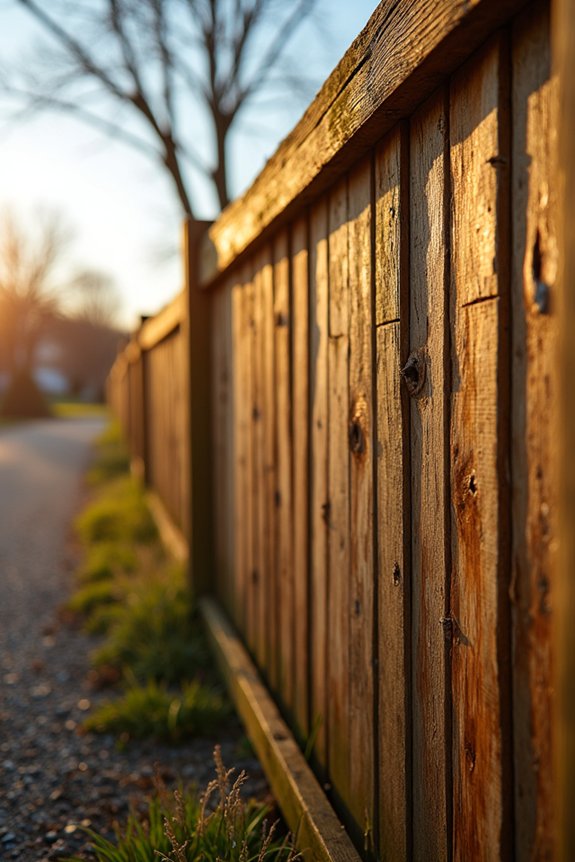
You’ll face a critical decision when your fence starts showing its age: should you patch problem areas or invest in a complete replacement? I’ll walk you through the telltale signs that signal replacement is necessary, compare what you’ll actually spend on repairs versus new installation, and help you plan your budget around your fence’s lifespan. By understanding these factors upfront, you can make a choice that saves money and protects your property for years to come.
Signs It’s Time To Replace
How do you know if your fence deserves another coat of stain or a complete teardown?
Recognizing when wood fence replacement becomes necessary saves you money and prevents future problems. Here’s what to look for:
- Over 30% visible wear across your fence sections
- Multiple leaning posts that’ve shifted out of alignment
- Major rot and damage concentrated in several areas
- Cedar or pressure-treated wood exceeding 15–20 years old
- Widespread structural issues affecting fence stability
When you spot these signs, patchwork repairs won’t work. Major rot and damage typically indicate that maintenance versus replacement favors replacement. Your fence lifespan ends when repairs cost nearly as much as new installation. If it looks compromised, it probably is, and replacement makes sense.
Repair Cost vs. Replacement Analysis
Once you’ve identified the damage, the real question becomes financial: should I fix it or start fresh? I’ll help you weigh your options.
Compare repair costs against wood fence replacement by examining your fence’s age and condition. If your fence is under 10 years old with isolated damage, targeted repairs make sense. Patching boards or replacing single posts costs far less than full replacement.
However, when you’re approaching year 15, consider your lifespan vs maintenance equation carefully. Regular maintenance intervals—sealing every 2–4 years—extend durability. Yet if repair costs approach 50% of replacement expenses, replacement becomes the smarter financial choice.
Evaluate remaining lifespan objectively. An aging fence requiring frequent repairs signals declining returns on your investment. The decision between replacement and repair ultimately depends on your fence’s condition trajectory and your budget priorities.
Lifespan And Budget Planning
What’s your fence actually worth to you—and for how much longer?
I’ll help you decide whether patching or replacing makes sense for your situation. Your wood fence lifespan depends on wood type, maintenance, and environmental factors. Here’s what shapes that decision:
- Cedar fences last 20–30 years with proper care; pressure-treated pine manages 15–20 years
- Ground moisture impact shortens lifespan by several years, especially at ground-contact panels
- Your maintenance interval matters—sealing every 2–4 years extends longevity significantly
- Post treatment quality determines how well your fence resists rot and decay
- Replacement vs repair becomes clear when you spot widespread rot or multiple leaning posts
Minor board damage calls for repairs. But when extensive damage spreads across your fence, replacement becomes the smarter investment. Calculate total costs—installation plus future maintenance—to choose with confidence.
Cedar for Wet Climates, Pressure-Treated Pine for Budget: Choose by Region
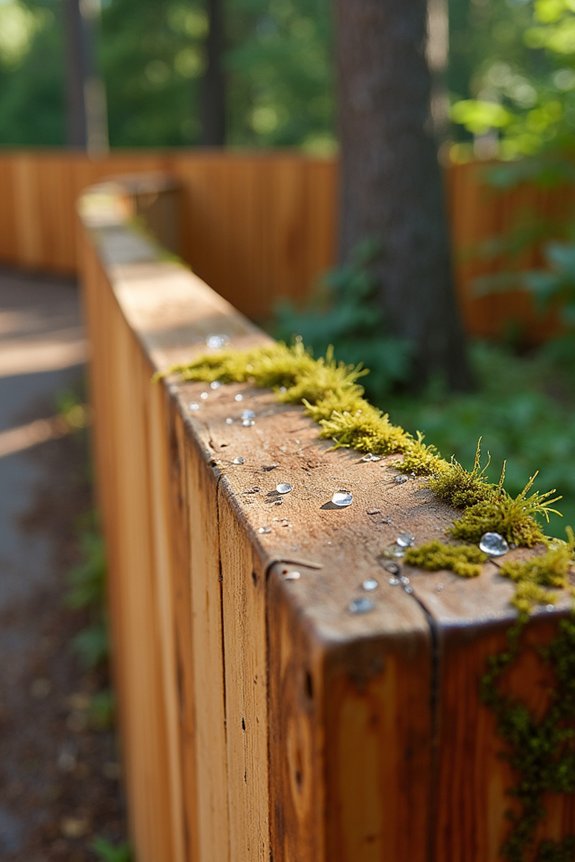
When you’re building a fence in a rainy or humid region, your wood choice affects how long it will last. Cedar works well for wet climates because its natural resistance to rot and insects performs effectively where moisture is present. Pressure-treated pine is suitable if budget is your priority, though it requires more consistent maintenance.
| Wood Type | Lifespan | Maintenance | Best For | Climate |
|---|---|---|---|---|
| Cedar | 20–30 years | Annual cleaning, periodic resealing | Wet regions | Pacific Northwest |
| Pressure-treated pine | 15–20 years | Sealing every 2–4 years | Budget-conscious | Moderate climates |
| Cedar (ground contact) | Reduced years | Enhanced post treatment, drainage | Problem areas | High moisture |
| Cedar (harsh winters) | Shortened | Moisture management, proper installation | Protected zones | Variable seasons |
| Pressure-treated pine (sealed) | Extended | Regular protective coatings | Long-term investment | Demanding weather |
Your region determines everything. Cedar performs better where durability is a priority; pressure-treated pine suits tighter budgets that require consistent maintenance schedules.