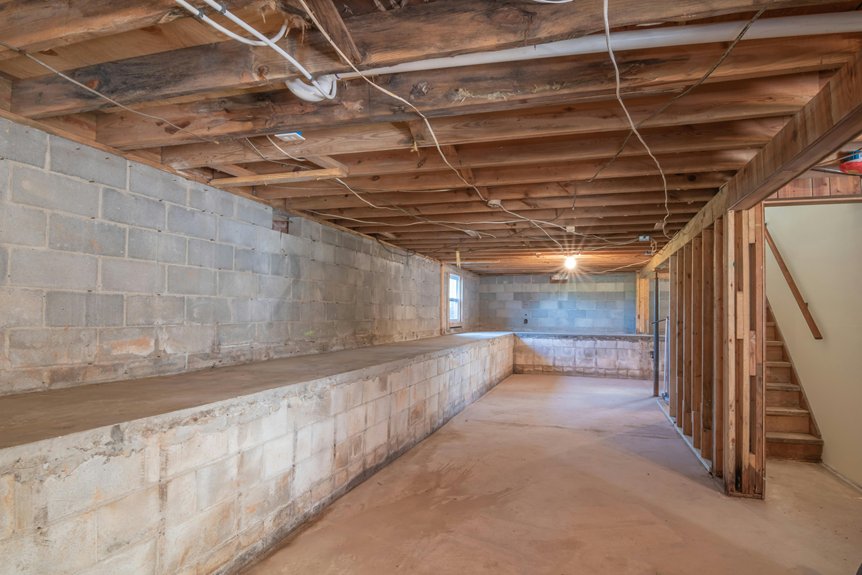
Most Florida homes skip basements entirely. Here’s why: the state’s water table sits dangerously close to the surface—just 2 to 15 feet down depending on your region. When you dig deeper, you’re battling constant groundwater seepage and moisture intrusion that waterproofing simply can’t handle. Add hurricane storm surge and heavy rainfall, and basements become expensive liabilities.
Instead, Floridians use raised foundations with under-home storage, finished attics, and climate-controlled spaces. These alternatives dodge moisture problems while maximizing your usable space—and there are practical design strategies worth considering.
Why Florida Basements Don’t Work
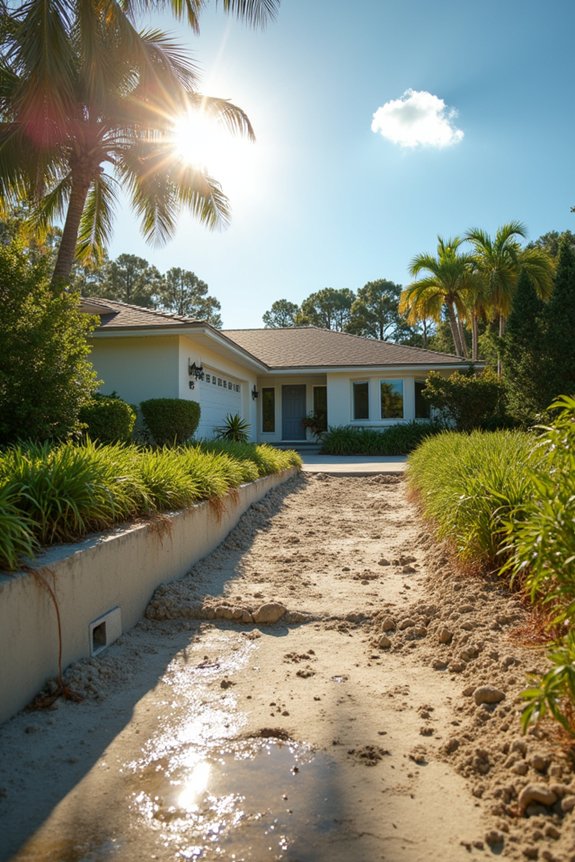
Why do so few Florida homes have basements? It comes down to geography and water. Florida’s groundwater table sits dangerously high, meaning you’d hit water quickly when digging down. That’s a major problem.
The flood risk here is real. Much of Florida sits near sea level, so basements aren’t feasible in most locations. Add hurricanes and heavy rainfall into the mix, and you’re looking at potential water intrusion and mold issues that cost homeowners significant money.
Builders like ICI Homes know this. They’ve switched to slab-on-grade and raised foundations instead. These methods keep homes safer and cost-effective. While basements are technically possible in some shallower areas, the expense and complexity rarely justify the investment for Florida homeowners.
Water Tables and Underground Moisture
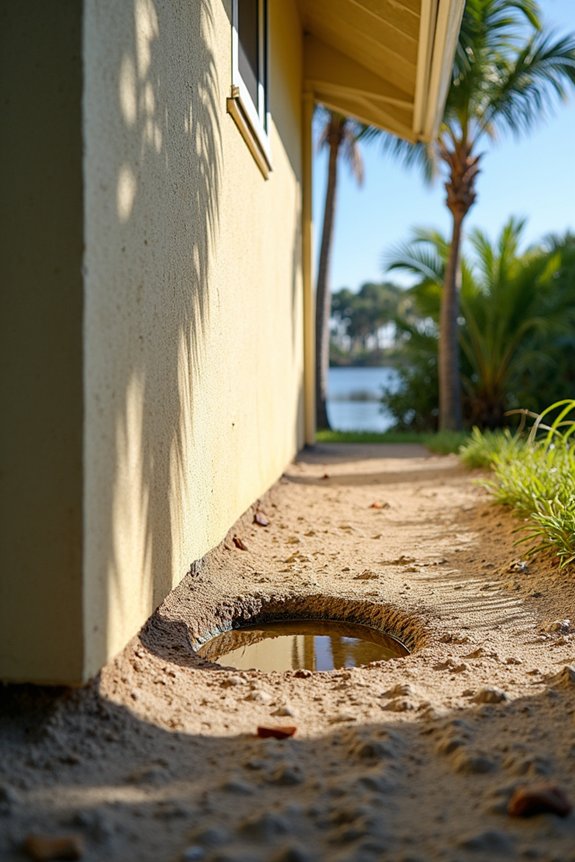
You’ll find that Florida’s high water table—often sitting just a few feet below the surface—creates a significant challenge for basement construction. The state’s extensive aquifer systems, which supply fresh groundwater across the region, mean that any deep excavation project risks serious groundwater intrusion and moisture seepage into living spaces. Understanding how close these water sources sit to your property is important before considering a basement, since managing underground moisture becomes costly and sometimes difficult to control over time.
Florida’s High Water Table
The state sits atop one of the nation’s most significant aquifer systems, and that groundwater sits very close to the surface. You’re dealing with a high water table that fundamentally changes construction possibilities across the state.
| Region | Water Table Depth | Moisture Challenge |
|---|---|---|
| South Florida | 2-4 feet | Severe |
| Central Florida | 5-10 feet | Moderate |
| Northern Florida | 10-15 feet | Lower |
In many areas, digging just ten feet down means you’ll hit groundwater almost immediately. This persistent moisture creates serious waterproofing problems and flood risk that makes basement construction impractical. The aquifer system spanning 100,000 square miles isn’t just an underground freshwater source—it’s a constant moisture concern that shapes how we build homes here. You’re working against Florida’s geological conditions when attempting deep excavation.
Aquifer Systems and Moisture
Understanding what’s actually happening beneath Florida’s surface reveals why basements simply don’t work here. The Florida Aquifer acts as an underground freshwater highway, constantly pushing moisture upward through soil layers. This persistent groundwater creates conditions that make deep excavation problematic and expensive.
Here’s what you’re dealing with:
- Groundwater sits just a few feet below surface in most areas
- Moisture intrusion happens rapidly once you dig deeper than 10 feet
- The aquifer continuously supplies water upward through soil pressure
- Conventional waterproofing can’t match this relentless moisture environment
You’ve probably noticed how wet Florida stays year-round. That’s your aquifer system at work. The combination of shallow groundwater levels and constant moisture means basements would require extensive, costly interventions. Most Florida homeowners accept this reality and build above ground instead, protecting their investments from the challenges beneath.
Groundwater Depth and Risk
How deep can you actually dig in Florida before hitting water? That’s the question many homeowners ask. In South Florida, you’ll often strike groundwater just a few feet down, making basements impractical for most people. The shallow groundwater depth creates serious challenges for any below-ground construction.
Here’s what happens: that underground freshwater acts as a constant moisture source, increasing moisture intrusion risk significantly. You’re essentially building against geological resistance. Even in North Florida, where water tables sit deeper, the economic and practical risks remain substantial.
The reality is clear—Florida’s geology simply doesn’t cooperate with traditional basement designs. The better approach involves accepting that basements aren’t suitable for Florida homes. Instead, focus on elevated foundations and quality drainage systems that work with your region’s natural water patterns.
Storm Surge and Flood Risk
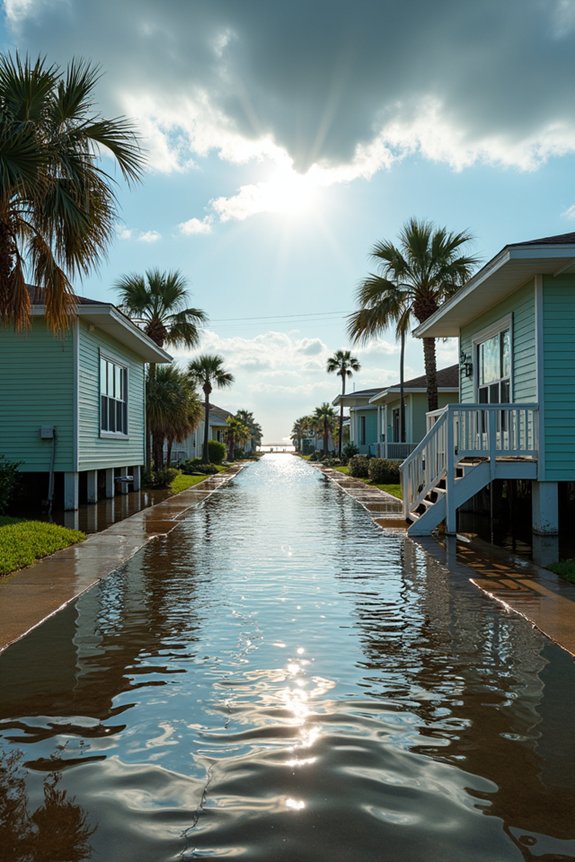
Hurricanes and heavy rainfall pose serious threats to Florida homes, and basements sit right in the danger zone. When storms hit our state, storm surge pushes seawater inland, transforming basements into underwater chambers. You’ll face serious consequences that extend far beyond initial flooding.
Here’s what happens when storm surge reaches your basement:
- Saltwater corrodes foundation materials and metal support systems
- Mold develops rapidly in damp underground spaces, creating health hazards
- Insulation becomes waterlogged and loses its effectiveness permanently
- Post-storm repairs cost thousands of dollars and take months to complete
Because basements represent the lowest point on your property, flood risk and flood insurance considerations strongly discourage their inclusion in most Florida homes. That’s why we’ve adopted smarter building practices that keep your family safe and your wallet protected.
What You Can Build Instead of a Basement
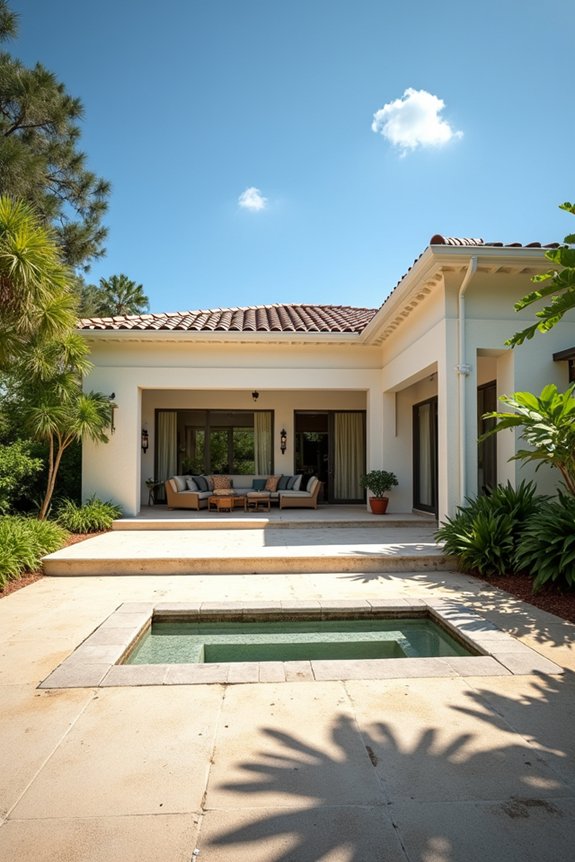
Since basements aren’t practical in Florida, you have smart alternatives that work just as well. Consider raised foundations with built-in storage, attic and loft conversions that maximize your upper space, and flexible garage solutions that give you the extra room you need. Each option addresses Florida’s moisture challenges while keeping your home functional and protected.
Raised Foundations And Storage
Instead of digging down, Florida builders are building up—and you can take advantage of that strategy too! Raised foundations solve our moisture and flood challenges while creating valuable storage space beneath your home.
What you can utilize with raised foundations:
- Under-home storage areas for seasonal items and equipment
- Covered parking spaces protected from Florida’s intense sun
- Crawl spaces ideal for mechanical systems and utilities
- Bonus rooms or flex spaces on the main level
These elevated structures keep your living areas dry and safe while maximizing usable square footage. Your raised foundation is practical design that works with Florida’s environment rather than against it. You’re building a home that will serve you well for decades!
Attic And Loft Conversions
While raised foundations give you practical space below your home, you’ve also got valuable real estate sitting right above your head. Attic conversions offer a smart alternative that transforms unused overhead space into functional areas. You can create a loft space perfect for storage, a home office, or recreational zone by adding stairs and reinforcing floor joists.
Skylights and windows flood these areas with natural light, making them inviting. Proper insulation and moisture control keep your new space comfortable year-round in Florida’s humid climate. Built-in shelving and flexible layouts maximize storage without consuming main-floor living areas.
Unlike basements, attic conversions avoid flood risk and groundwater challenges. You’re gaining extra square footage while working with your home’s existing structure.
Flexible Garage Space Solutions
How can you transform underutilized garage real estate into the storage and utility space your home needs?
Flexible garage space solutions offer a smart basement alternative for Florida homes. You can create customized storage without underground moisture risks. Consider these garage storage options:
- Wall-mounted shelving systems for seasonal items
- Overhead mezzanines that double usable square footage
- Modular cabinets organized by category
- Multi-functional bays for tools and equipment
Storage Solutions That Actually Work in Florida
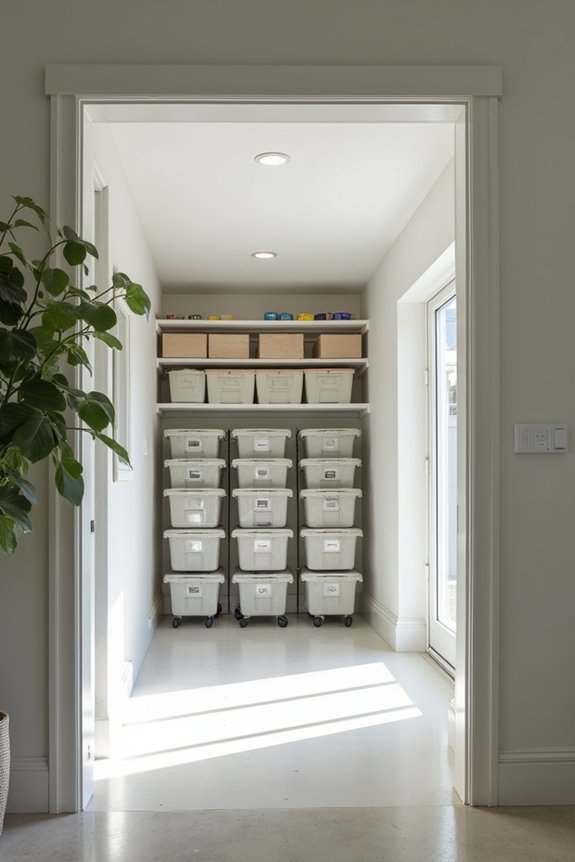
Since Florida’s high water tables and thick aquifer layers make traditional basements impractical or impossible for most homeowners, you’ll want to get creative with storage that actually suits our unique climate.
I’ve found that elevated foundations open up practical opportunities beneath your home. Builders like ICI Homes customize floor plans with built-in shelving and cabinets that maximize interior space efficiency. You can convert your attic into finished storage with proper ventilation, keeping seasonal items organized and protected.
Finished garages work well too. Install wall-mounted systems and overhead racks to reclaim floor space. Consider adding exterior storage sheds designed for Florida’s humidity—they’re practical additions that complement your home’s raised design.
The key? Focus on smart, climate-controlled alternatives rather than fighting our groundwater challenges.
Raised Foundations and Alternative Storage Options
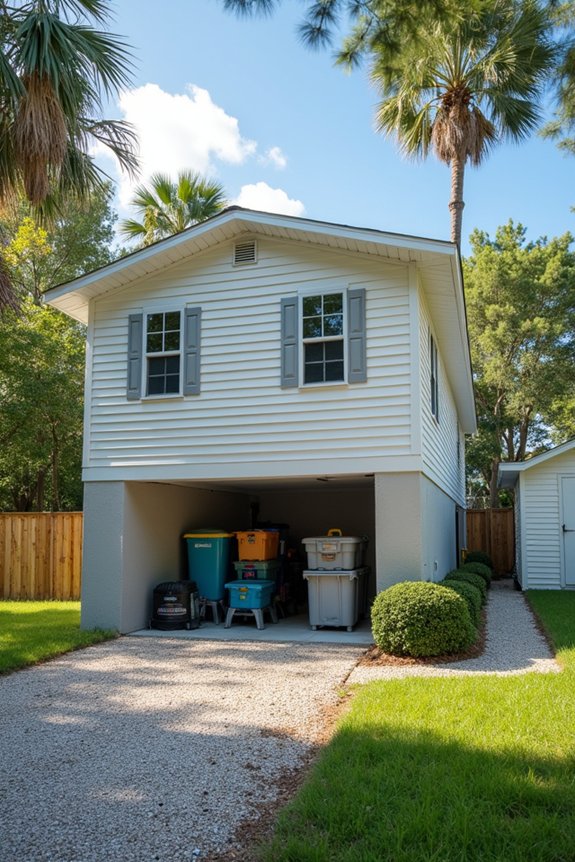
Now that you’ve explored smart storage solutions within your home’s main living areas, it’s worth understanding the structural advantage that makes them necessary in the first place.
Florida’s raised foundations aren’t just practical—they’re essential. These elevated structures keep your home safe from flooding while creating valuable space underneath. Here’s what you can do with that area:
Florida’s raised foundations provide flood protection while unlocking valuable storage space beneath your home.
- Install shelving for seasonal items and equipment
- Create a climate-controlled storage zone with proper ventilation
- Design a covered parking space that protects your vehicle
- Build a workshop or hobby area away from living spaces
These storage solutions work because they’re separate from your main home yet remain protected. You’re gaining usable square footage without the moisture problems basements face. It’s smart design that respects Florida’s unique environment while giving you practical places to store what matters.