
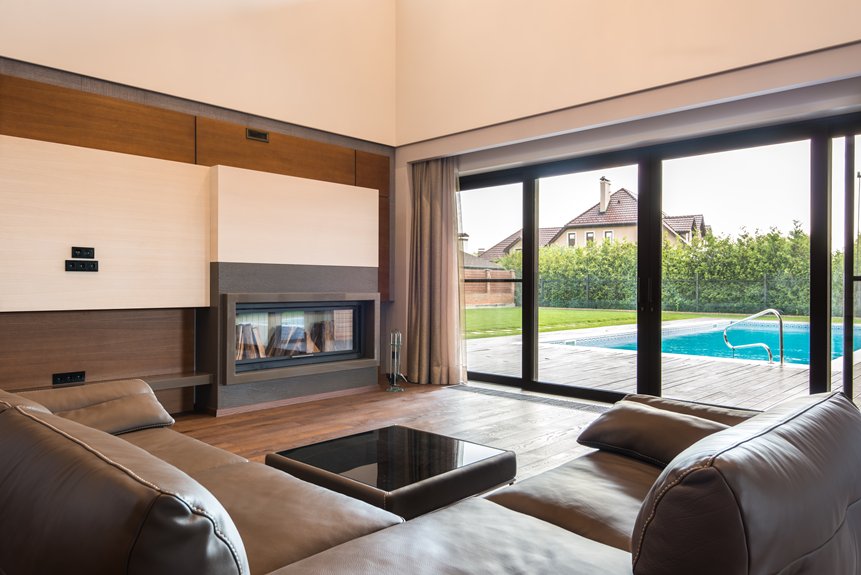
In 2026, expect patio door replacement costs between $2,500 and $4,000 for complete installation. Basic vinyl doors run $600–$1,200, while premium European models hit $6,000–$12,000 installed. Your final price depends on material (fiberglass, aluminum, wood), style (sliding, French, bifold), and upgrades like triple-glazing or multi-point locks. Labor typically costs $600–$2,000. Hidden fees often lurk in warranty markups and add-ons. Getting itemized quotes helps you compare true project totals and avoid budget surprises.
Typical Patio Door Replacement Costs in 2026
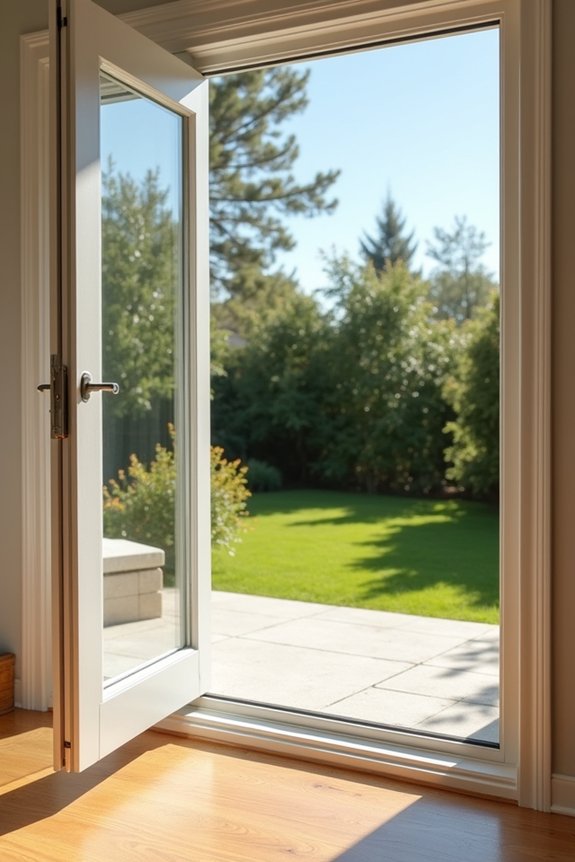
How much should you really expect to spend on a new patio door? Most homeowners invest around $2,500 for a complete replacement, though your actual replacement cost depends on what you’re choosing. Basic options run $600–$1,200, while premium upgrades can reach $4,000 or beyond.
Sliding doors typically fall between $1,200–$4,000 installed. The material you select influences pricing: vinyl costs $600–$1,200, aluminum ranges $600–$2,000, fiberglass runs $1,000–$3,000, and wood-clad doors start at $1,500–$3,500+. You’ll also want to account for upgrades like triple-pane or Low-E glazing for better energy efficiency.
Labor makes up 20–60% of your total bill, with removal and installation ranging $400–$2,000 depending on complexity. Professional quotes bundle everything together—door, hardware, labor, cleanup, and warranty included.
How Door Materials Affect Your Total Price
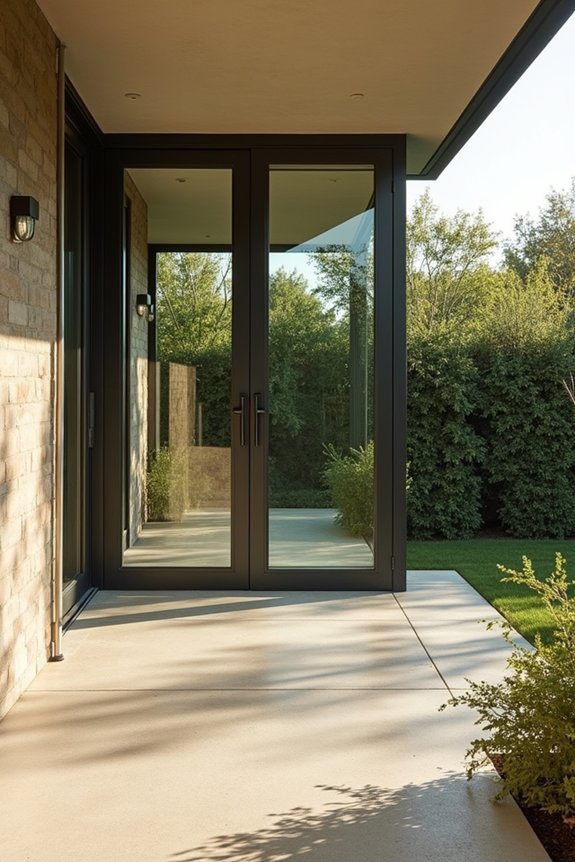
When you’re shopping for patio doors, the material you choose becomes your biggest price driver—vinyl runs $400–$1,200, while wood can climb to $5,000 just for the door itself. Each material offers distinct advantages: vinyl provides affordability and low maintenance requirements, fiberglass ($800–$3,500) combines durability with energy efficiency, and wood offers a classic aesthetic for those willing to commit to regular upkeep. Beyond the base price, consider upgrades like triple-pane glass or Low-E coatings, which increase your initial investment while improving insulation performance and extending the lifespan of your doors.
Material Cost Breakdown
Material Cost Breakdown
Several different materials make up today’s patio doors, and your choice directly impacts both your upfront investment and long-term satisfaction.
Vinyl doors run $600–$1,200 and deliver affordability with minimal maintenance needs. They insulate well, making them practical for most homes.
Fiberglass doors cost $1,000–$3,000+ but resist weather damage exceptionally well. You’ll appreciate their durability and energy efficiency for years.
Aluminum options range $600–$2,000—sleek and sturdy, though they conduct heat more easily than other materials.
Wood-clad doors span $1,500–$3,500+, offering classic elegance with superior insulation. However, they require consistent upkeep.
Beyond base materials, upgrades like triple-pane glazing, Low-E coatings, internal blinds, or decorative grilles increase your total investment. Consider what matters most: initial cost, maintenance demands, or long-term energy savings.
Durability and Long-Term Value
The true cost of patio doors extends far beyond what you pay upfront—it’s about what you’ll spend maintaining them over the next 10, 20, or even 30 years.
You’ll find that material choice directly impacts your long-term value. Vinyl doors ($400–$1,200) require minimal maintenance, making them budget-friendly lifetime investments. Fiberglass ($800–$3,500) and aluminum ($600–$2,500) offer solid durability with moderate upkeep. Wood doors ($1,000–$5,000), while attractive, demand regular sealing and painting.
Consider energy efficiency too. Triple-glazed units cost more initially—like the Cortizo Cor-Vision Plus at $10,600—but they reduce heating and cooling expenses significantly. Low-E coatings enhance performance further.
Think of it this way: spending more now on durable, energy-efficient materials means you’re investing in comfort and savings that compound over decades. That’s real value.
Sliding vs. French vs. Bifold: Which Costs More?
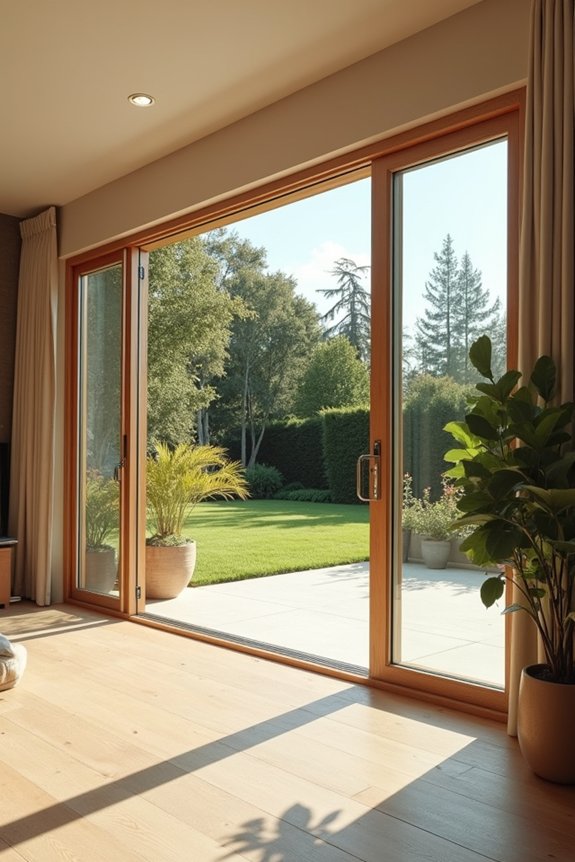
Now that you understand how materials shape your budget, let’s compare the three main patio door styles to see which one fits your price range. Sliding doors offer the most affordable entry point at $1,200 to $4,000 installed, while French doors cost more at $1,000 to $5,500 depending on your choices. Bifold doors represent the premium investment, ranging from $5,000 to $20,000 installed, since their multi-panel design and complex hardware drive up both materials and labor costs.
Sliding Door Price Range
How much should you expect to spend when comparing patio door styles? I’ll break down sliding door costs so you can make an informed decision for your home.
Sliding doors represent the most budget-friendly patio door option on the market today. Here’s what you’re looking at:
- Standard sliding doors: $1,200–$4,000 installed
- Custom models with premium features: $4,000–$6,000
- Labor costs included in quoted patio door cost
- Size dramatically affects your final price
The straightforward design of sliding doors keeps installation simple, which reduces labor expenses. Larger openings will naturally cost more since they require additional materials and effort. When you’re shopping around, remember that premium features like triple glazing or low-E glass increase your total investment. You’re getting solid value with this door type.
French Door Installation Costs
Once you’ve explored sliding doors, you’ll quickly notice that French doors command a higher price tag. You’re looking at installation costs ranging from $600 to $5,500, depending on your choices.
What drives these French doors installation costs up? Material matters significantly. Wood and fiberglass options cost more than vinyl alternatives. You’ll also invest extra when adding premium features like triple-pane glass or multiple locking points.
Here’s what influences your final bill:
Material selection – Fiberglass and wood push prices higher than budget-friendly vinyl.
Glass upgrades – Triple-pane glass and internal blinds add considerable expense.
Framing modifications – Existing door replacement with structural changes increases labor costs substantially.
Understanding these factors helps you budget confidently and make choices aligned with your home’s needs and your wallet.
Bifold Door Budget Expectations
If you’re weighing your patio door options, bifold doors represent the premium end of the price spectrum. You’re looking at a significant investment, but here’s what makes them worth considering:
- Installed costs range from $5,000 to $20,000 depending on size and customization
- Multiple panels and complex hardware require specialized installation labor
- A standard 6–8 ft opening costs considerably more than sliding or French door alternatives
- Premium materials and custom framing add to your total patio door costs
Bifold doors offer something sliding doors ($1,200–$4,000) and French doors ($600–$5,500) don’t: dramatic floor-to-ceiling openings that transform your space. Yes, you’re investing more upfront, but you’re joining homeowners who prioritize integrated indoor-outdoor living. When you’re ready for that premium aesthetic and functionality, bifolds deliver.
What Labor Costs Actually Include?
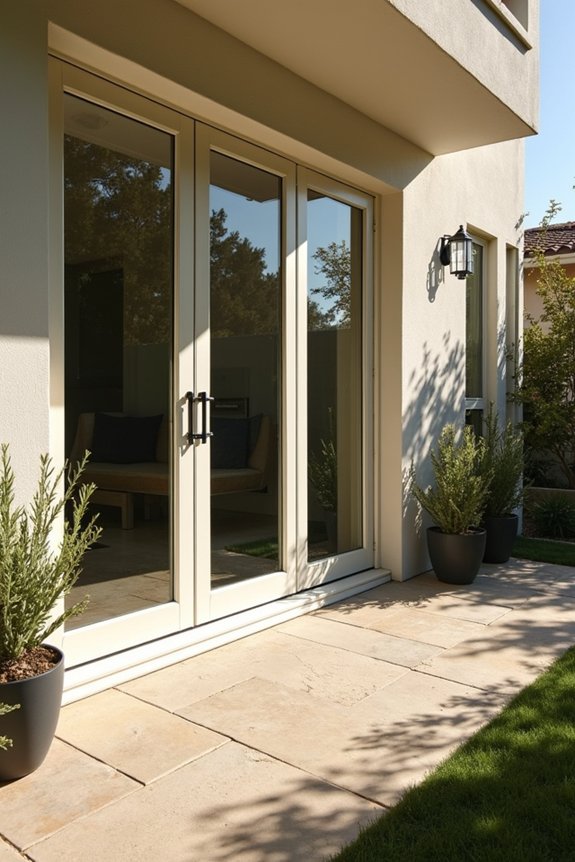
When you’re budgeting for a patio door replacement, understanding what’s bundled into labor charges helps you avoid surprises.
A solid labor quote includes several key components. Your contractor removes and disposes of the old door—typically $100–$300 if not already included. Basic installation runs $300–$700 for straightforward swaps. However, complex jobs involving framing adjustments or structural changes jump to $500–$1,500+.
Here’s what you’re paying for: precise measurements, proper alignment, weatherproofing, hardware installation, and cleanup. Additional expenses emerge when accessibility is limited or finishing details demand extra attention.
The best approach? Request a comprehensive quote covering the door itself, all hardware, installation labor, disposal, cleanup, and warranty protection. This transparency protects you and ensures you understand exactly where your investment goes.
Size and Customization: The Real Price Drivers
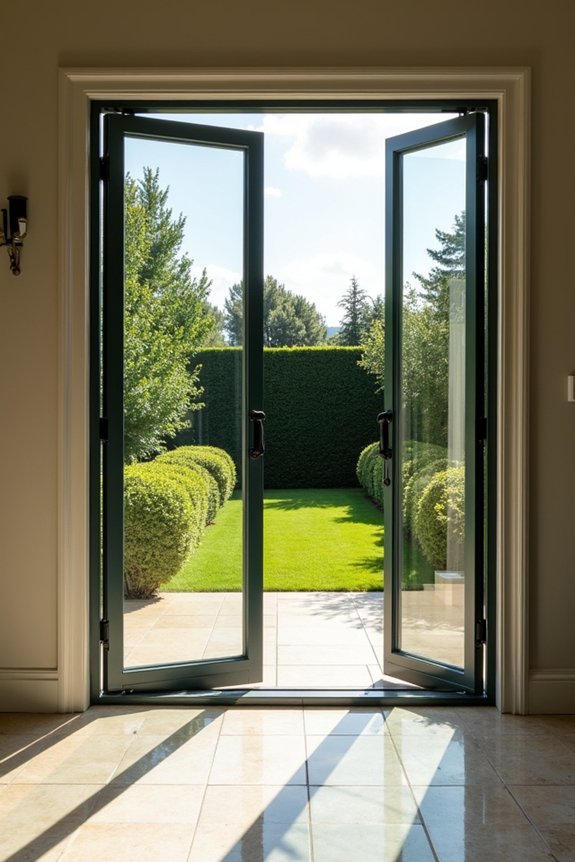
Why does your neighbor’s patio door cost half what yours will? Size and customization are the biggest factors affecting your final bill.
Here’s what drives those costs up or down:
- Standard sliding patio door sizes run $600–$1,200 because manufacturers mass-produce them
- Custom size doors jump to $2,000–$5,000+ due to specialized fabrication work
- Rough opening dimensions around 8 feet wide stay affordable; larger openings require more materials and glass
- Taller installations increase both material needs and labor complexity significantly
Standard sizes fit most homes perfectly fine. But if you’re working with an unusual opening, you’ll pay premium prices. That custom fit looks cleaner, sure—but it’s not cheap. Know your rough opening measurements before shopping around!
Why Big Box Stores Show Lower Prices First
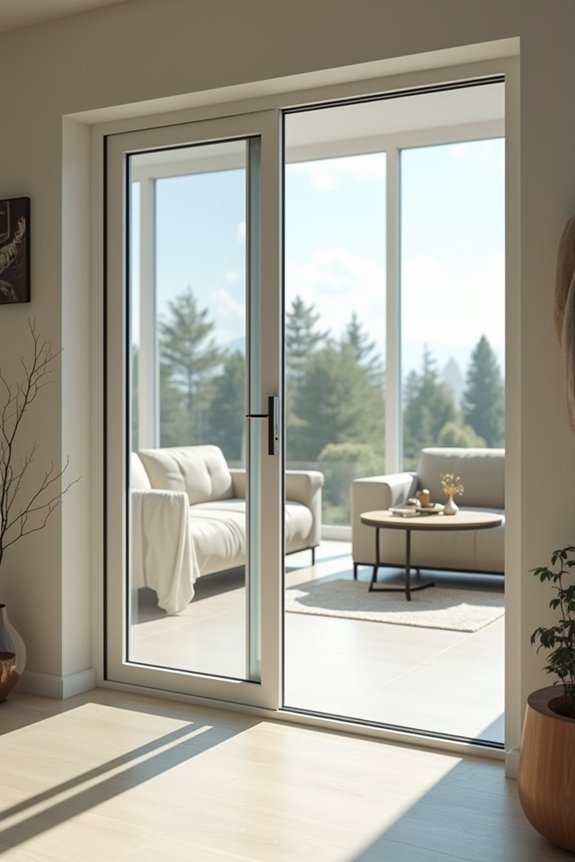
You’ve now got your rough opening measurements down—but here’s where the shopping gets tricky. Big box retailers quote door costs without installation, delivery, hardware, and haul-away fees. That lower initial price tag doesn’t reflect your real project total.
When you compare quotes, you’ll notice big box prices look tempting. They’re showing you the door alone. Full-service installers include labor, disposal, and finishing work—costs that add hundreds or thousands to the final bill.
| Component | Big Box | Full-Service |
|---|---|---|
| Door price | Quoted | Included |
| Installation | Separate | Included |
| Delivery | Extra | Included |
| Haul-away | Extra | Included |
Request comprehensive estimates that break down every line item. You’ll spot where value truly lies and avoid surprises at checkout.
Premium Patio Doors: Why European Models Cost Double
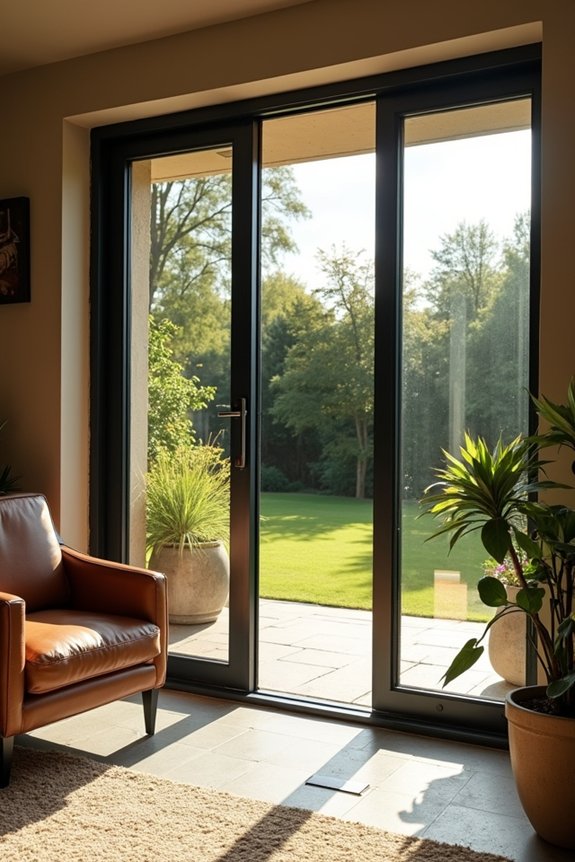
Ever wonder what justifies a $10,000 price tag on a sliding glass door?
Premium European patio doors command higher prices because they’re engineered differently than standard models. You’re investing in advanced materials and precision craftsmanship that North American doors simply don’t offer.
Here’s what drives the cost:
- Triple glazing with Low-E coatings for superior energy efficiency
- Multi-point locking systems providing enhanced security
- Internal blinds and sound insulation built into the frame
- Slimmer frames allowing more glass area without sacrificing strength
These European models typically range from $6,000 to $12,000 installed in 2026. Yes, that’s significantly more than big-box options, but you’re getting longer lifespans and exceptional performance. Installation requires specialized expertise and potential structural adaptations, which adds to your total investment.
Think of it as choosing quality over convenience—you’re joining homeowners who prioritize lasting value.
Patio Door Installation Complexity: Simple vs. Structural Rewiring
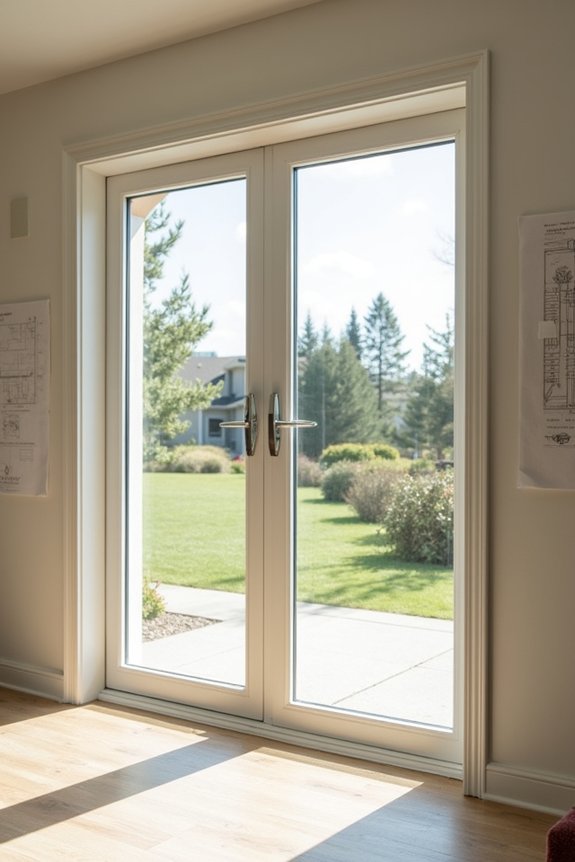
The difference between a straightforward patio door swap and a major renovation project comes down to what’s already in place. I’ve found that simple installations—where your existing opening fits standard door dimensions—typically run $900 to $1,900 total. Labor accounts for $300 to $700 of that cost.
However, when you need structural rewiring or resizing for non-standard openings, expect $1,500 to $4,000. These complex jobs demand wall modifications and added supports, pushing labor costs toward the higher end of that 20% to 60% range.
Add old door removal ($100–$300 extra), and you’re investing in a project that improves your space. Planning for this complexity upfront helps you budget accurately and recognize the skilled installation work required.
Add-On Costs: Premium Glass, Hardware, and Interior Features
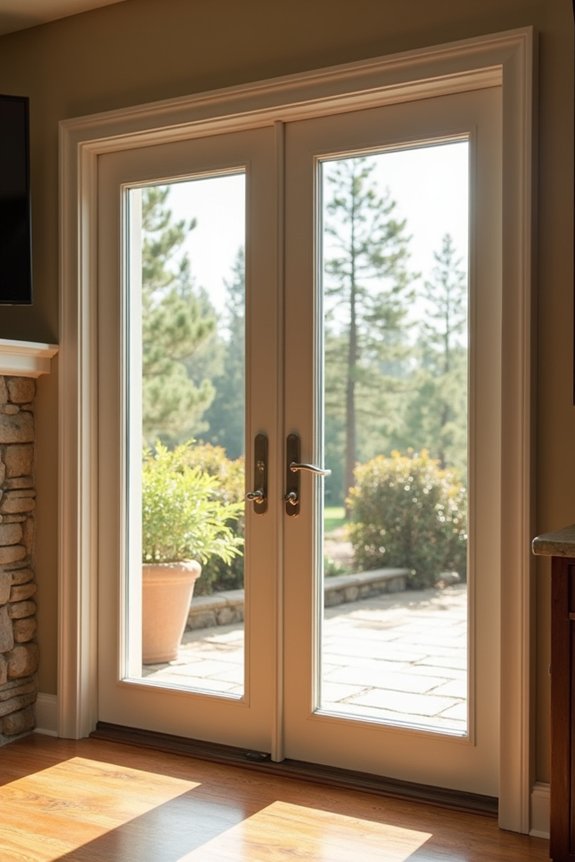
Once you’ve locked in your installation plan, the real customization begins—and that’s where your patio door investment can climb markedly. I’ve found that add-ons transform basic sliding glass doors into premium installations that reflect your home’s style.
Consider these upgrades that’ll reshape your budget:
- Premium glass options like triple-glazing or Low-E coatings significantly boost costs beyond standard double-glazed units
- Advanced hardware including multi-point locking systems and concealed hinges adds material and labor expenses
- Interior features such as built-in blinds between glass require specialized fabrication work
- Custom finishes like black matte frames or non-standard profiles extend lead times and material costs
Sound-blocking features and enhanced security screens push your total installed price even higher. You’re investing in durability, aesthetics, and functionality that’ll serve your home for decades.
How to Get an Accurate Patio Door Quote
Why do so many homeowners end up surprised by their final patio door bill? Hidden add-ons catch people off guard. You’ll want to protect yourself by getting written estimates from at least three installers. This gives you real comparison points for door installation cost and patio door replacement pricing.
Verify credentials first. Check licenses and insurance before discussing anything. Ask each contractor what’s included: the door itself, hardware, labor, disposal, and warranty. Don’t assume—clarify whether framing changes, weatherstripping, or custom sizing costs extra.
Ask direct questions about hidden fees. Some installers bundle everything; others charge separately. Request itemized quotes breaking down material versus labor costs. You’ll notice labor typically runs 20–60% of your total price, so understanding this matters. Compare apples to apples, and you’ll confidently choose your patio door installer.
5 Pricing Traps That Inflate Your Final Bill
When you’re shopping for patio doors, contractors often hide extra charges in the fine print—things like installation fees, material upgrades, and warranty add-ons that can significantly increase your final bill. I’ve seen quotes that looked reasonable until hidden costs appeared, turning a $3,500 project into something much pricier! Let’s break down the three biggest pricing traps so you can spot them before signing on the dotted line.
Hidden Installation Charges
How often have you seen a patio door advertised at $800, only to discover the final invoice reads $2,100?
That gap exists because installation charges hide real costs you won’t see upfront. Here’s what contractors often bury in those fine-print details:
- Removal and disposal of your old door ($100–$300)
- Delivery fees not mentioned in base pricing
- Hardware installation treated as a separate add-on
- Haul-away services for debris and old frames
I recommend requesting a complete, written quote before committing. Ask your installer to list every charge—door, labor, cleanup, and disposal—on one document. This approach protects you from surprises and confirms you’re comparing genuine costs, not misleading advertised prices that leave you scrambling for budget later.
[Note: The word “ensure” does not appear in the provided text, so no replacement was necessary.]
Material Upgrade Upsells
Ever notice how a basic vinyl patio door quote suddenly jumps when you ask about fiberglass or wood-clad options? That’s the material upgrade upsell at work. When you’re calculating your patio doors cost to replace, jumping from vinyl ($600–$1,200) to fiberglass ($1,000–$3,000+) or wood-clad ($1,500–$3,500+) dramatically shifts your budget.
| Material | Base Price Range | Why It Costs More |
|---|---|---|
| Vinyl | $600–$1,200 | Budget-friendly, basic durability |
| Fiberglass | $1,000–$3,000+ | Superior insulation and longevity |
| Wood-Clad | $1,500–$3,500+ | Premium aesthetics and performance |
Add triple-pane glazing, Low-E coatings, or decorative grilles, and you’re looking at even steeper jumps. Decide your priorities upfront—whether energy efficiency or appearance matters most—before discussing upgrades with installers.
Warranty Extension Markup
Why do warranty costs seem to vanish into your total bill, making it nearly impossible to see what you’re actually paying for?
Many installers bundle warranty extensions directly into turnkey pricing, obscuring the true patio doors cost breakdown. Here’s what happens:
- Hidden warranty fees get mixed with labor and materials
- “Lifetime” warranties require annual maintenance or registration fees
- Coverage ambiguity leaves you unsure if product or installation’s protected
- Duration confusion makes comparing quotes difficult
Request a written breakdown separating warranty extension costs from your base quote. Ask specifically what’s covered, how long protection lasts, and whether maintenance’s required. This approach prevents surprise charges later. You’ll know exactly what you’re paying for your patio door investment.
DIY Removal vs. Professional Installation: Which Saves Money?
Should you grab your tools and tackle patio door replacement yourself, or call in a professional? DIY removal might reduce labor costs upfront, but professionals bundle installation, disposal, and warranties into one quote—typically $600–$2,000 for labor plus $600–$2,500 for materials.
Professional patio door installation bundles labor, disposal, and warranties into one quote, typically $600–$2,000 for labor plus materials.
Here’s the catch: improper sealing, frame damage, and voided warranties can turn savings into expensive repairs. Incorrect sizing creates air leaks and water intrusion, leading to hidden costs that exceed initial savings.
For townhouse openings especially, professional installation ensures code-compliant joints and proper alignment. You’re getting experienced hands who stand behind their work, plus cleanup and disposal included.
When you weigh the real risks against modest upfront savings, professional installation protects your investment and your peace of mind.