A privacy fence returns 30% to 70% of installation costs back to your home’s value, with vinyl and cedar outperforming basic chain-link.
Buyers pay more for fenced yards—they sell roughly 18 days faster—because families want security, privacy, and peace of mind for kids and pets.
Your ROI depends on material choice, professional installation, and market type; urban and family-focused neighborhoods see stronger returns.
Well-maintained fences signal responsible ownership and improve property appearance immediately.
There’s much more to explore about timing, location strategy, and long-term value protection.
How Much Value Does a Fence Actually Add?
Wondering if that fence installation will actually pay off when you sell? A privacy fence typically adds 30% to 70% of its installation cost back to your property value, depending on several factors.
Your material choice significantly impacts real estate value. Vinyl fences, cedar, and wrought iron deliver stronger returns than basic chain-link options. You can expect an average ROI of around 50% of installation costs, with premium materials sometimes reaching 70% in the right markets.
Beyond the numbers, your fence improves appearance and perceived security. That matters because homes with fenced yards sell faster—roughly 18 days quicker on average. You’re not just adding value; you’re attracting serious buyers who recognize quality when they see it.
What Buyers Love About Fenced Yards?
When you’re shopping for a home, you’re probably thinking about what matters most to your family—and a fenced yard checks two boxes that really resonate with buyers like you. You get the privacy you want from neighbors, plus that peace of mind knowing your kids or pets have a secure space to play without worry. It’s this combination of personal space and safety that makes fenced properties stand out to families in today’s market!
Privacy From Neighbors
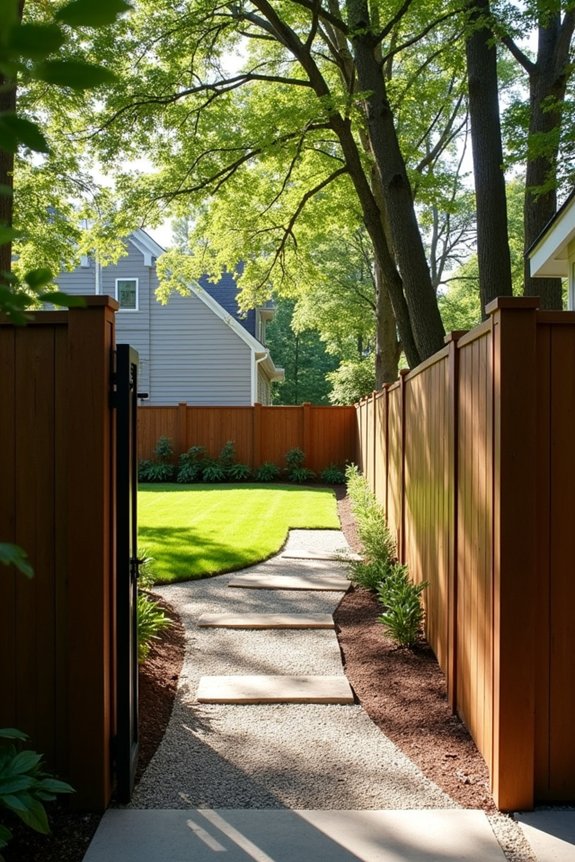
Why do so many homebuyers dream about a fenced yard? Because privacy matters! I’ve found that privacy fences create a sanctuary where you’re shielded from nosy neighbors and passersby. This seclusion boosts your sense of peace and transforms outdoor spaces into personal retreats.
Vinyl privacy fences deserve special attention. They’re low-maintenance champions that provide lasting privacy without constant staining or painting. They signal security while enhancing your home’s exterior appeal considerably.
| Fence Type | Privacy Level | Home Value Impact |
|---|---|---|
| Vinyl Privacy | High | +3-5% |
| Wood Privacy | High | +2-4% |
| Decorative Vinyl | Moderate | +2-3% |
| Chain-link | Low | +0-1% |
| Living Fence | Medium | +1-2% |
Tall, solid panels work best for maximum seclusion and security. When buyers see that defined outdoor retreat, they’re willing to invest more in fenced yards. You’re not just adding a fence—you’re creating home value!
Safe Space For Families
How does a fenced yard function as a practical investment? For families, it becomes a secure haven. A six-foot privacy fence creates the protected perimeter parents need, letting kids and pets move outside without constant monitoring. You’re offering buyers reassurance—that matters considerably.
Quality construction is essential. Self-closing gates with reliable latches and smooth surfaces prevent injuries. Finished materials reduce scraped hands and parental worry. This focus on safety features strengthens your property’s market value.
When families consider your property, they imagine their children playing safely in a defined space. They envision their dogs enjoying outdoor time without risk. That emotional connection leads directly to faster sales—roughly 18 days quicker, according to real estate data.
Your fenced yard represents more than an addition; it’s security and belonging combined.
ROI by Fence Material: Wood, Vinyl, Aluminum, and Composite
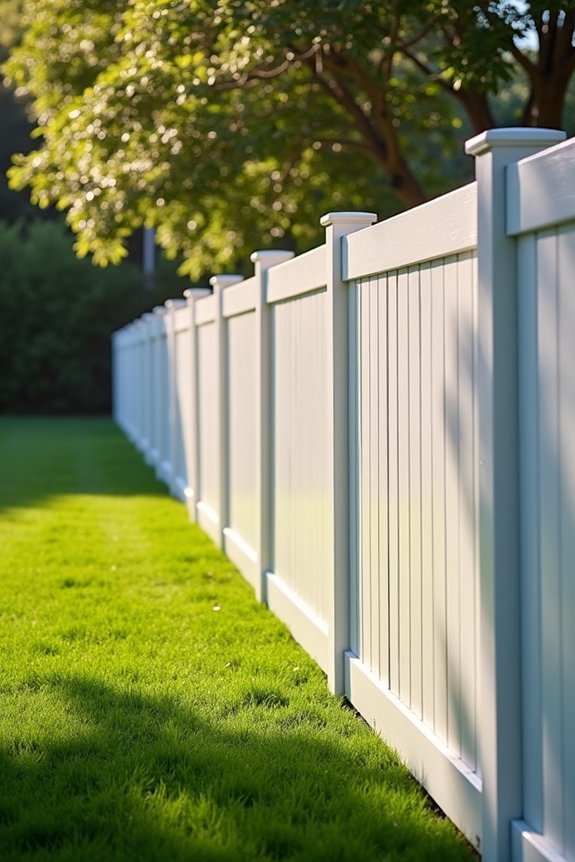
Not all fences deliver the same return on your investment—the material you choose considerably shapes how much value you’ll recover at resale. Vinyl fences typically lead the pack, offering solid ROI through durability and minimal maintenance demands. Wood fences bring meaningful resale value through privacy fencing and aesthetic appeal, though they’ll require your ongoing upkeep. Aluminum fences deliver a high-end look with good durability and relatively low maintenance, boosting market desirability. Composite fences combine impressive durability with lasting aesthetics, yielding strong value retention despite higher upfront costs. Across most markets, well-installed fencing recovers roughly 30% to 70% of installation costs at resale. Vinyl and cedar wood typically perform strongest, making them smart choices if you’re thinking long-term about your property’s value.
How Location and Market Demand Affect Fence ROI
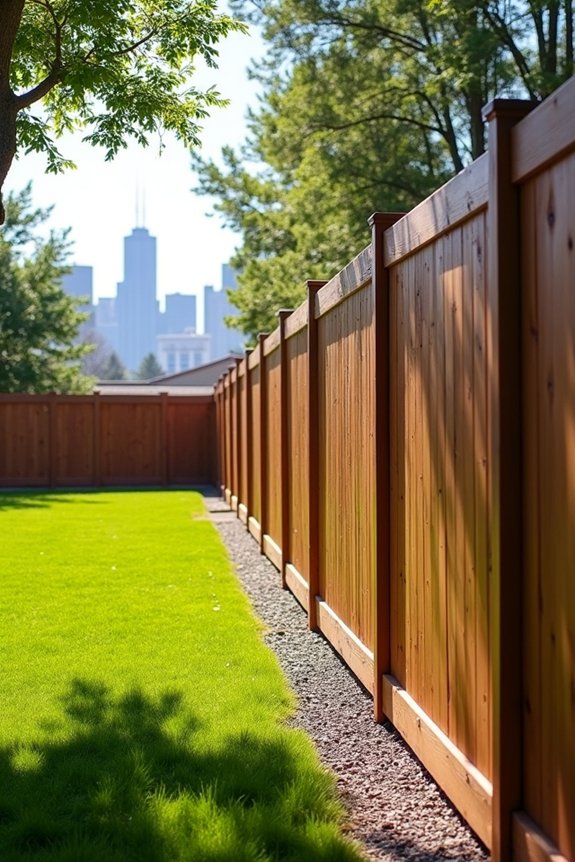
Your fence’s value boost really depends on where you live and what buyers in your area actually want. In dense urban neighborhoods and high-traffic areas, you’ll see stronger ROI because privacy and security matter more to homeowners squeezed together. Market trends shift too—when fences are common in your neighborhood, buyers expect them, which means your investment aligns perfectly with what they’re willing to pay.
Urban Areas Command Premium Value
Why do city homebuyers place such high value on a quality fence? In dense neighborhoods, you’re competing for attention and buyer interest. A well-constructed fence improves your property’s visual appeal and security—two factors urban buyers prioritize heavily.
What makes fences valuable in city markets:
- Faster sales: Fenced yards sell approximately 18 days quicker than unfenced properties
- Privacy solutions: Vinyl, cedar, or wrought iron fences address crowded neighborhood concerns effectively
- Alignment with standards: Fences matching neighborhood norms increase perceived value and buyer confidence
Your fence ROI increases substantially in urban areas because density creates genuine demand. However, don’t skip permitting and codes—these requirements protect your investment and enable smooth transactions. When you follow local regulations, you’re safeguarding both your property value and sale speed.
Neighborhood Demand Drives ROI Potential
When does a fence investment truly pay off? Your neighborhood’s demand directly shapes your fence’s ROI potential. In markets where buyers prioritize privacy and visual appeal, your fence becomes a serious asset. A well-built privacy fence can recover 30% to 70% of installation costs—sometimes exceeding that in high-demand areas!
Your fence value depends on what neighbors expect. Consider these market scenarios:
| Market Type | Fence Appeal | ROI Recovery | Buyer Interest |
|---|---|---|---|
| Family-focused | High | 50-70% | Strong |
| Urban dense | Medium | 30-50% | Moderate |
| Rural/spacious | Lower | 20-40% | Variable |
| Premium suburban | Very high | 60-70%+ | Excellent |
When your neighborhood demands property differentiation, that fence becomes your competitive edge. You’re not just installing barriers—you’re enhancing market value and listing appeal simultaneously. Properties with quality fences sell faster, averaging 18 days quicker. Your investment positions you perfectly within community standards.
Market Trends Shape Fence Returns
How much will your fence actually boost your home’s value? Your fence ROI depends heavily on market trends and real estate market conditions in your area.
Strong markets reward quality fencing investments considerably. Consider these factors that shape your returns:
- Robust buyer expectations in your neighborhood—privacy fences command premium prices where demand’s highest
- Local preferences alignment—what sells in one community may underperform in another
- Fenced yards’ competitive edge—they’re selling roughly 18 days faster than comparable unfenced homes
Your privacy fence might return 30% to 70% of installation costs, sometimes exceeding what you spent. The difference? Market timing and location. Research your local real estate market before investing. Understanding buyer expectations in your specific area helps your fence investment deliver real returns.
When a Fence Doesn’t Add Value
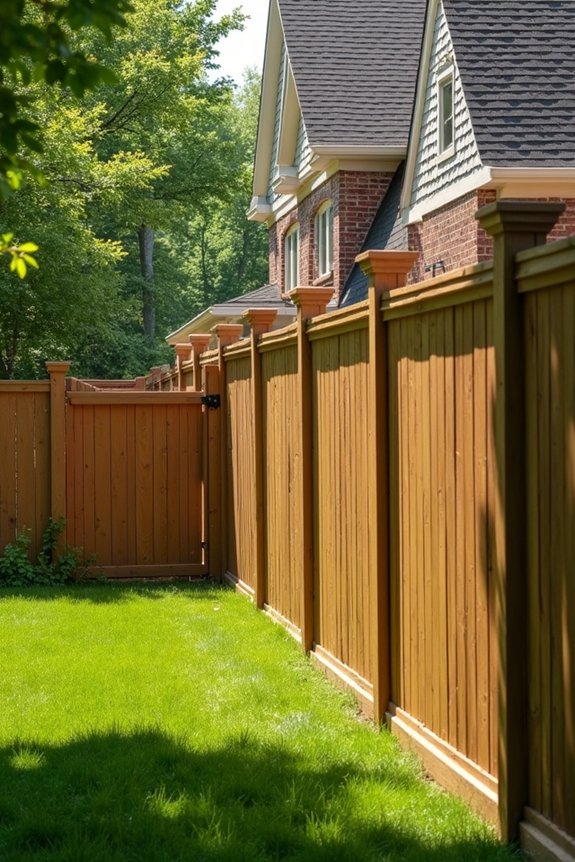
Not every fence you install will increase your home’s resale price, and that’s an important reality to understand before you invest thousands of dollars.
Chain-link fences, though budget-friendly, often reduce property appeal in value-conscious neighborhoods. You’ll also face fence value misconceptions—assuming any barrier automatically increases appraisal considerations. That’s simply untrue.
Neglecting permitting and codes creates serious problems. An unpermitted fence can actually lower your property’s market value and create legal headaches.
Low-maintenance materials like vinyl perform better than poorly maintained cedar, which deteriorates quickly. The privacy vs. aesthetic impact matters too; excessive barriers can feel cramped rather than welcoming.
Location drives everything. Your return on investment depends heavily on market variability and local norms. Before installing a fence, research your specific neighborhood’s expectations and typical returns. Smart planning prevents costly mistakes.
Security and Privacy: What Boosts Home Value Most
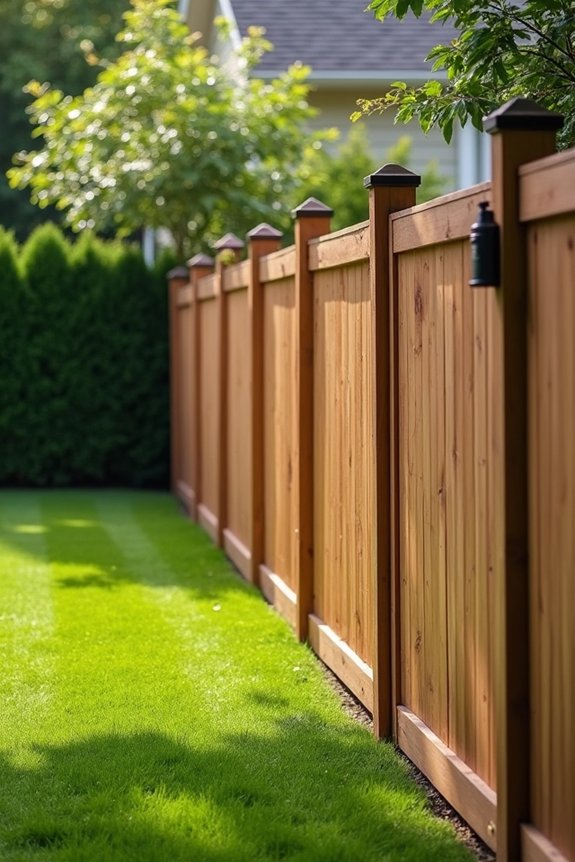
Now here’s where you’ll really see your investment pay off—when you combine security with privacy in ways that buyers actively seek out. A privacy fence signals safety to families with kids and pets, and that perception directly influences how much someone’s willing to pay for your home. You’ll find that the right fence choice—whether it’s low-maintenance vinyl, durable wrought iron, or classic cedar—works alongside smart design (think tall panels with clear sight lines) to create that winning balance between feeling secure and maintaining visual appeal.
Privacy Fence Market Appeal
Why do buyers consistently prioritize yards that feel secure and private? They’re investing in peace of mind. When I talk with real estate professionals, they confirm that homes with privacy fences sell roughly 18 days faster. That’s significant market appeal!
Vinyl privacy fences particularly shine here. Buyers love them because they deliver:
- Low maintenance upkeep—no staining or constant repairs needed
- Weather resistance—they withstand harsh conditions year-round
- Manufacturer warranties—peace of mind built in
Your privacy fence strengthens security perception while improving your property’s visual appeal. That combination directly influences resale value. A well-installed fence typically returns 30–70% of its cost. The height and design matter too—they signal comfort and safety to potential buyers who want belonging in their community.
Security Features Drive Value
Most buyers aren’t just looking for a fence—they’re looking for peace of mind, and that’s where security features matter.
When you install a vinyl fence with professional installation, you’re creating a secure barrier that controls access to your property. This matters for families with kids or pets. Buyers recognize that a fenced yard provides the safety they want without constant worry.
I’ve found that solid panel designs work best for security-conscious buyers. They limit sightlines, making it harder for intruders to assess your home’s interior. Taller fences amplify this benefit even more.
Quality construction directly impacts resale value. A well-maintained vinyl fence signals that you’ve invested in your home’s protection and appearance. That’s the kind of responsible ownership that drives buyer confidence and faster sales.
Buyer Perception And Desirability
What draws buyers to a fenced property goes far beyond the fence itself—it’s the feeling of safety and seclusion that really seals the deal.
When you install a vinyl privacy fence, you’re not just adding a barrier—you’re creating buyer perception that transforms your home’s appeal. Here’s what resonates with potential buyers:
- A tall privacy fence signals protection for children and pets, making families feel secure
- Reduced street noise creates a peaceful outdoor space where buyers imagine relaxing
- Clear property lines demonstrate ownership pride and property definition
Professional installation matters tremendously. A well-constructed fence tells buyers you’ve invested in quality, strengthening their confidence in your property’s overall condition. Your fenced yard becomes an extension of home security, directly influencing resale value and buyer desirability across neighborhoods.
Curb Appeal’s Impact on Perceived Home Value
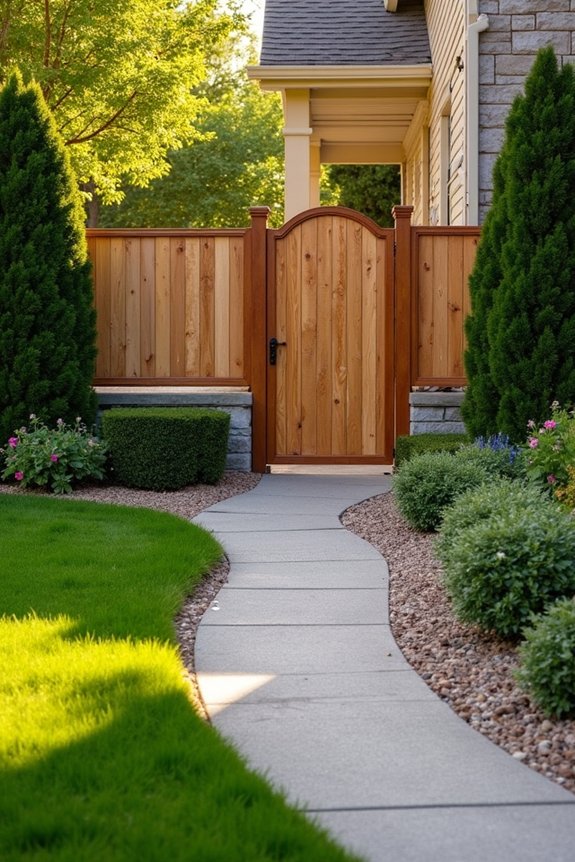
How much difference can a quality fence really make when potential buyers pull up to your home? Substantially. I’ve seen how privacy fencing affects first impressions—buyers notice immediately when a property’s exterior aesthetics are polished and intentional.
Here’s what happens: your fence appears in listing photos, and that visual matters tremendously. High-quality materials like vinyl or wood signal to potential buyers that you’ve invested in your property’s upkeep. This directly influences perceived value before anyone steps foot on the land.
When your fence aligns with neighborhood standards, it creates cohesion that buyers appreciate. The yard privacy your fence provides becomes a tangible selling point. A well-maintained fence tells buyers you care about your home’s overall condition and appearance—and that confidence translates into their willingness to pay more.
How Fence Condition and Maintenance Affect Resale Price
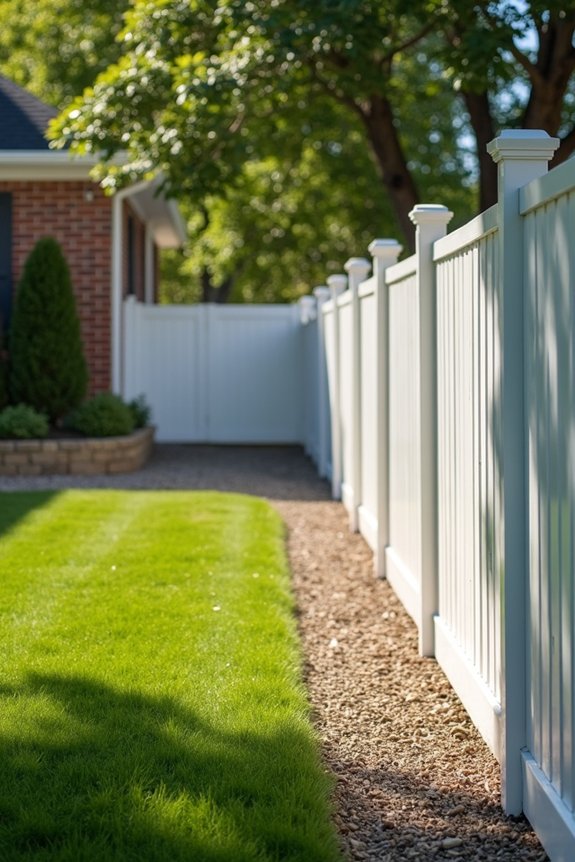
Since your fence is one of the first things potential buyers see, its condition directly determines whether they’ll view your property as well-maintained or neglected.
Your fence is the first impression buyers get—its condition instantly signals whether your property is well-maintained or neglected.
Fence maintenance significantly impacts your resale price. When you invest in regular upkeep, you protect your property’s visual appeal and prevent value loss. Here’s what matters most:
- Visible damage like crooked lines, loose gates, and worn posts signals neglect and slows resale prospects
- Material durability varies—vinyl and cedar require less ongoing maintenance than untreated wood or deteriorating metal
- Professional installation combined with routine repainting and staining preserves condition and maintains buyer confidence
Your fence condition and material choice work together to influence perceived home value. Professional installation paired with consistent care typically delivers about 50% to 70% ROI. That’s real money protecting your investment.
Professional Installation vs. DIY: Which Protects Your ROI?
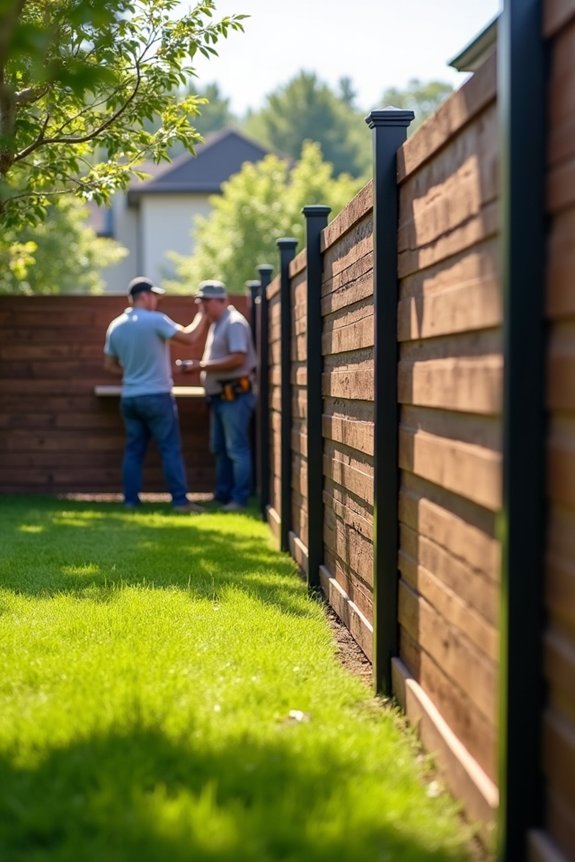
Professional Installation vs. DIY: Which Protects Your ROI?
You’ve learned that fence condition shapes buyer perception—now it’s time to examine the decision that determines that condition from day one: whether you’ll hire professionals or build it yourself.
| Factor | Professional Install | DIY Approach |
|---|---|---|
| Appearance | Precise, level lines | Risk of crooked posts |
| ROI Recovery | ~50% on vinyl/cedar | Lower resale value |
| Permits & HOA | Handled by pros | Your responsibility |
| Future Costs | Minimal maintenance | Potential costly fixes |
Professional installation delivers straight lines, stable posts, and proper code compliance—all protecting your resale value. You’ll recover roughly 50% on quality vinyl or cedar fences professionally installed. DIY risks crooked lines and structural issues that buyers notice immediately, potentially slowing your sale. Pros handle permits and HOA requirements too, eliminating regulatory headaches that could diminish perceived value.
Timing Your Fence Installation for Maximum Return
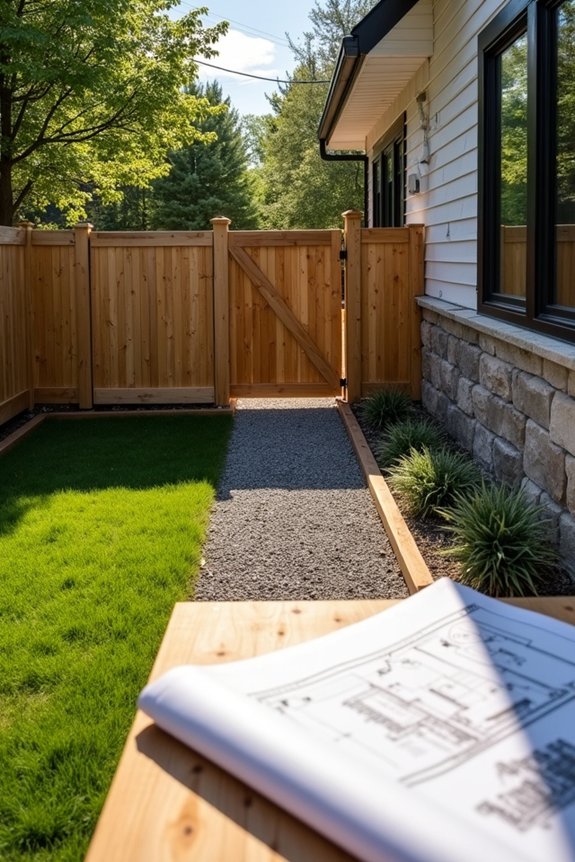
When should you actually install that fence to get the best payoff when you sell? Timing your fence installation matters for maximizing your resale value.
Install your fence 2–3 years before selling. Here’s why this window works:
- Creates a lived-in look – Your fence blends seamlessly with other property improvements rather than appearing rushed
- Allows weathering – Premium materials like vinyl or cedar age gracefully, showing buyers you’ve maintained everything
- Builds neighborhood perception – Neighbors see your commitment to the area, which influences market conditions positively
Professional installation protects your ROI better than DIY work when you’re planning ahead. Strong real estate markets reward patience—fenced yards sell roughly 18 days faster. By planning ahead, you’re not chasing quick gains. You’re investing strategically in lasting value.
Maximizing Long-Term Fence ROI: Maintenance and Upgrades
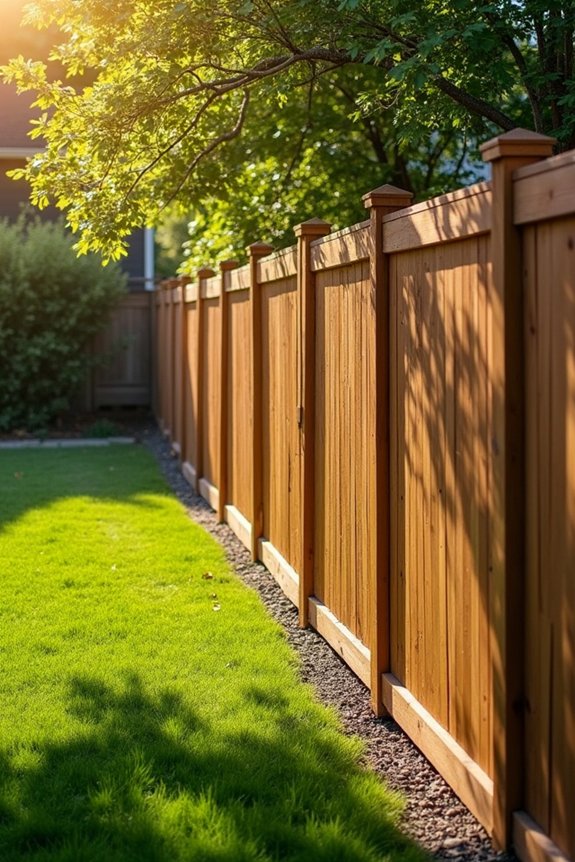
Installing your fence strategically sets the foundation for value, but what happens after installation determines whether that investment truly pays off. You’ll want to protect your ROI through consistent maintenance that prevents warping, rot, and fading—all threats to property appearance.
Here’s the approach: choose durable, low-maintenance materials like vinyl fencing. Unlike wood, vinyl resists damage and demands minimal upkeep, stretching your dollars further over time. Professional installation matters too. Straight lines and proper footings ensure your fence looks sharp and lasts longer, directly boosting resale value.
Consider upgrades strategically. A well-maintained fence signals security and privacy to buyers, potentially accelerating sales. You’re not just maintaining property—you’re building confidence in your home’s worth. Small consistent efforts compound into significant long-term gains.