
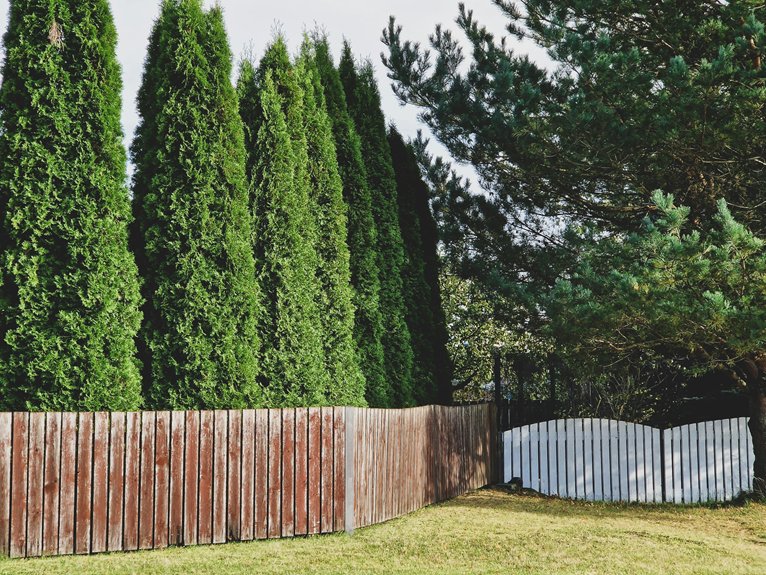
I’d recommend six feet as your privacy fence sweet spot—it blocks views while letting light and air flow through. If you’re on a busy street or dealing with two-story neighbors, eight feet offers extra screening.
Front yards typically max out at three to four feet, while backyards allow six feet in most areas. Check your local codes and HOA rules first, then talk with neighbors before building.
The right height balances privacy with compliance, and understanding material options like vinyl or solid wood will help you decide what works best for your specific situation.
What Local Height Limits Apply to Your Fence?
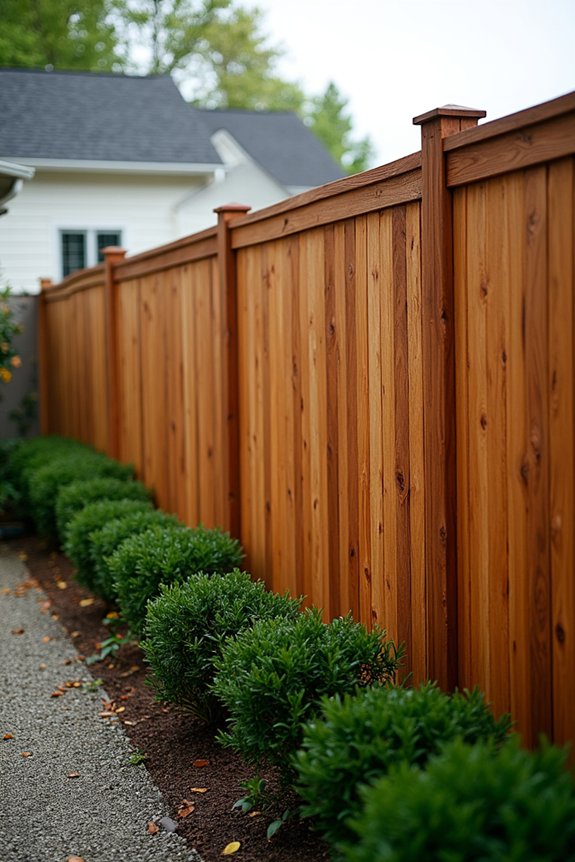
Have you checked your local fence regulations yet? Understanding your local codes is essential before building. Most front yards allow 3–4 feet, while backyards typically permit up to 6 feet. Some areas allow 7–8 feet with permits or variances.
Your local codes may include corner-lot visibility rules and easement restrictions affecting placement and height. These fence height regulations protect sightlines and property access. If you live in St. Louis or nearby Missouri communities, expect similar guidance: 6 feet for backyards, 3–4 feet for front yards.
Contact your local building department to verify specific permit requirements for your address. They’ll clarify what you need before installation begins. This prevents costly mistakes and keeps your privacy fence compliant with regulations.
6 Feet: The Standard Privacy Fence Height
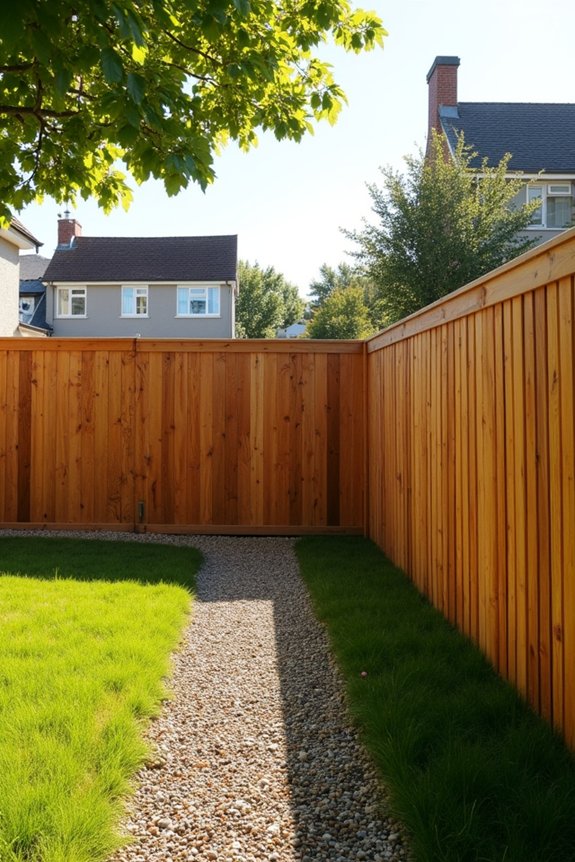
Why consider 6 feet for your backyard privacy fence? This height delivers the privacy you need without sacrificing airflow or natural light. Solid styles like stockade, board-on-board, or tight horizontal slats create an effective barrier.
What makes 6 feet practical: it’s the standard most jurisdictions allow without requiring permits. Unlike front yard limits of 3–4 feet, your backyard receives real protection. Many homeowners have selected this height for genuine seclusion.
That said, regulations vary by city and HOA. Check your local codes before installing. You’ll find that 6 feet balances privacy with compliance, giving you peace of mind and quiet.
8 Feet: When You Need Extra Privacy or Height
If 6 feet doesn’t quite cut it for your situation, an 8-foot privacy fence might be the answer you’re looking for. This height delivers exceptional privacy when you’re dealing with busy streets, sloped yards, or two-story neighbors peering down into your space.
I’ll be straight with you: taller fences mean higher material and labor costs. You’re also looking at permits or height-restriction reviews in many areas, so check your local codes and HOA rules first.
For solid privacy at this height, you’ll want solid wood stockade or board-on-board fencing, or tight vinyl panels. They block sightlines effectively without gaps. Before committing, verify your property boundaries and local regulations. Getting this right upfront saves headaches later.
4 to 5 Feet: Containment Without Full Screening
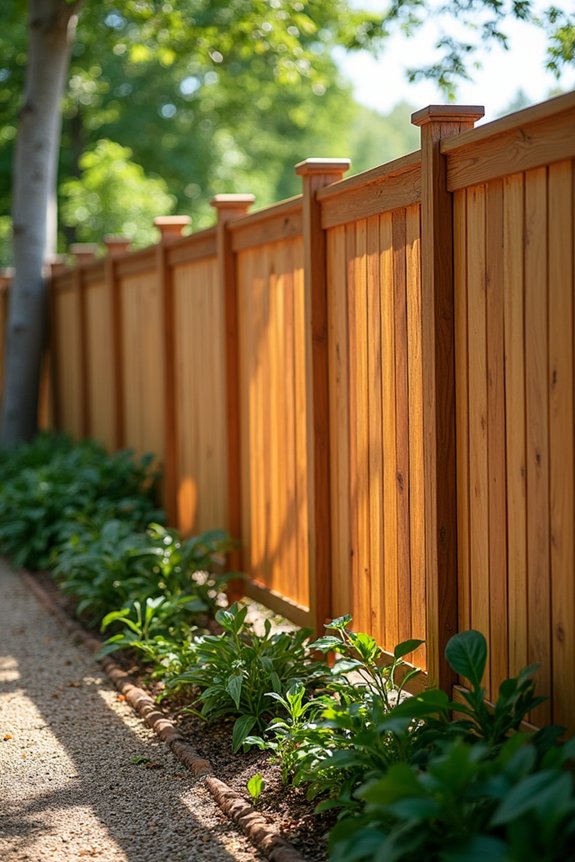
If you’re building a fence primarily to keep your kids and dogs safely contained rather than block views completely, a 4 to 5 foot height gives you exactly what you need. You’ll also find that most jurisdictions require pool fences to meet at least the 4 foot minimum, making this height range the standard for compliance in many areas. This option lets you maintain some visibility while still creating a clear boundary—ideal when safety matters more than total privacy.
Kids And Pet Safety
When you’re installing a fence primarily to keep children and pets safely contained rather than block views entirely, a 4 to 5 foot height strikes a practical balance.
This range works well because it prevents kids and dogs from escaping while maintaining sightlines for supervision. Many jurisdictions require at least 4 feet near pools, confirming that height rules prioritize safety. Your privacy fences don’t need maximum height for containment—just enough to discourage climbing.
| Consideration | 4-Foot Fence | 5-Foot Fence |
|---|---|---|
| Child containment | Good | Excellent |
| Pet control | Effective | More secure |
| Supervision sight lines | Clear | Slightly reduced |
| Local compliance | Often meets codes | Exceeds most requirements |
Check your local regulations first. They’ll guide whether 4 or 5 feet suits your family’s needs best.
Local Pool Fence Rules
While a 4 to 5 foot fence keeps your kids and pets safely contained, pool areas demand specific height requirements that go beyond general safety—they’re legally mandated in most places. Most jurisdictions require a minimum 4-foot pool fence height for proper containment and accident prevention.
Your local zoning regulations might require additional features like self-closing, self-latching gates regardless of your privacy fence design. Some areas accept chain-link with privacy slats instead of solid barriers, so full screening isn’t always necessary.
Check with your local building department about specific pool fence height requirements and permit rules in your area. Requirements vary significantly by region, and you’ll want to ensure complete compliance before installing. This step prevents costly corrections later.
Front Yard vs. Backyard: Height Rules That Differ
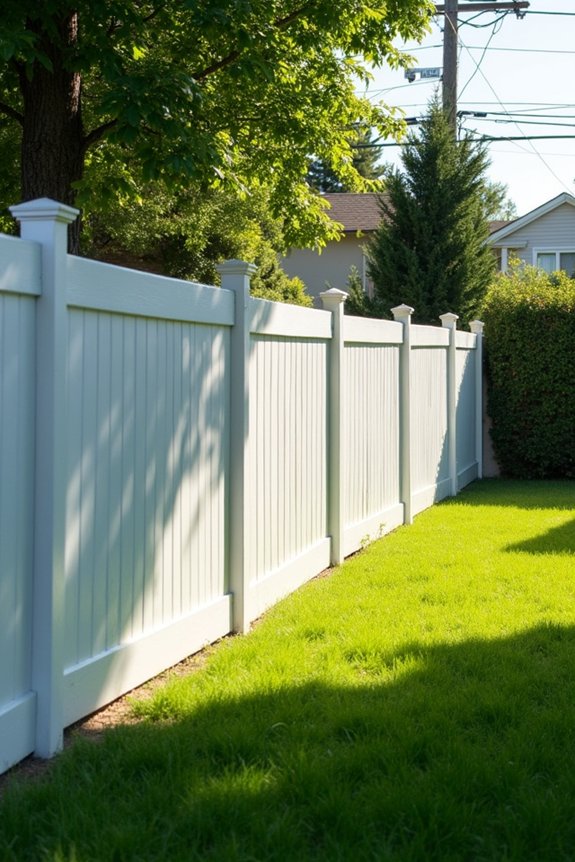
Why does your front yard fence need to be shorter than your backyard one? Local height restrictions differ markedly between these spaces. Your front yard typically allows 3–4 feet because municipalities prioritize sightlines and neighborhood aesthetics. Backyards offer more privacy, permitting up to 6 feet in most areas.
| Location | Typical Height | Permits Required | Key Consideration |
|---|---|---|---|
| Front yard | 3–4 feet | Usually no | Visibility/curb appeal |
| Backyard | Up to 6 feet | Often no | Privacy needs |
| Corner lots | Varies | Check local codes | Sightline restrictions |
| With variances | 7–8 feet | Yes | Special approval needed |
Corner lot properties face additional sightline considerations that restrict height restrictions further. Contact your local building department or HOA to confirm exact regulations for your property before installation begins.
How Material and Style Affect Privacy at Every Height
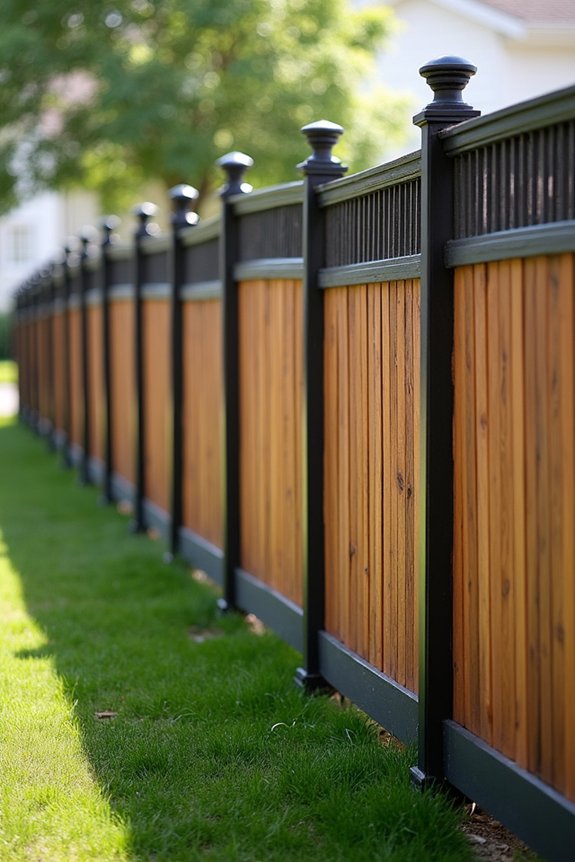
the material you choose matters just as much as how tall your fence stands. At 6–8 feet, you’ve got solid options that deliver real privacy.
Wood stockade and board-on-board styles create strong visual barriers while allowing airflow. Vinyl offers low-maintenance privacy without warping concerns. Both materials work well at standard heights.
But here’s the key detail: gaps between panels matter more than height alone. Tighter spacing significantly improves perceived privacy, so pay attention to this during installation.
Want to improve your home’s appearance? Add lattice toppers without sacrificing privacy at taller heights. They enhance your home’s look while maintaining sightline protection.
Chain-link fences? Consider adding slats or screens for privacy that matches your style and budget.
Check Your Property Line Before You Build
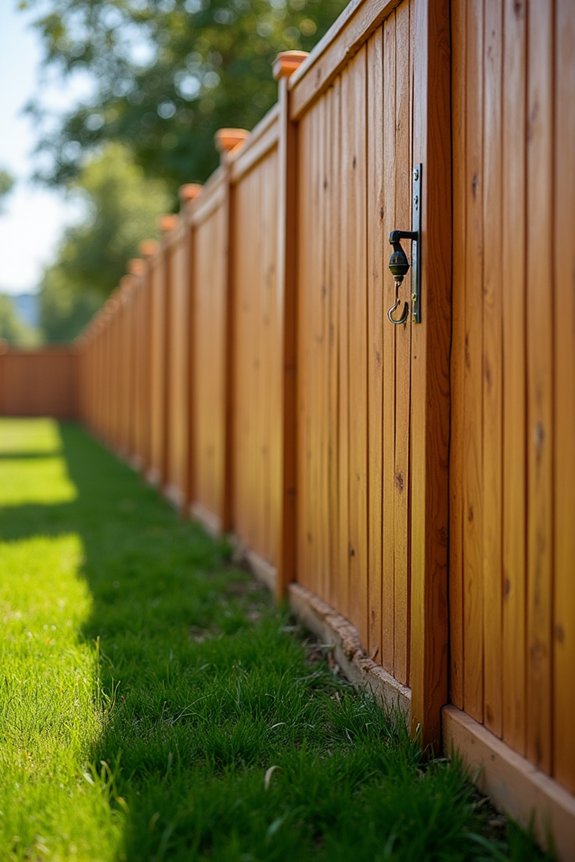
Before you drive the first post or order materials, know exactly where your property line sits.
Assumptions about boundaries cause real problems. Here’s what you need to do:
- Hire a professional surveyor to determine exact boundary lines, not guesses
- Build 1 to 2 feet inside your property to avoid encroachment issues
- Check local codes for setback requirements in your area
- Review HOA rules if your neighborhood has them
- Get permits before construction starts
A boundary survey costs less than fixing disputes or removing an improperly placed fence later. You’re protecting your investment and your relationship with neighbors. Taking this step upfront demonstrates a commitment to following proper procedures.
Getting HOA Approval for Your Fence Plan
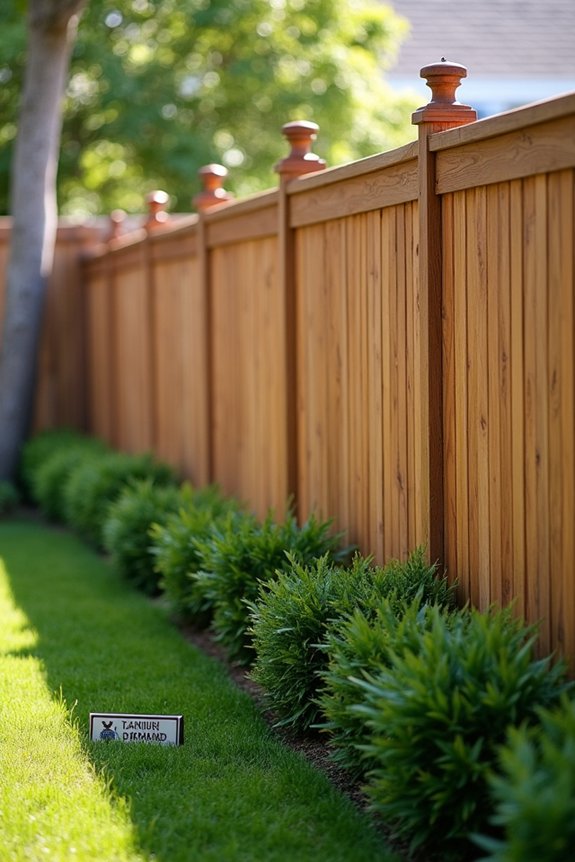
Once you’ve confirmed your property lines, you’ll need to check if your HOA has a say in your fence plans—and they often do. Many homeowner associations enforce stricter rules than local codes, sometimes limiting front-yard fence heights to 3–4 feet for consistency.
Many HOAs enforce stricter rules than local codes, often limiting front-yard fences to 3–4 feet for neighborhood consistency.
Before breaking ground, review your community’s covenants and approvals requirements. Most HOAs require detailed submittals including dimensions, materials, and exact location relative to property lines. You’ll submit these plans for review, and the association may request revisions to meet their architectural standards.
This process typically takes several weeks. Getting HOA approval upfront prevents costly mistakes—failing to obtain consent can result in fines or removal orders. Work with your community to create a neighborhood you’re all proud of.
Talk to Your Neighbors First
Your neighbors will notice your fence whether you tell them or not—so you might as well start the conversation before construction begins. Early communication prevents misunderstandings and builds community trust. When you discuss your fencing plans upfront, you’re showing respect for the people who’ll see your fence daily.
Consider these communication steps:
- Share your fence height requirements and design ideas
- Listen to their privacy concerns and aesthetic preferences
- Explain how the fence benefits both properties
- Address any questions about materials or installation timing
- Offer a fence etiquette letter as a formal introduction
Getting neighbor input while you’re still flexible helps everyone feel heard. You might discover adjustments that work better for both yards. This collaborative approach transforms a construction project into a shared decision, preventing future disputes and strengthening neighborhood relationships.
Privacy Materials That Work at Your Target Height
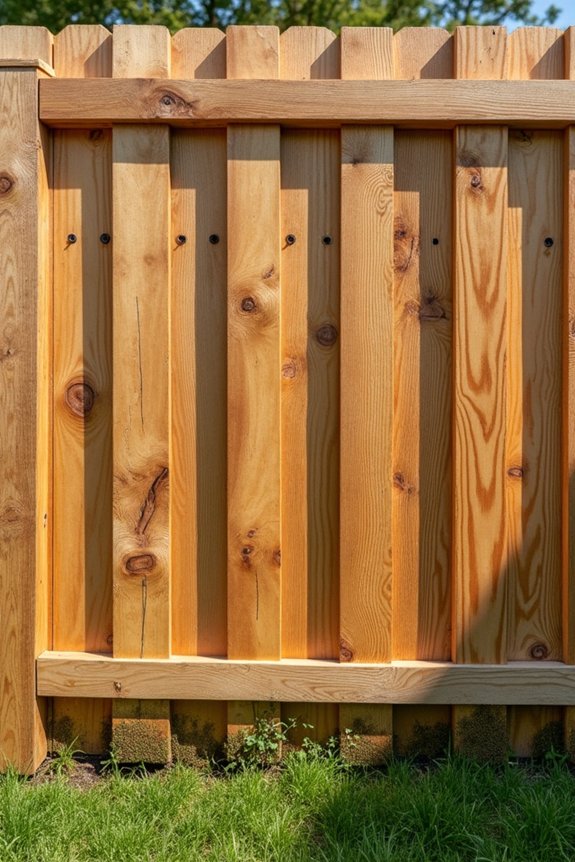
Once you’ve settled on your ideal height with your neighbors, you’ll want to choose materials that actually deliver the privacy you’re after at that specific measurement. Wood and vinyl are your two main options here, and each one performs differently depending on whether you’re building a 6-foot stockade fence or pushing up to 8 feet for maximum screening. Let’s examine how each material functions for your privacy needs.
Solid Wood Fence Options
When it comes to creating a genuine privacy barrier, solid wood fences like stockade and board-on-board styles deliver what you’re looking for. These options give you the dense, gap-free coverage you want for real privacy.
What makes solid wood fences work:
- 6 to 8 feet tall provides strong privacy coverage that blocks most sightlines
- 6-foot height offers excellent privacy while maintaining reasonable airflow and daylight
- Board-on-board and stockade styles create thick, solid barriers without visible gaps
- 3 to 4 feet works for front yards when you need less privacy
- Periodic maintenance keeps your fence looking great—plan for staining or sealing
The height you choose depends on your privacy needs and local regulations. A 6-foot solid wood fence strikes that ideal balance between blocking views and keeping your yard feeling open.
Vinyl Privacy Fence Benefits
If you’re tired of the maintenance demands that come with wood, vinyl privacy fences offer a compelling alternative that delivers solid, view-blocking coverage without the headaches. I’ve found that vinyl at standard 6-foot fence height provides excellent privacy while resisting warping, rot, and weather damage that plague wooden alternatives.
What makes vinyl especially appealing is its tight panel design—those minimal gaps mean you’re genuinely blocking views, even at 6–8 feet. Unlike wood that expands and contracts seasonally, vinyl maintains consistent privacy year-round without splitting or buckling.
If HOA regulations restrict your fence height, don’t worry. A 4–6 foot vinyl fence still delivers strong privacy, and you can enhance it with lattice toppers or capped panels for visual appeal. You’re getting durability and aesthetics together—that’s the vinyl advantage.
Can You Add Height to an Existing Fence?
You can absolutely boost your fence’s height without starting from scratch. Adding height is totally doable with the right approach.
Your Height-Boosting Options:
- Install fence extensions or toppers that add roughly one extra foot
- Choose custom fence extensions for significant height increases
- Replace individual panels while keeping existing posts
- Evaluate your posts’ structural integrity before adding weight
- Verify local codes and HOA restrictions first
Before you grab your tools, assess whether your current posts can handle extra load—sagging fences aren’t fun! Check those building permits and neighborhood guidelines to stay compliant. Once you’ve confirmed everything’s structurally sound and approved, you’re ready to enhance your privacy. Just ensure the finished side faces your neighbors appropriately, and you’ll have the taller fence you’ve been wanting!
Hiring a Fence Contractor: Questions to Ask
Before you commit to a contractor, you’ll want to verify their experience with your chosen material and ask for references from recent projects that match your fence height and privacy needs. Request their licensing information, insurance coverage, and a clear project timeline—including how long permits typically take in your area and whether they’ll handle the application process themselves. Getting these details upfront helps you avoid surprises and ensures you’re working with someone qualified to navigate local height restrictions and complete your privacy fence project.
Experience And Licensing
How do we understand a fence contractor’s actually qualified to build the privacy fence we’re envisioning? I’d recommend verifying their credentials before signing anything. You’ll want to confirm they’re prepared to handle your project professionally and legally.
Here’s what I check with every contractor:
- Licensing status in your state and local area
- Insurance coverage protecting both parties during construction
- Prior experience with your specific fence type and height requirements
- References from similar residential projects they’ve completed
- Permit knowledge and whether they handle applications
Ask contractors directly about their experience with privacy fences at your desired height. Request examples of past work at comparable lot sizes. This gives you confidence they’ll deliver quality results while meeting all local regulations and inspection timelines.
Project Timeline And References
Once I’ve confirmed a contractor’s licensing and insurance, I shift my focus to understanding their workflow and what they’ve actually delivered for past clients.
I request a detailed project timeline with clear milestones: design approval, material delivery, post installation, and final inspection. This roadmap keeps everyone aligned on expectations.
Next, I ask for references—ideally clients who installed privacy fences similar to my project. Speaking directly with past customers reveals how contractors handle challenges and whether they respect privacy height requirements and permit regulations.
I also confirm communication frequency throughout the project. Do they update weekly? Will they address permit delays proactively?
Finally, I verify the expected completion date and warranty coverage. Understanding their accountability protects my privacy fence investment long-term.