Transforming your garden space can be as simple as adding the right flower bed edging.
With a wide variety of eco-friendly and sustainable options available, you can create borders that enhance your garden’s beauty while being kind to the planet.
In this article, you’ll discover over 30 unique flower bed edging ideas that not only elevate your garden’s aesthetics but also bring a touch of nature’s creativity into your landscaping. Let’s dive into these inspiring ideas and help you find the perfect edge for your blooming paradise!
1. Recycled Brick Edging
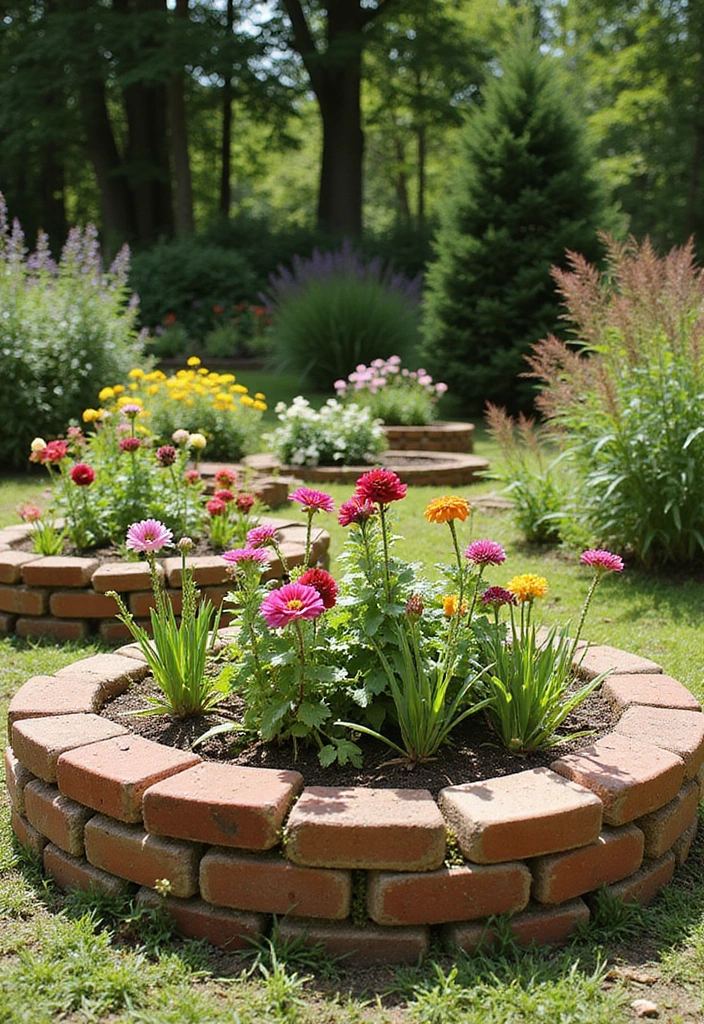
Using recycled bricks as flower bed edging adds a rustic charm to your garden.
Not only are you reusing materials, but the warm tones of the bricks harmonize beautifully with vibrant flower colors.
You can lay them out in a straight line for a clean look or create curves to soften the edges.
Consider planting creeping thyme or moss in between the bricks to create a lush, green effect that spills over the edges.
Tip: Use a level to ensure the bricks are evenly placed to avoid any tripping hazards.


2. Natural Stone Borders
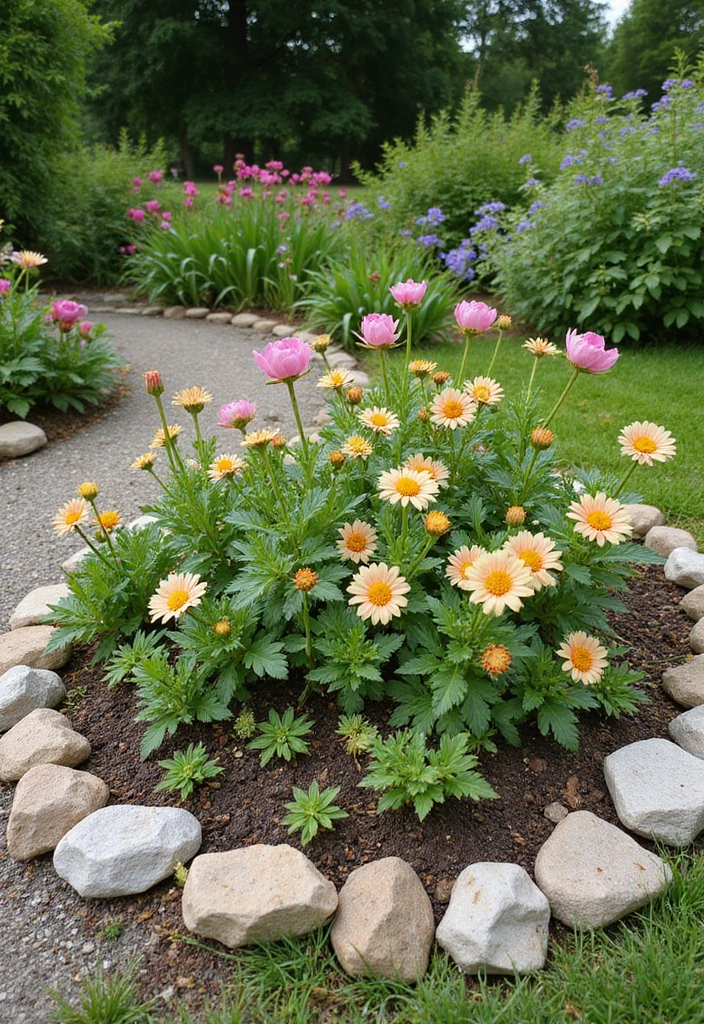
Natural stones offer a timeless option for edging that blends effortlessly with your garden’s landscape.
These stones come in various sizes and textures, allowing you to create a unique border that stands out yet complements the flowers.
You can stack them irregularly for a more organic feel or arrange them neatly for a structured look.
For added sustainability, consider sourcing locally found stones.
Insight: Integrating small spaces between stones can invite tiny critters, promoting biodiversity in your garden.


3. Wooden Edging
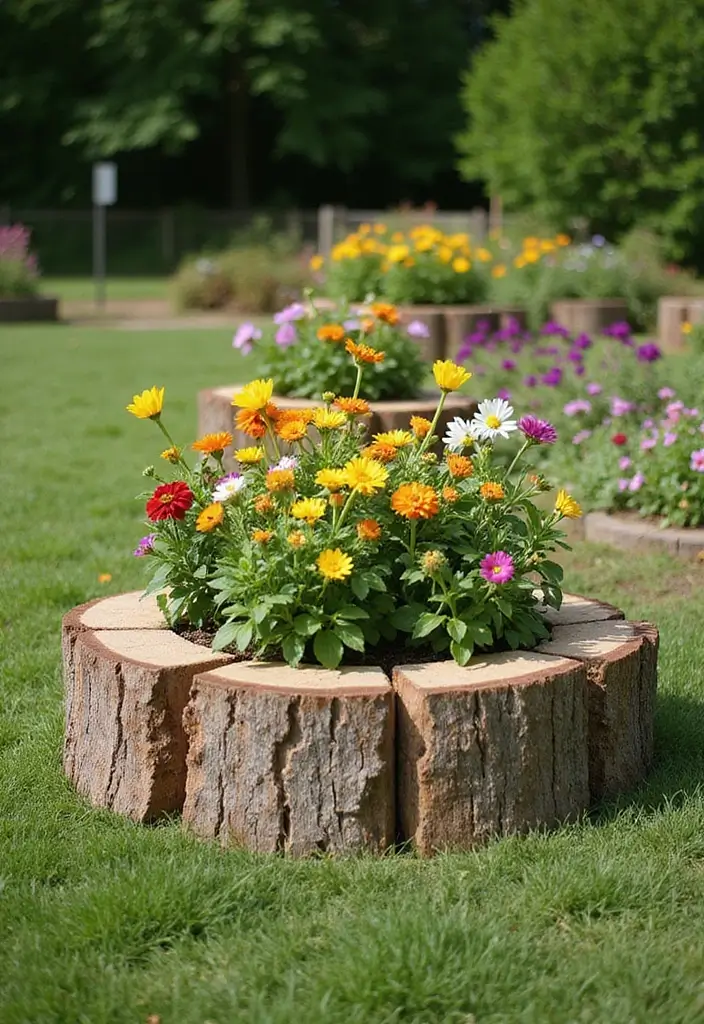
Wooden borders can add a natural and warm touch to any flower bed.
You can use reclaimed wood, which not only looks great but also reduces waste.
There are countless styles to choose from, such as logs, planks, or even wooden pallets.
To enhance durability, consider treating the wood with an eco-friendly sealant to protect it from the elements.
Tip: Mix different types of wood for an eclectic, textured look that adds depth to your garden design.


4. Living Plant Edging
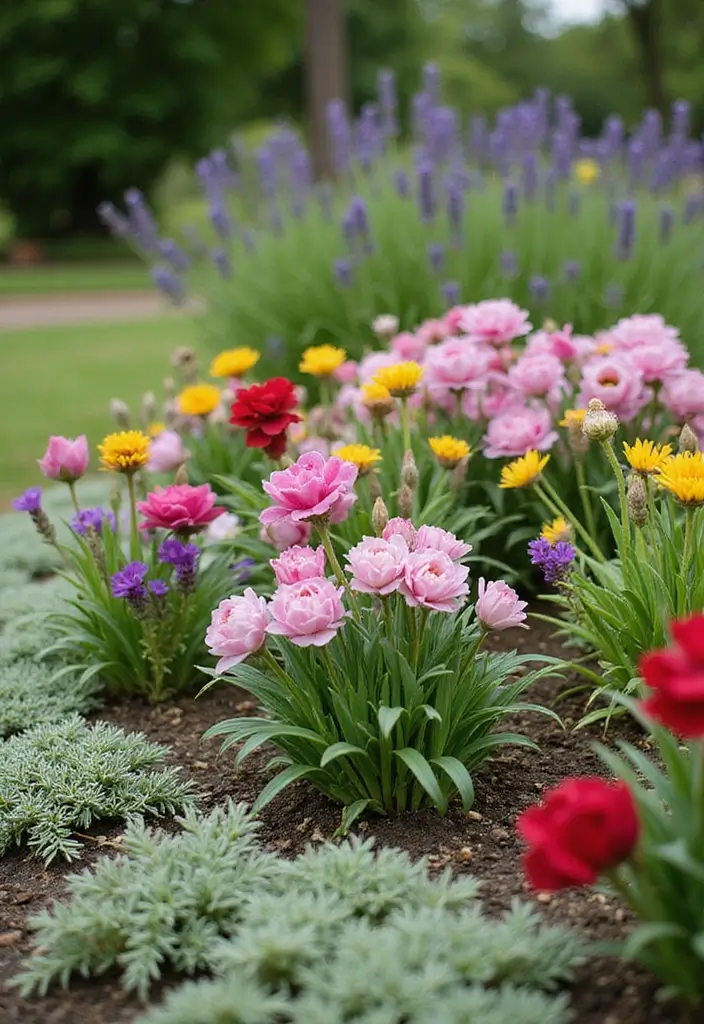
Why not let nature itself dictate your borders? Living plant edges can be beautiful and functional.
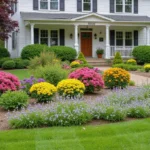
Plants like lavender, rosemary, or low-growing sedums can create a lovely natural border.
This method not only defines the space but also provides aromas and habitats for pollinators.
Consider alternating flowers and herbs for different textures and scents throughout the growing season.
Tip: Ensure the plants you choose are suitable for your climate and growing conditions for the best results.

5. Concrete Edging
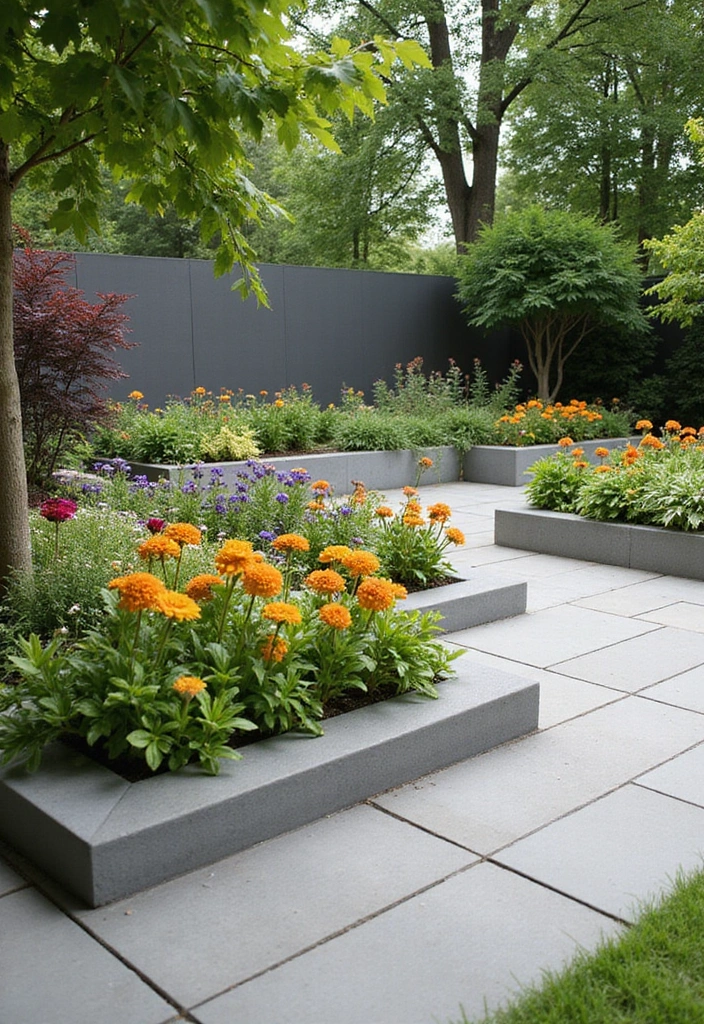
For a modern and sleek look, concrete edging offers both durability and versatility.
You can choose from pre-cast concrete blocks or create your own with molds, allowing you to customize shapes and sizes.
This option is excellent for defining more contemporary gardens with sharp lines.
Incorporating colors or textures into the concrete can bring visual interest to your flower beds.
Insight: Use a sealer to maintain the appearance and longevity of your concrete edging through various weather conditions.
6. Gravel Edging
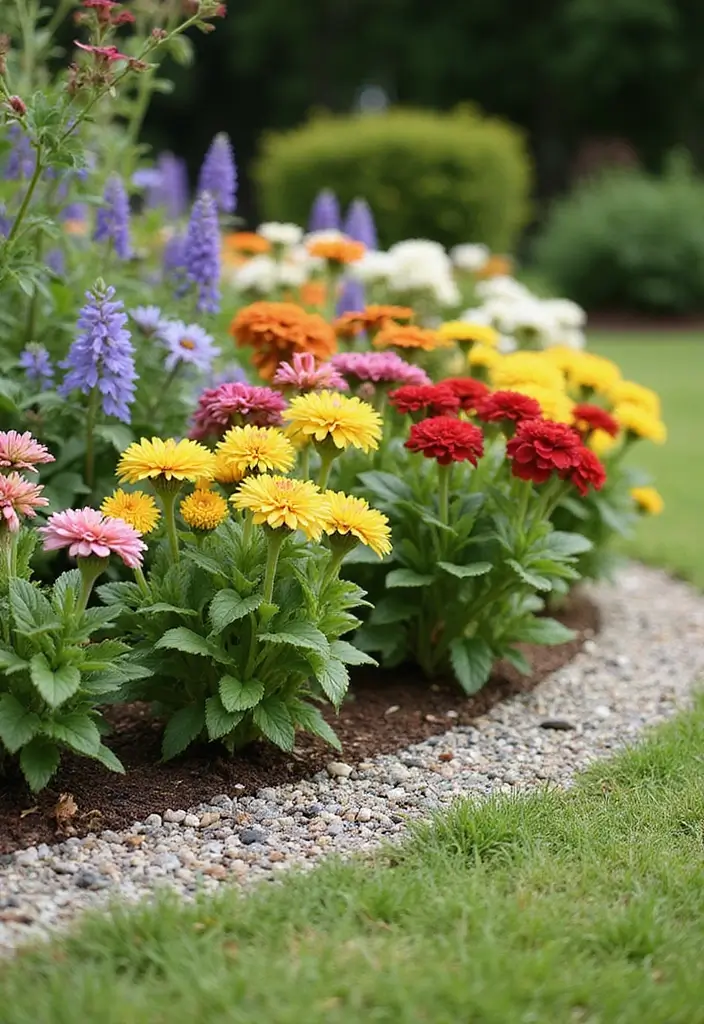
Gravel is an incredibly versatile and eco-friendly option for garden edging.
This material can create clean lines and improve drainage while giving your garden an airy feel.
You can choose various colors and sizes to match your flowers or overall garden aesthetic.
Consider mixing small stones with larger ones for a textured look or using landscaping fabric underneath to keep weeds at bay.
Tip: A small wooden or stone barrier can help hold the gravel in place while still allowing water to flow through.
“Your garden deserves a stylish edge! Gravel not only creates clean lines but also enhances drainage, making it a beautiful and eco-friendly choice for your flower bed edging ideas.”


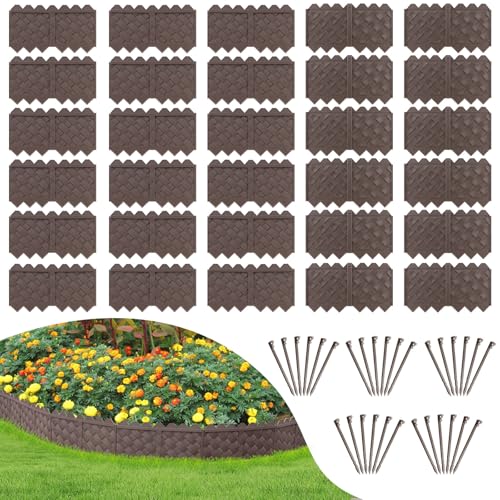
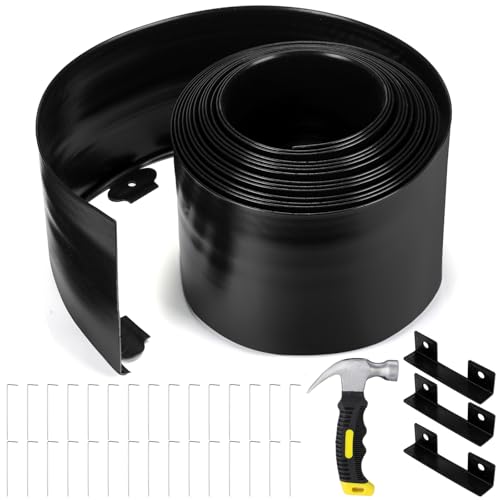
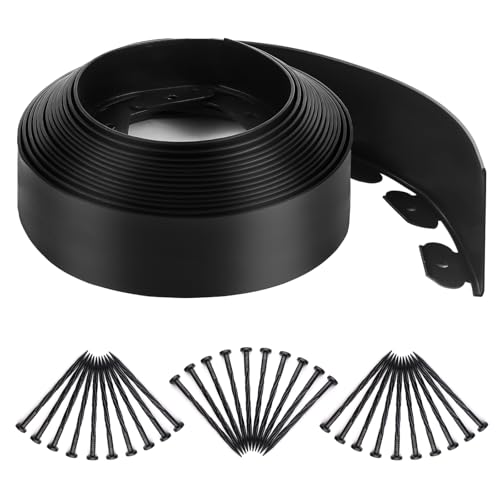
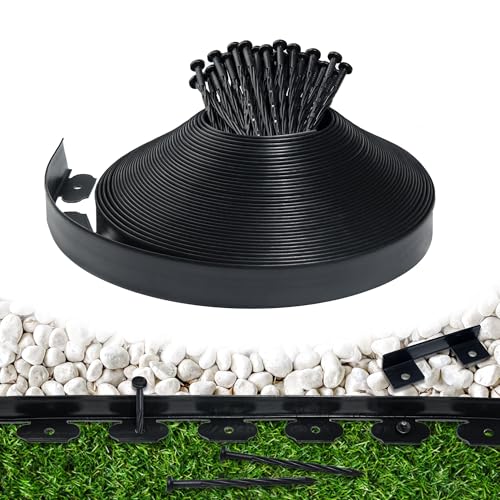
7. Eco-Friendly Plastic Borders
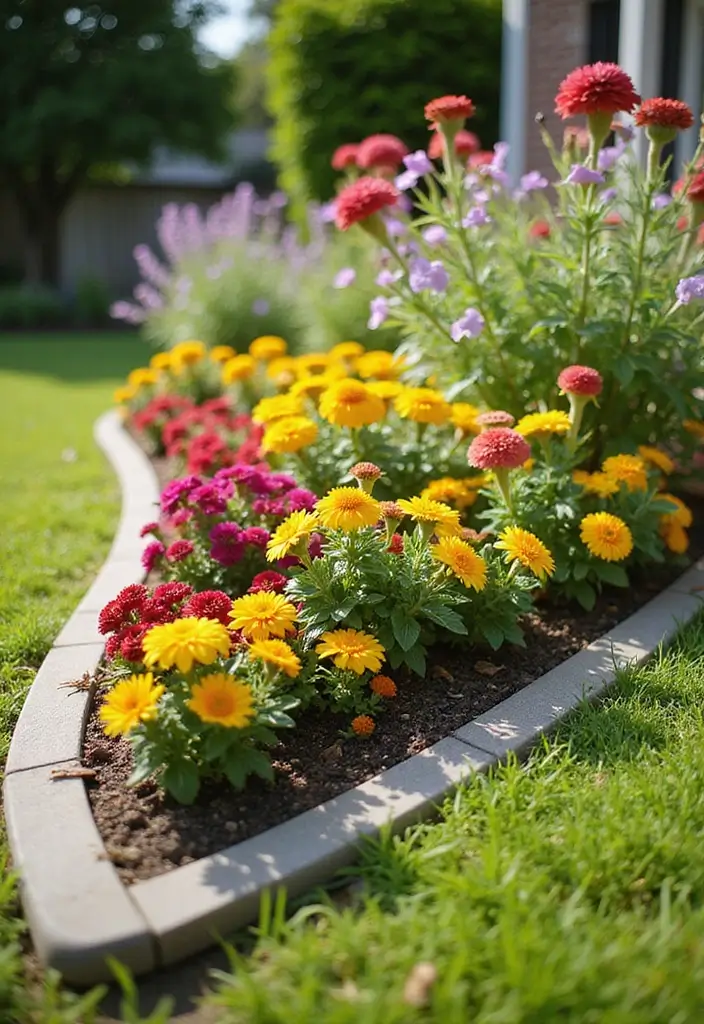
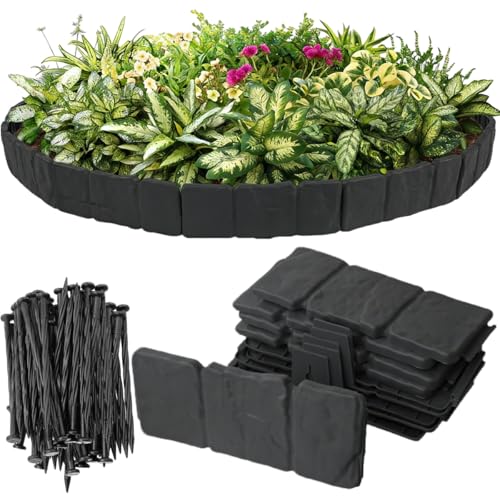
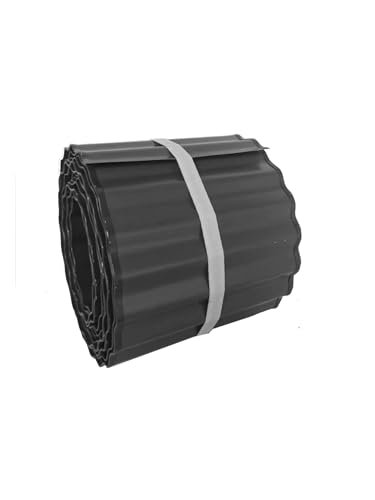
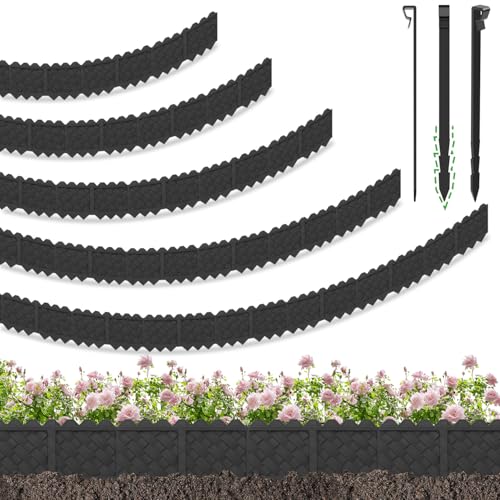
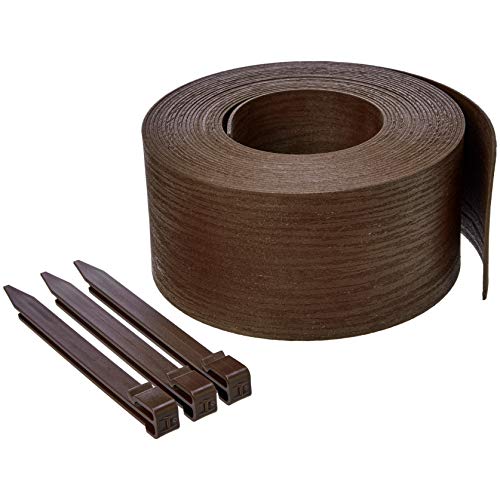
Though plastic often gets a bad rap, eco-friendly options are emerging on the market that are made from recycled materials.
These plastic borders can mimic wood or stone, offering a clean, low-maintenance solution to flower bed edging.
They come in various shapes and sizes, making them easy to install.
Installation is a breeze—simply stake them into the ground to create an invisible barrier for weeds while still looking stylish.
Tip: Look for products that are UV-resistant to ensure they maintain their color and shape over time.

8. Upcycled Glass Bottles
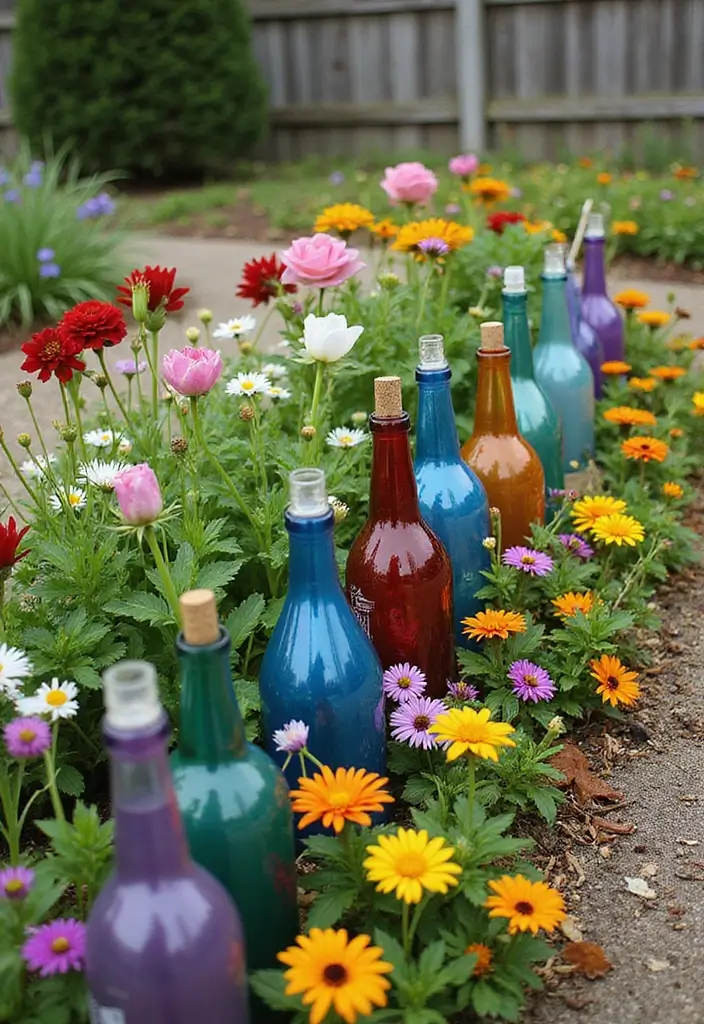
Give your garden a quirky, eco-friendly flair with upcycled glass bottles as edging.
Simply bury the neck of the bottles into the ground to create a colorful, mesmerizing border around your flower bed.
This unique design not only showcases creativity but also promotes recycling.
Choose a variety of colors and sizes for an eye-catching effect.
Tip: Ensure the glass bottles are secure and avoid sharp edges to keep your garden safe for kids and pets.
9. Steel Edging
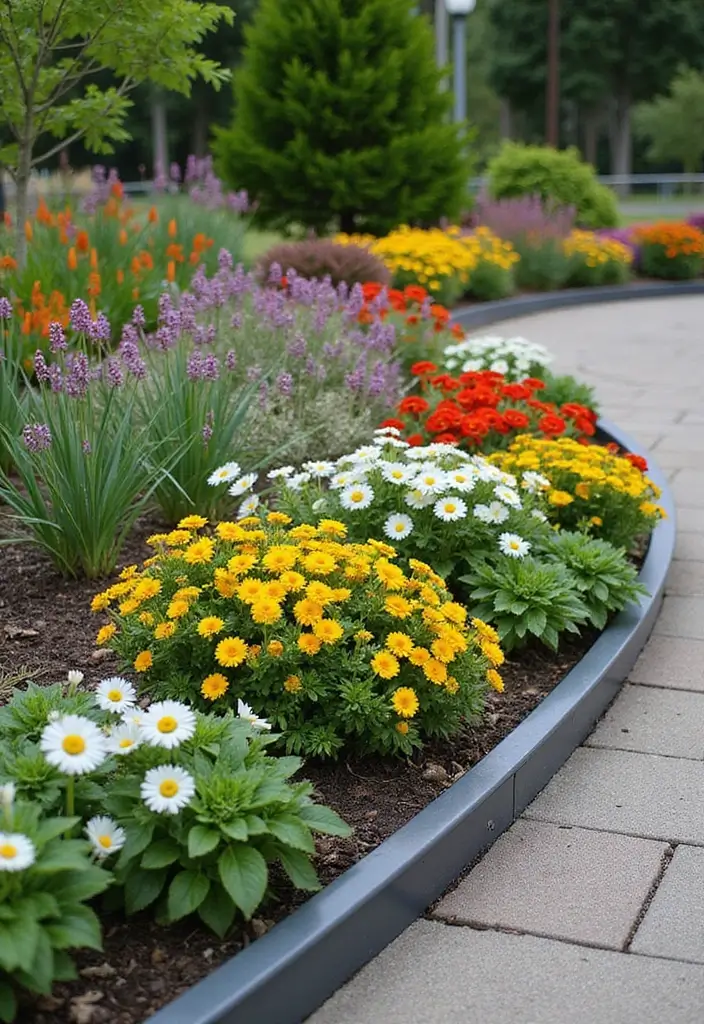
For a contemporary and sleek look, steel edging is hard to beat.
This durable material is perfect for creating clean, minimalist borders that can withstand weather extremes.
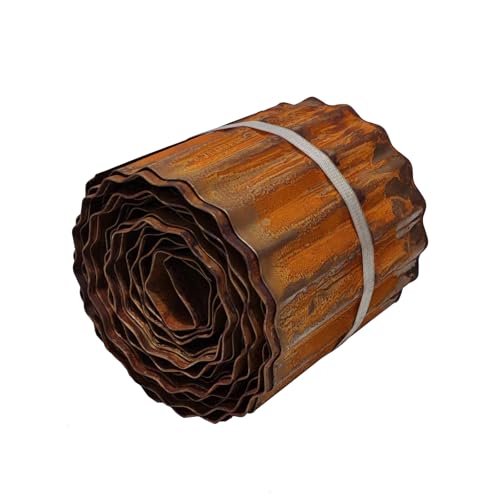
It can be bent into shapes, allowing you to create flowing lines or sharp angles to fit your design vision.
You can opt for a rusted finish for a rustic look or a polished finish for a more modern vibe.
Insight: With proper care, steel edging can last for several seasons, making it a smart investment for your garden.


10. Tile Edging
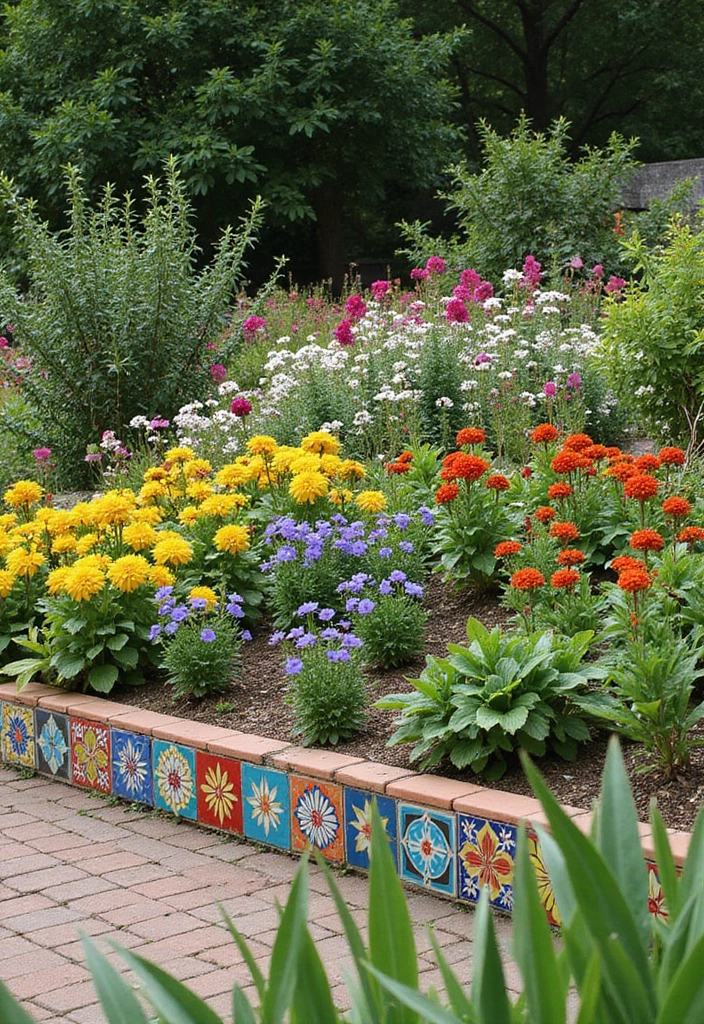
If you’re looking for something colorful and artistic, consider using tiles for your flower bed edging.
Ceramic or mosaic tiles can add a touch of personality to your garden, letting you express your unique style.
You can create a traditional look with classic patterns or go abstract with modern designs.
This option is also a great way to use leftover tiles from home projects.
Tip: Use an adhesive to secure the tiles in place and prevent them from shifting over time.
11. Fence Panel Edging
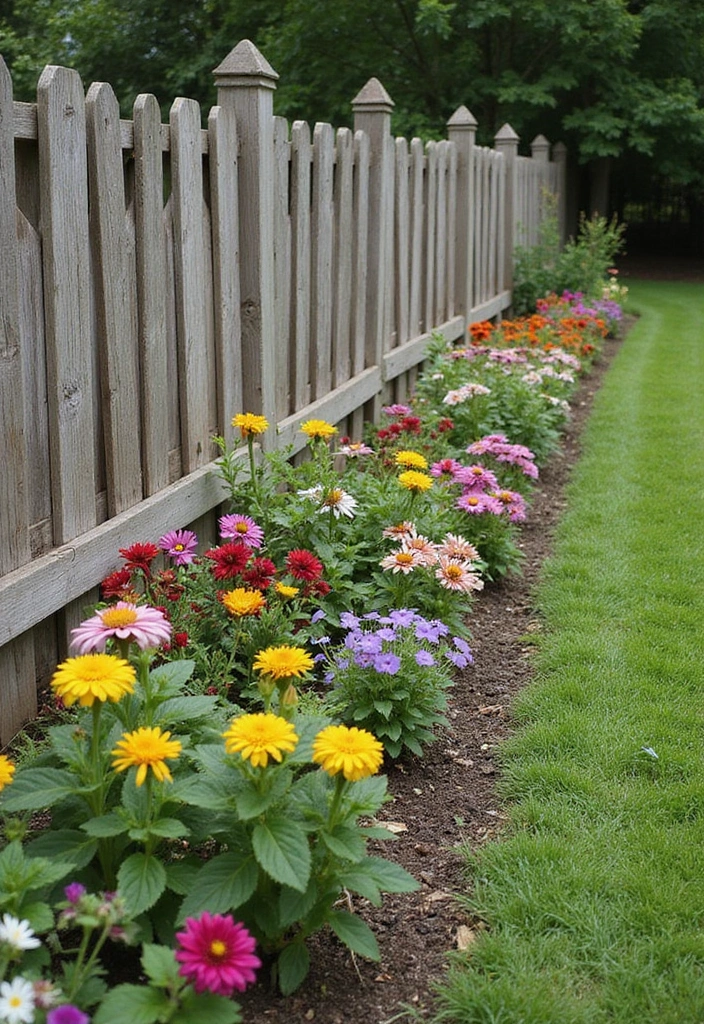
Old fence panels can be repurposed into fantastic flower bed borders.
This option highlights sustainability while providing a sturdy and rustic look.
You can cut the panels to size and arrange them in a way that suits your garden layout.
For an even more appealing look, consider painting or staining the wood to match your color scheme.
Tip: By leaving some panels taller, you can add vertical dimension to your flower bed, making your garden visually interesting.


12. Bamboo Edging
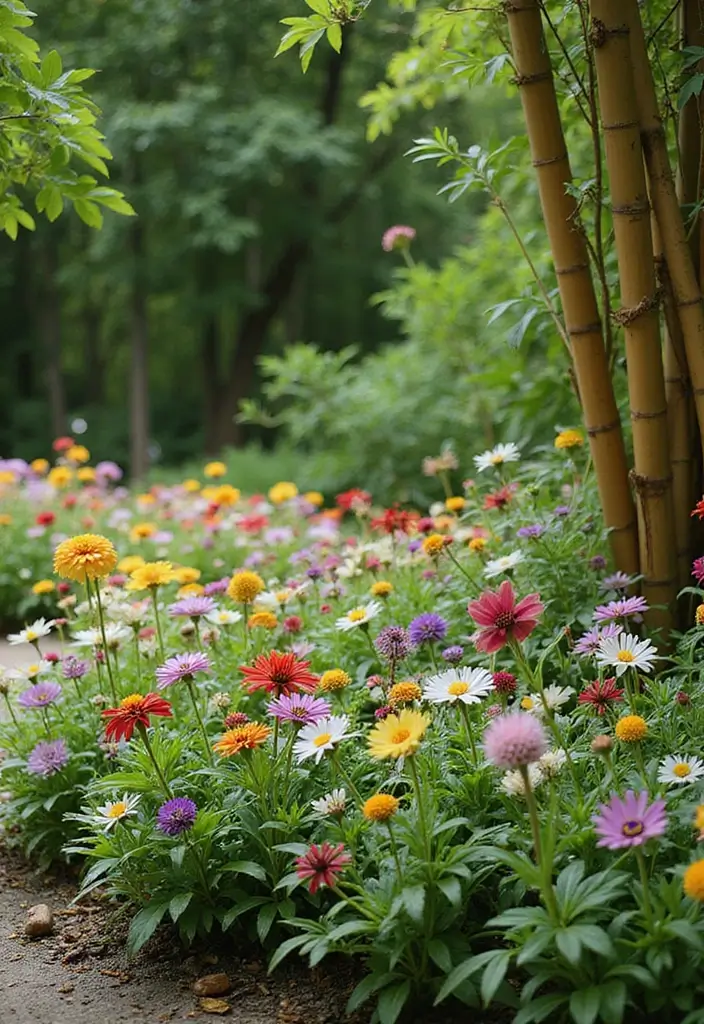
Bamboo provides a lightweight and eco-friendly edging solution for your flower beds.
This natural material blends well with a wide variety of plants.
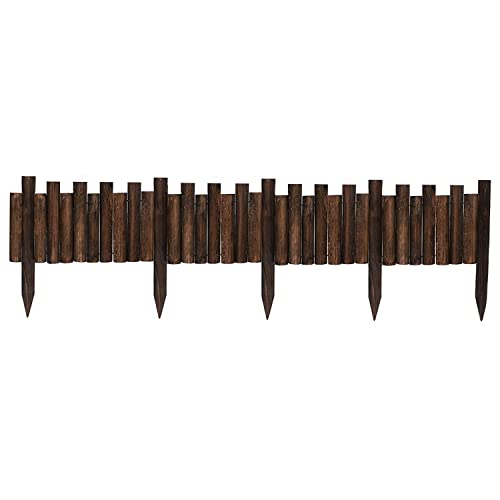
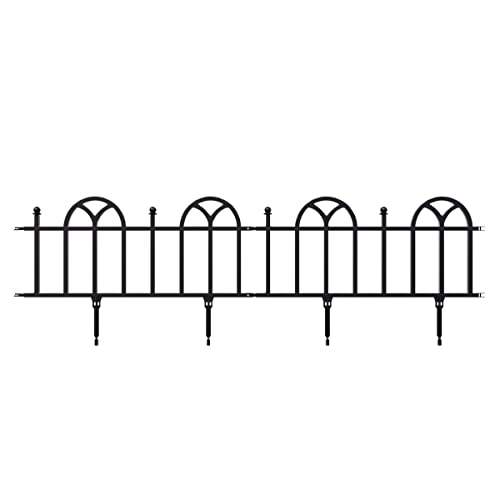
You can stake bamboo poles vertically into the ground for a decorative fence look or lay them flat for a unique border.
Their natural color can complement any plant palette, and bamboo is a sustainable choice that grows rapidly.
Tip: Treat the bamboo with a natural preservative to extend its life in the garden.
13. Paver Stone Edging
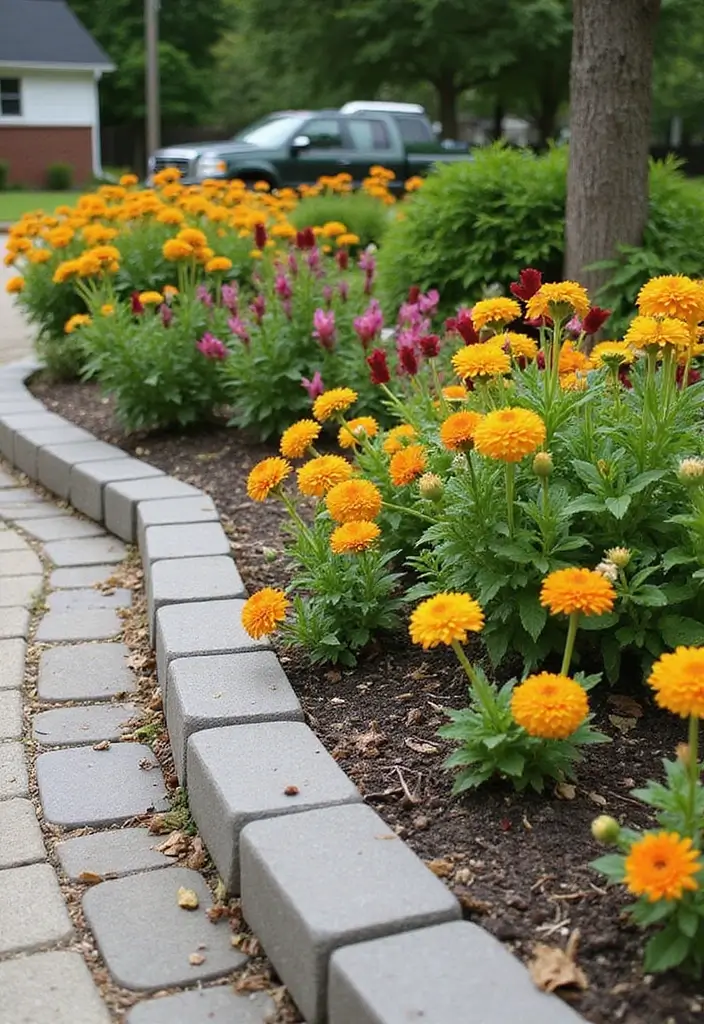
Paver stones are another durable and stylish option for flower bed edging.
These can be arranged in various patterns, allowing you to customize the look of your garden.
You can create a uniform edge that compliments your walkway or a staggered design for a more relaxed appearance.
The choices of colors and textures available can help you achieve the desired aesthetic.
Tip: Ensure the soil is compacted before laying the pavers to avoid shifting over time.

14. Vintage Suitcase Borders
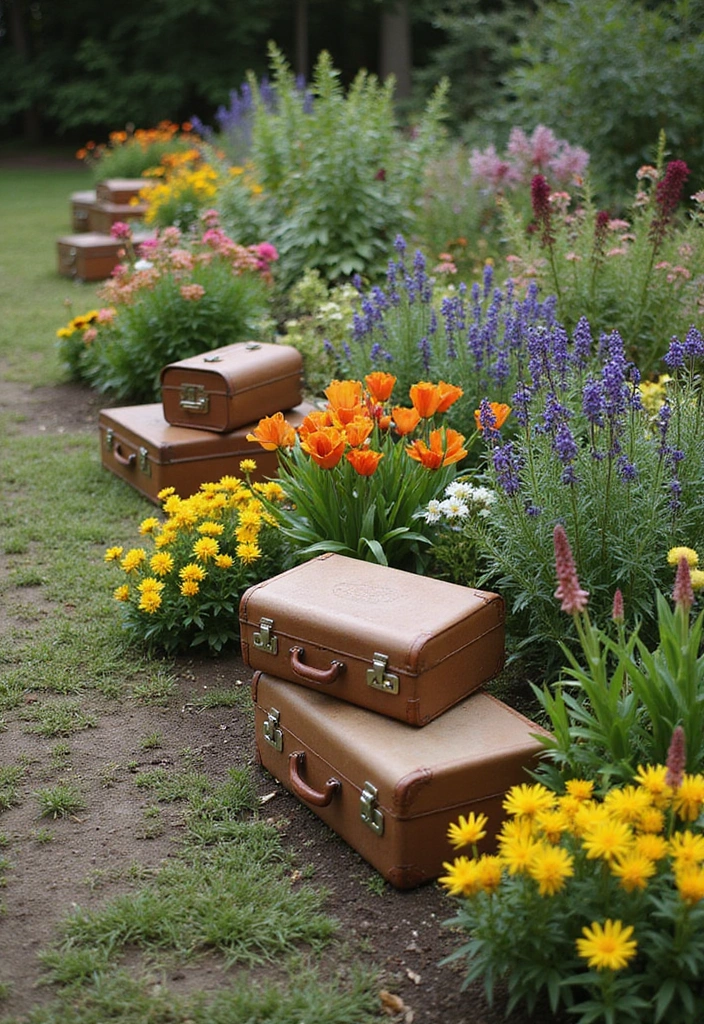
For a fun and unconventional look, use vintage suitcases as flower bed borders.
This idea is magical, especially for whimsical gardens, as they add character and charm.
You can plant directly in the suitcase or use it to define the edges.
Layering different sizes and colors can create a unique focal point in your garden.
Tip: Consider lining the inside with a water-resistant material to protect the suitcase and keep your flowers thriving.
15. Shell Edging
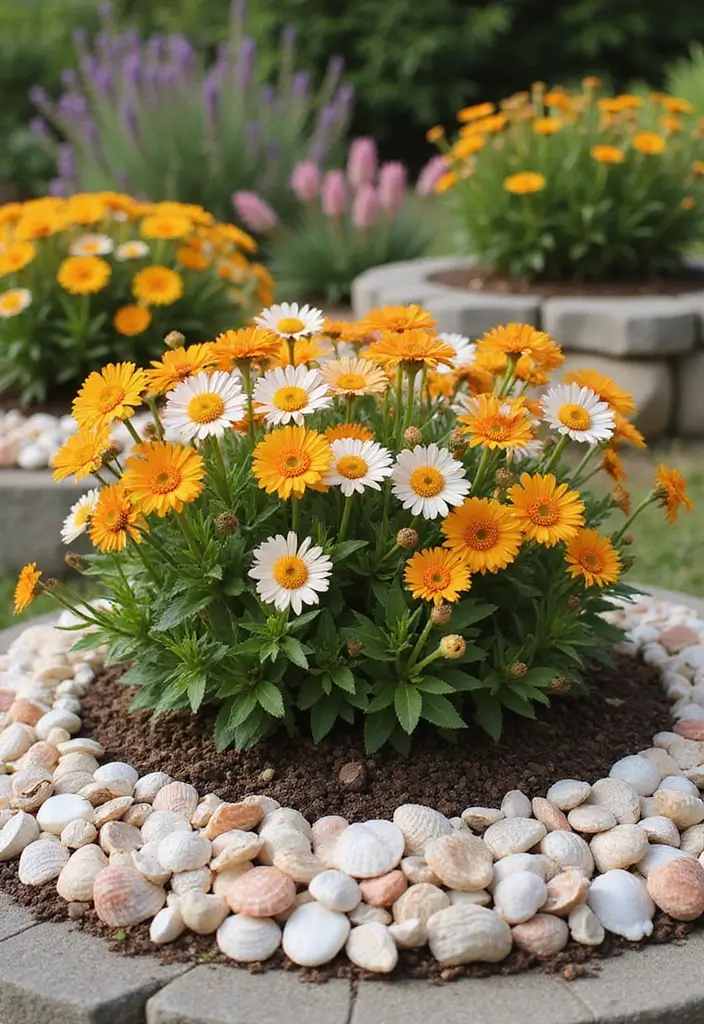
If you’re near the coast or simply love a beachy vibe, shell edging is a delightful option.
Using seashells as bordering creates a unique and natural look.
You can create a ‘beach’ feel by arranging larger shells at the base and smaller ones on top.
This type of edging looks fantastic against bright flowers and greens.
Insight: Be sure to clean the shells well to prevent any unwanted odors in your garden.
Bring a piece of the beach to your garden! 🌊 Shell edging not only defines your flower beds but also adds a unique, eco-friendly touch. Just remember, clean those shells for a fresh, inviting vibe!

16. Stone Mulch Edging
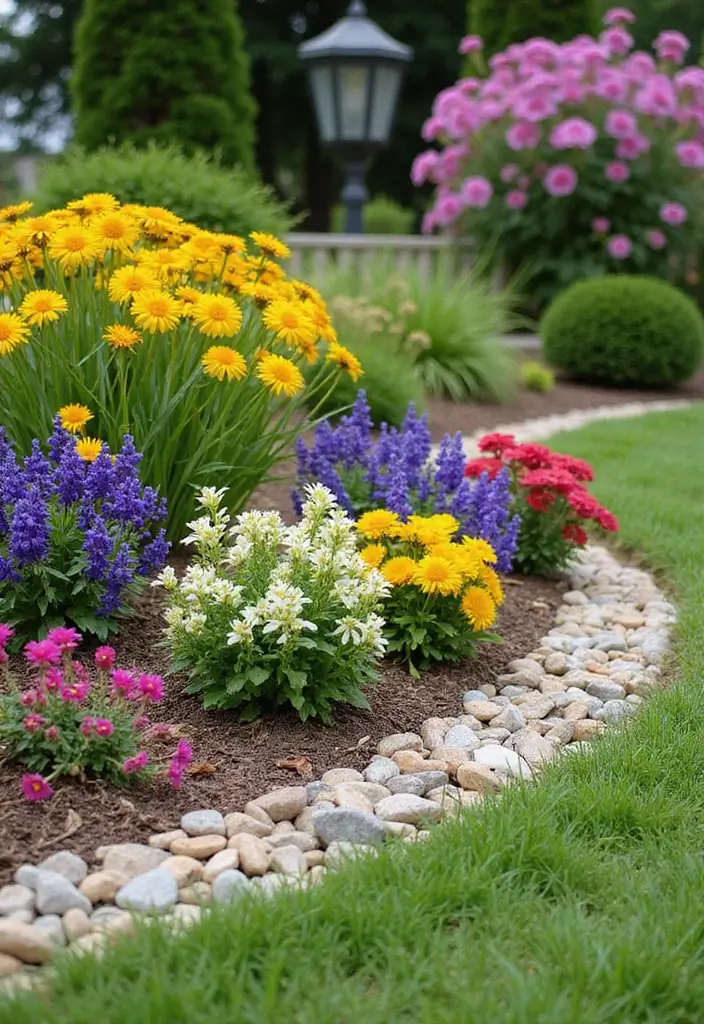
Stone mulch can serve as both a decorative element and a functional border for your flower beds.
Using larger stones or pebbles adds texture to your space and helps retain moisture in the soil.
The stones can be laid out around your flowers, creating a natural look that blends with the environment.
Consider mixing different sizes and colors for a more dynamic edge.
Tip: Lay down landscaping fabric first to control weeds while allowing for good drainage.

17. Twigs and Branches
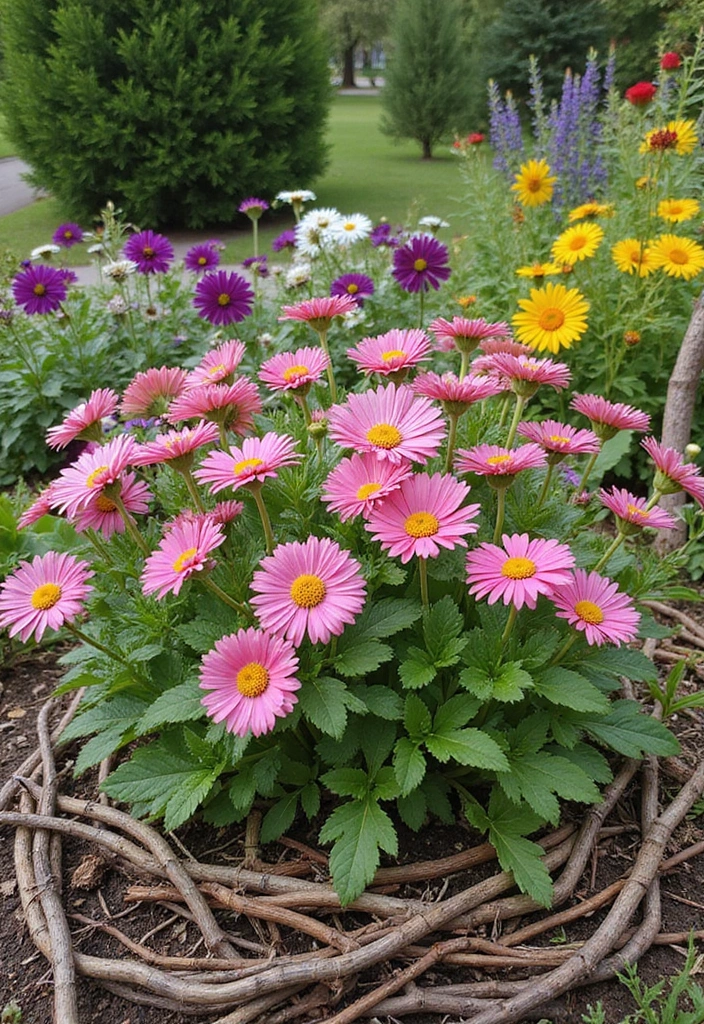
Using twigs or small branches as a rustic edging option adds a charming, natural element to your garden.
Gather fallen branches or pruned twigs and arrange them vertically or horizontally to define your flower beds.
This eco-friendly method can be particularly appealing in wild gardens or areas aiming for a more unrefined look.
You can also weave the twigs together for a unique fence-like effect.
Tip: To extend the life of the twigs, coat them with an eco-friendly wood preservative.
18. Old Tires
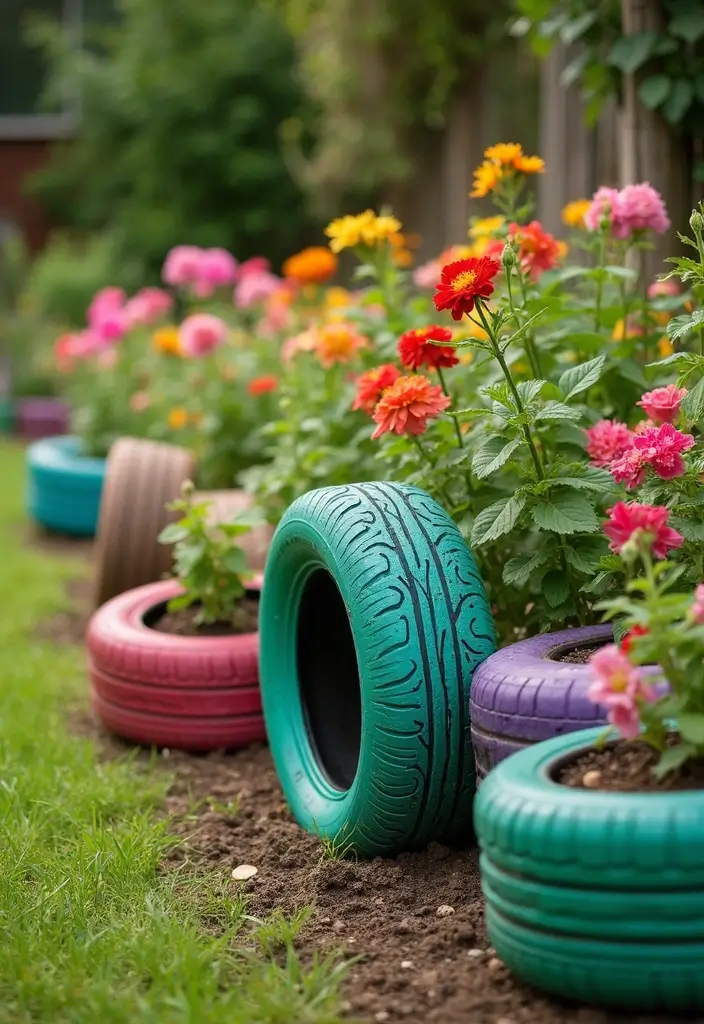
Transforming old tires into flower bed edging is an innovative and eco-conscious way to define your garden space.
You can cut the tires to various shapes or simply leave them whole, painting them in bright colors for a playful edge.
This approach not only promotes recycling but also provides a unique visual appeal.
Consider filling the tires with soil and planting directly into them for an extra layer of interest.
Tip: Ensure the tires are free from harmful chemicals before using them in your garden.
19. Pallet Edging
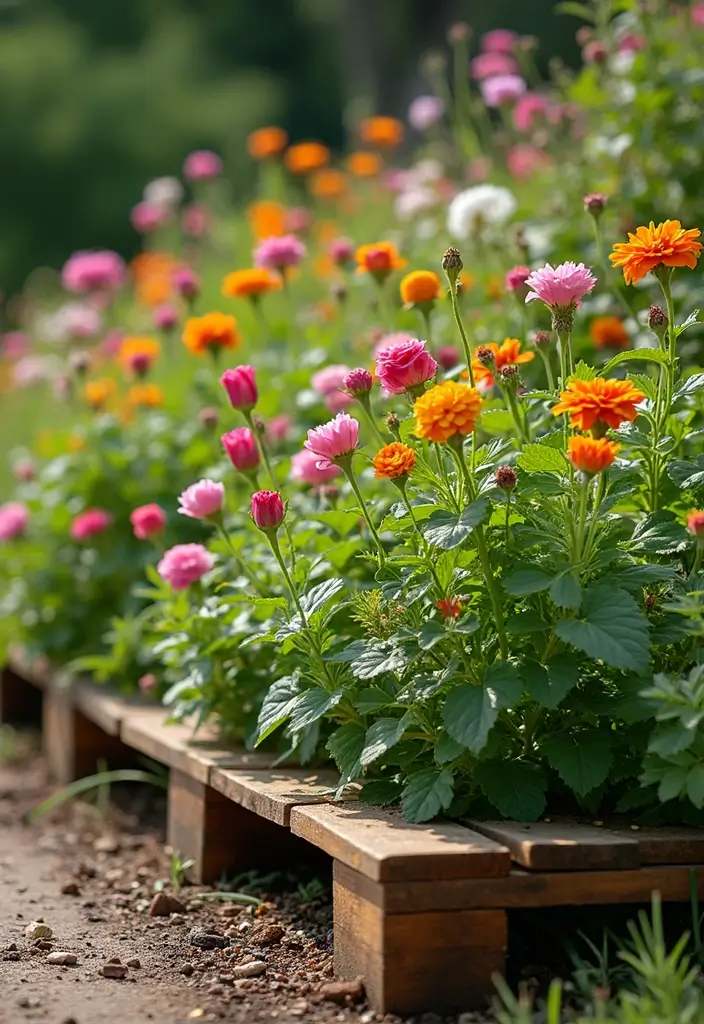
Utilizing old pallets as flower bed edging can add a rustic and functional border to your garden.
Cut the pallets to the desired size and arrange them around your flower beds for a unique look.
You can also use the pallets for vertical gardening by securing it upright behind the flowers.
Consider staining or painting the wood to fit your desired aesthetic.
Tip: Ensure the pallets are heat-treated rather than chemically treated to keep your plants safe.
20. Natural Mulch Rings
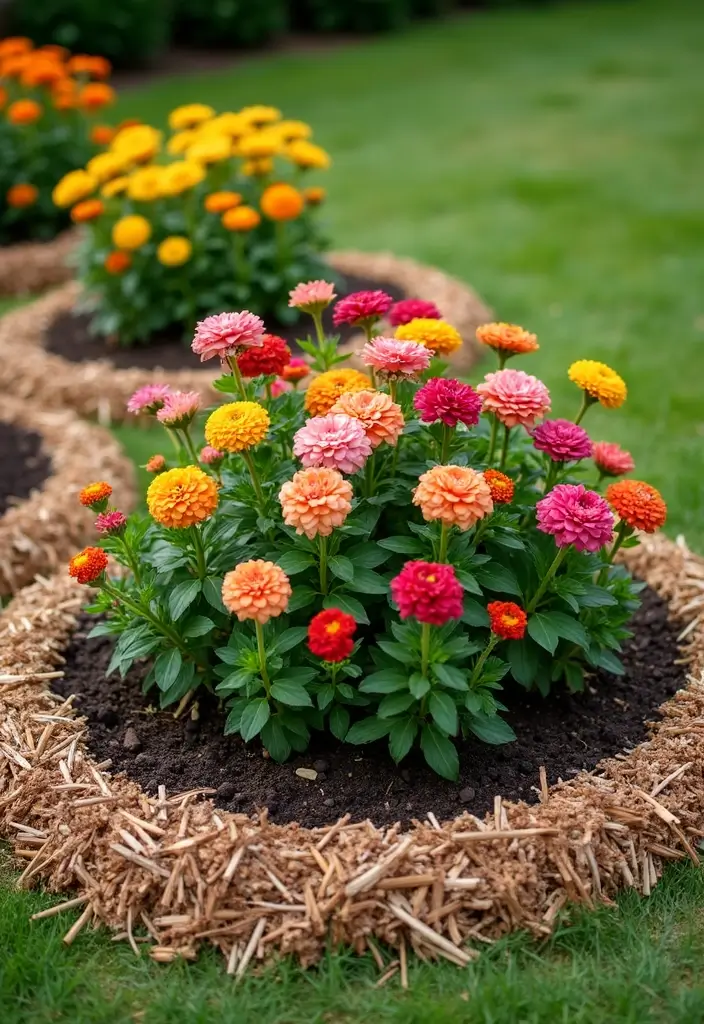
Natural mulch rings serve as both edging and a way to retain moisture for your flowers.
You can create these rings by piling mulch or wood chips around the base of your plants.
This not only defines your flower bed but enhances the overall health of your plants by preventing weed growth.
Choose organic mulch for an eco-friendly and sustainable approach.
Tip: Refresh the mulch rings yearly for continued effectiveness and aesthetic appeal.
21. Rock Garden Edging
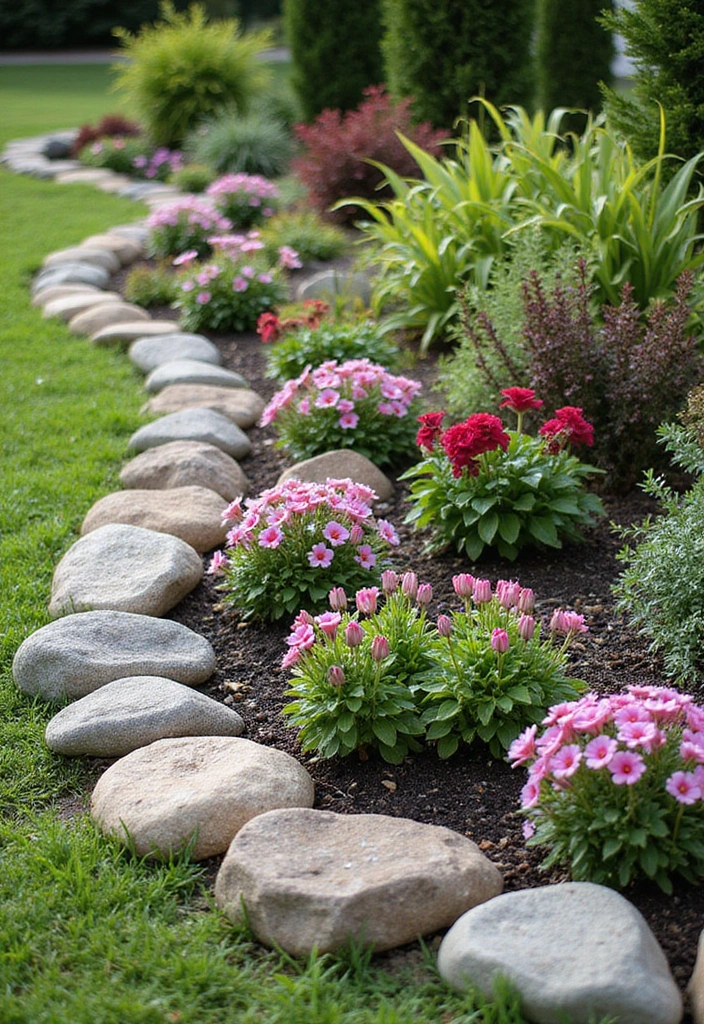
Creating a rock garden design can double as an effective edging solution for your flower beds.
Using larger rocks and stones allows you to craft a natural-looking boundary that fits beautifully with your landscaping.
You can leave spaces for flowers to protrude between the rocks, bringing texture and visual interest to your flower bed.
Incorporating a variety of stone sizes can create a more dynamic and visually appealing edge.
Tip: Use drought-resistant plants alongside your rock border for a low-maintenance display.
22. Concrete Block Edging
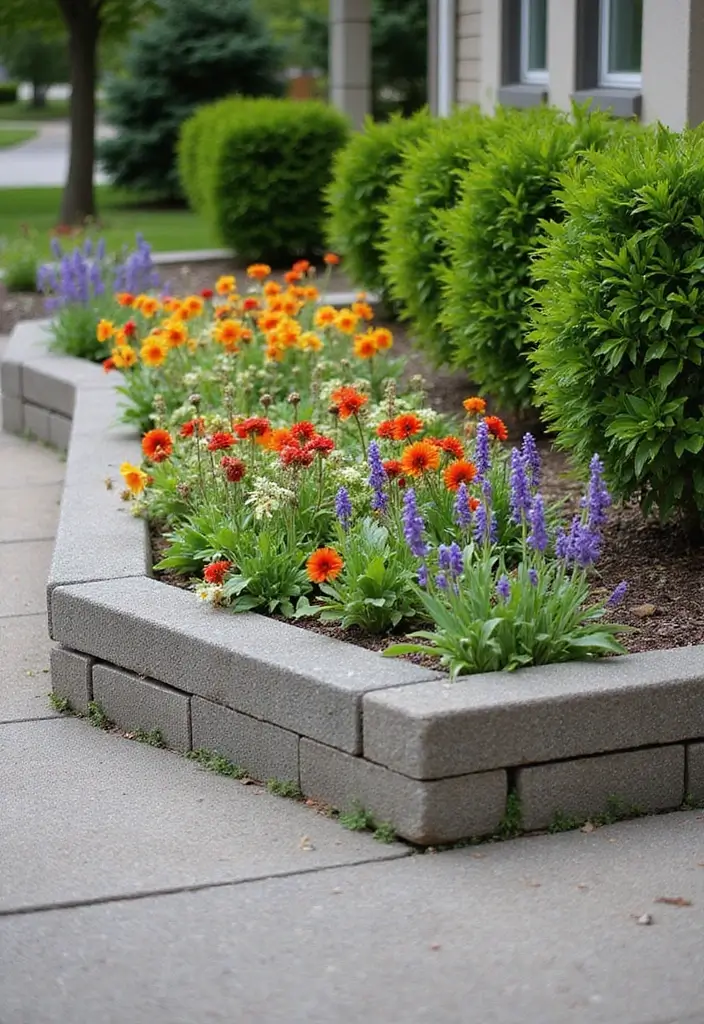
Concrete blocks are sturdy and versatile, providing a modern touch to your flower beds.
You can stack them to create varying heights or arrange them in a simple line.
These blocks can also be painted or adorned to match the theme of your garden.
Consider using hollow blocks to plant succulents or herbs for an added layer of interest.
Tip: Ensure that your blocks are positioned level to maintain a neat appearance.
Concrete block edging not only defines your flower beds but also invites creativity—stack, paint, or even plant! Elevate your garden’s personality with this eco-friendly choice.
23. Recycled Timber Edging
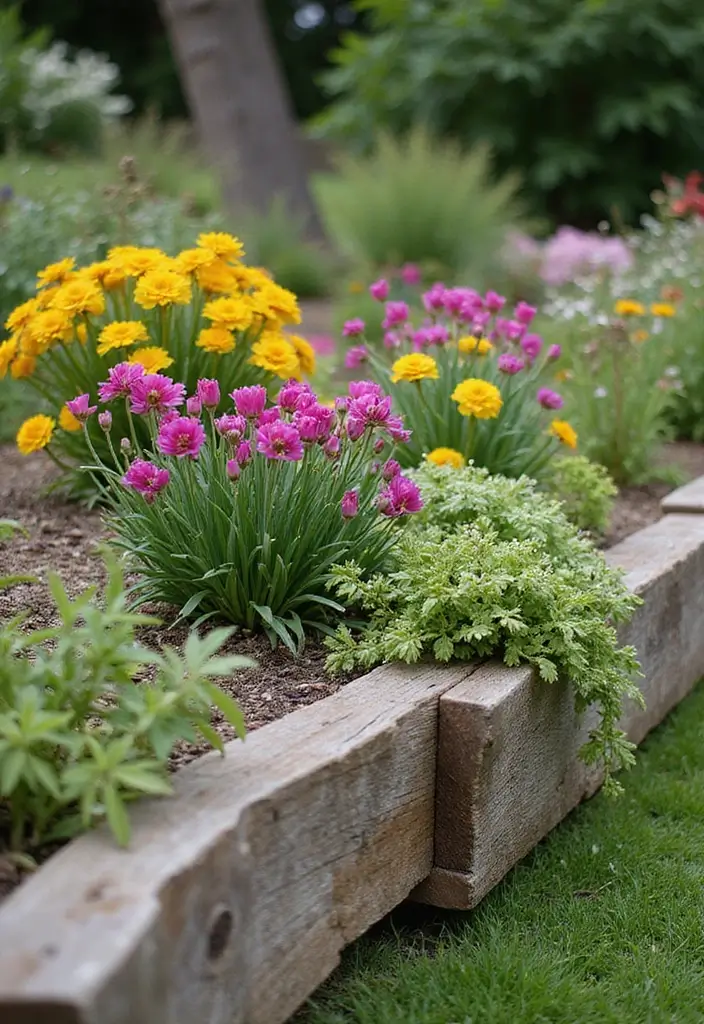
Recycled timber is an excellent eco-friendly option that adds warmth to your flower beds.
Using timber from old fences or decking, you can create a charming border that helps retain soil and moisture.
Consider cutting the timber into different lengths for a more visually dynamic edge.
You can leave the timber natural or stain it to enhance its durability.
Tip: Ensure the wood is untreated to prevent leaching harmful chemicals into the soil.
24. Living Wall Edging
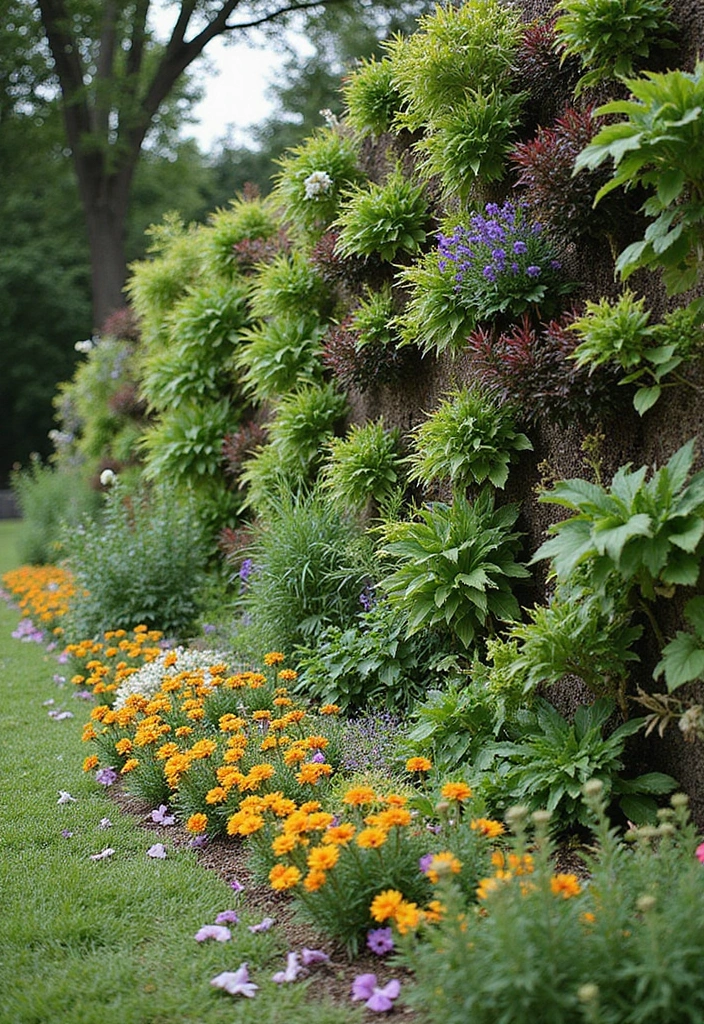
For a truly unique approach to flower bed edging, consider creating a living wall.
This technique involves planting vertical gardens that act as borders while providing lush greenery and blooms.
You can use various plants, including trailing vines or wall succulents, to create a stunning vertical display.
Living walls not only define spaces but also contribute positively to the environment by improving air quality.
Insight: This option may require more maintenance, so choose plants that fit your gardening style.
25. Edible Borders
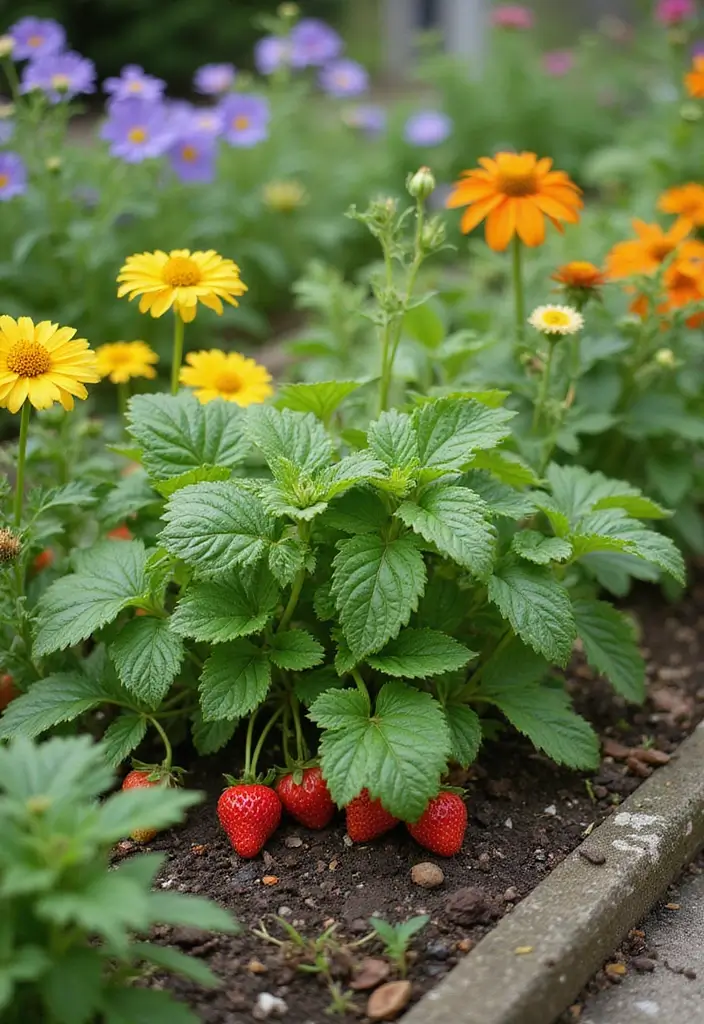
For a practical yet beautiful approach, consider edible borders for your flower beds.
Using herbs or vegetables to create a border not only defines the space but provides fresh ingredients for your kitchen.
Basil, chives, or even strawberries can create a delightful edge that’s functional and attractive.
This method promotes sustainability as you grow your food while enjoying the vibrant colors of flowers.
Tip: Plant taller herbs towards the back and smaller ones in front for a layered look that’s also easy to harvest.
26. Herringbone Brick Pattern
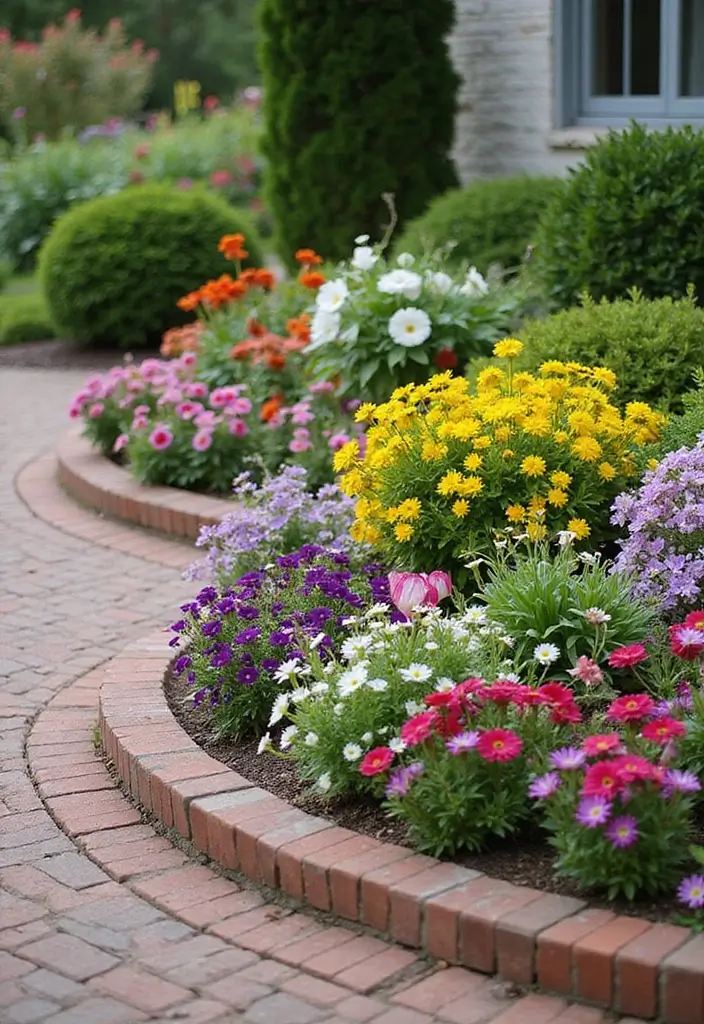
Elevate your flower bed with a herringbone pattern using bricks as edging.
This classic pattern adds sophistication while defining your garden space with a creative twist.
By alternating the direction of the bricks, you create visual interest that complements your flowers beautifully.
This design works particularly well with vibrant colored flowers that pop against the brick.
Tip: Use sand or gravel to settle the bricks in place for a sturdy and long-lasting edge.

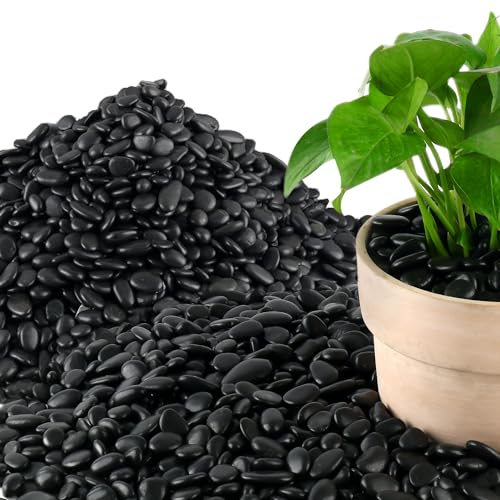
![CFKJ [18 Pounds] Aquarium Gravel River Rock, Natural Polished Decorative](https://m.media-amazon.com/images/I/51ylxh8QmCL._SL500_.jpg)


27. Upcycled Fence Boards
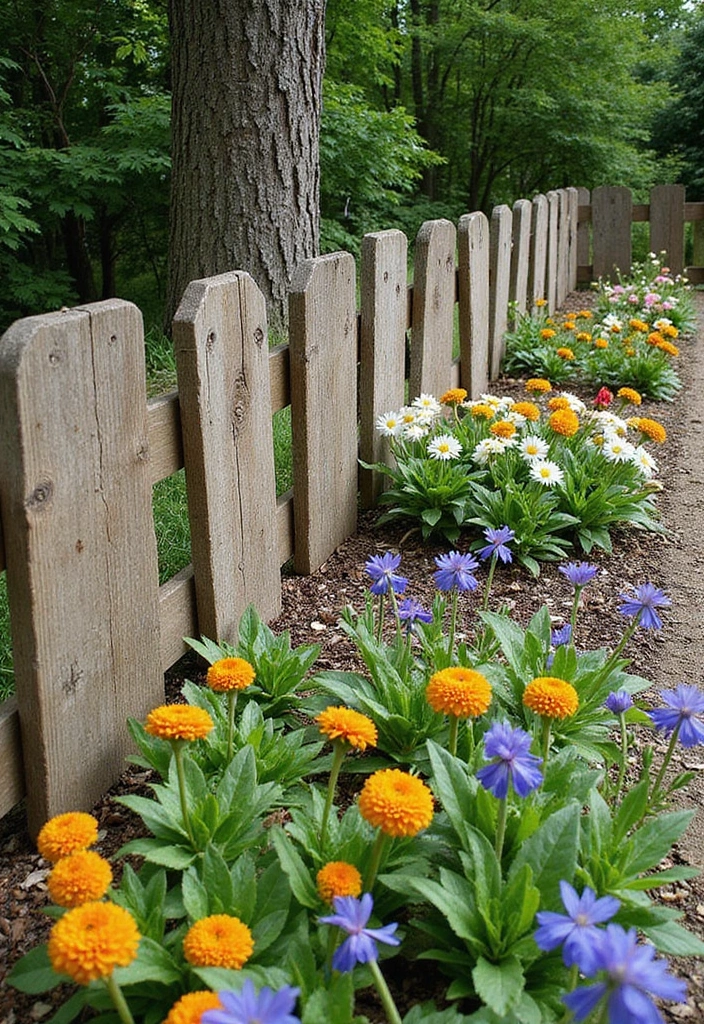
Turn upcycled fence boards into an appealing edging option for your flower bed.
This method not only reduces waste but gives your garden a rustic touch.
You can cut the boards to your desired length and arrange them vertically for a fence-like look or lay them flat for a more seamless edge.
Consider painting the boards for a pop of color that matches your flowers.
Tip: Use a protective sealant to enhance the longevity of the wood in your garden.
Upcycling fence boards into flower bed edging not only reduces waste but adds charm to your garden! Embrace creativity and give your outdoor space a rustic flair while being eco-friendly.

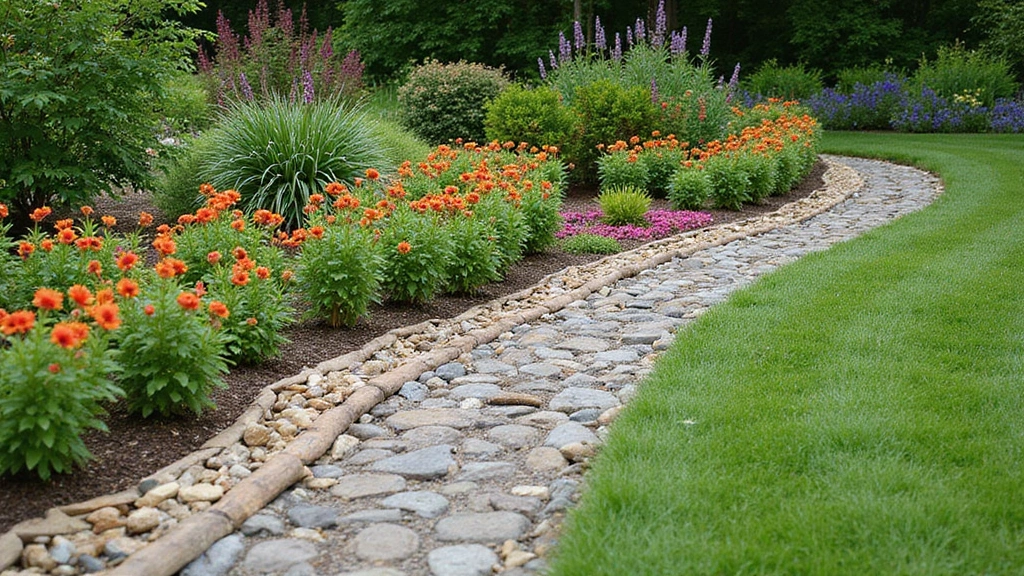
28. Curved Stone Edging
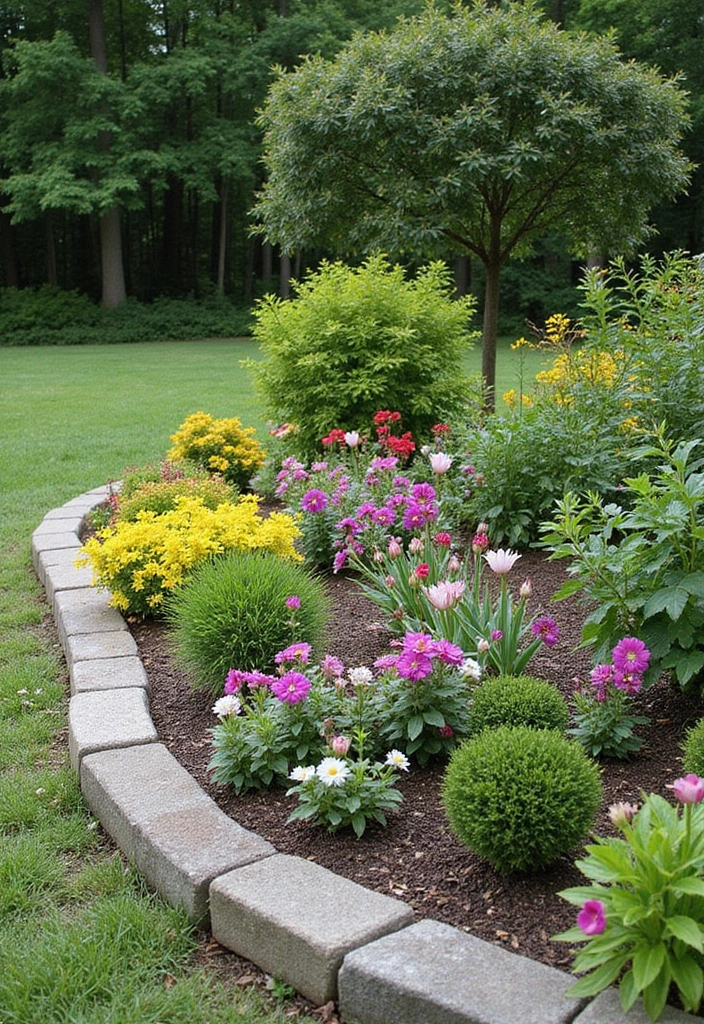
Curved stone edging offers a relaxed and organic feel to your flower beds.
This method allows for fluidity in design, creating gentle curves that guide the eye throughout your garden.
Using larger stones for the border adds texture while maintaining an inviting atmosphere.
Consider alternating the types of stones for added visual intrigue.
Insight: Curved edges can make smaller spaces feel larger, a perfect trick for compact gardens.
29. Floating Edging
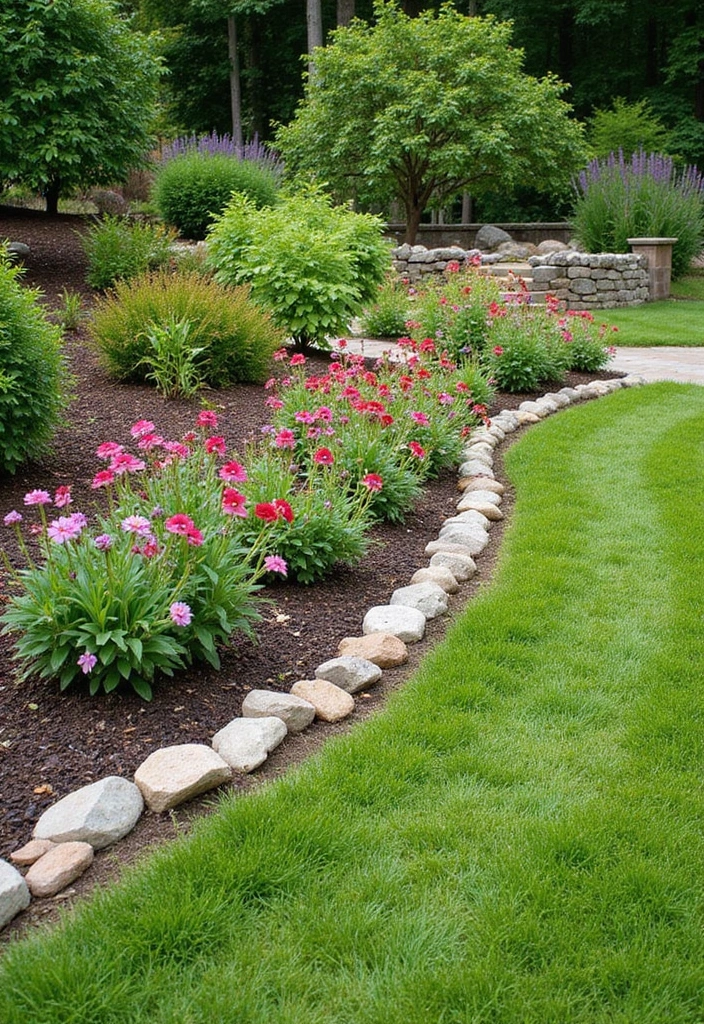
Floating edging involves using materials that create an illusion of separation without a defined border.
You can achieve this by using wooden logs or stones that are partially buried, giving the appearance of a natural transition.
This technique is perfect for gardens that aim for a more free-flowing aesthetic.
Flowers can spill over the edges, creating a beautiful blend of colors.
Tip: Use natural materials that blend seamlessly with your garden for the best effect.
30. Seasonal Edging
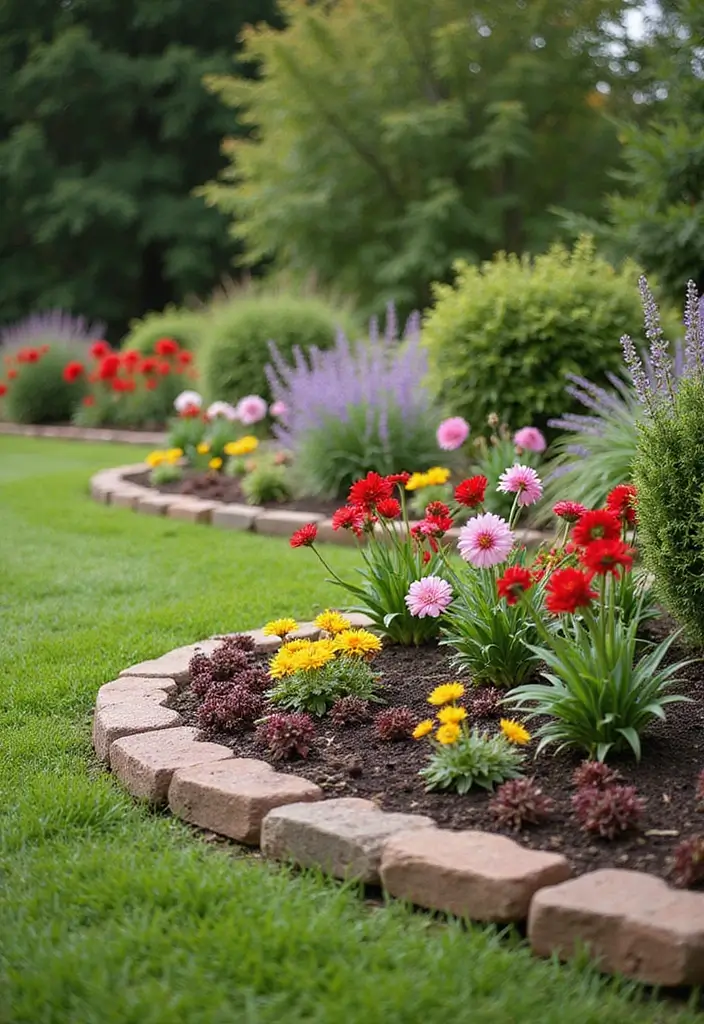
Create seasonal flower bed edging by using plants that bloom at different times of the year.
This approach allows you to redefine your garden’s borders as the seasons change, keeping it fresh and visually appealing.
Consider using spring bulbs, summer perennials, and fall foliage plants to create a dynamic edge.
This method not only adds color but also attracts diverse pollinators throughout the year.
Tip: Plan your planting schedules to ensure a seamless transition of colors and textures.
Conclusion
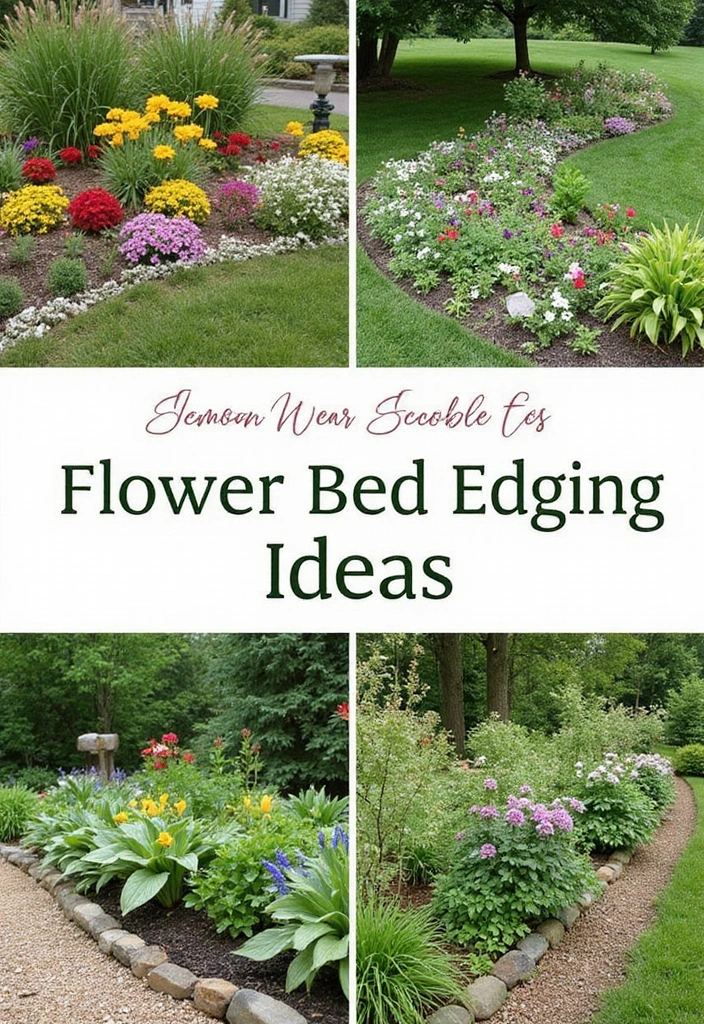
With these 30+ flower bed edging ideas, you now have a plethora of options to elevate your garden’s beauty and functionality.
Choosing sustainable, eco-friendly materials not only enhances your outdoor space but also enriches the environment.
As you experiment with these diverse edging styles, let your creativity flow, and don’t shy away from mixing and matching to find what fits your garden best!
Frequently Asked Questions
What are some eco-friendly materials I can use for flower bed edging?
There are plenty of eco-friendly materials you can use for flower bed edging! Consider options like recycled bricks, natural stones, or even upcycled glass bottles. These materials not only enhance the beauty of your garden but also promote sustainability by reusing existing resources.
Additionally, wooden edging made from reclaimed wood or bamboo can add a warm touch while being gentle on the environment.
How can I incorporate living plants into my flower bed edging?
Incorporating living plants into your flower bed edging is a fantastic way to create a natural border! You can choose low-growing plants like lavender, rosemary, or even sedums to form a beautiful and functional edge.
These plants not only add visual interest but can also provide fragrance and attract beneficial pollinators to your garden!
What are the benefits of using gravel as flower bed edging?
Using gravel for flower bed edging is a versatile and eco-friendly option. It creates clean lines, improves drainage, and adds texture to your garden space. Plus, gravel comes in various colors and sizes, allowing you to customize your garden’s look.
It’s also low-maintenance, as it doesn’t require frequent replacement, making it a practical choice for busy gardeners.
Can I use edible plants for flower bed borders?
Absolutely! Using edible plants as flower bed borders is a creative and practical approach to gardening. Herbs like basil or thyme, or even vegetables like chard or lettuce, can create a beautiful and functional border.
This way, you not only define your garden space but also have fresh ingredients at your fingertips, making your garden as productive as it is beautiful!
What are some unique ideas for flower bed edging?
If you’re looking for unique flower bed edging ideas, consider using vintage suitcases or old tires! These unconventional materials can add a whimsical touch to your garden. You can also try using shell edging for a coastal vibe or create a curved stone edging for a more organic feel.
These creative options not only stand out but also emphasize the eco-friendly theme of repurposing materials!